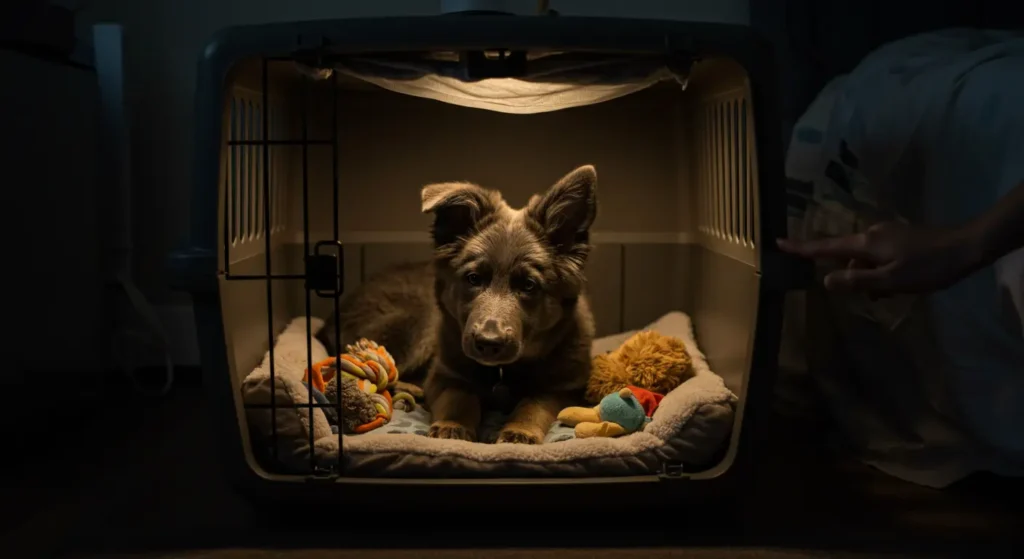

Cavapoo vs Cockapoo for apartment living is one of the most common comparisons for first-time dog owners. While both breeds can adapt well to smaller homes, their size, energy levels, barking habits and daily exercise needs can make one a better fit for your apartment lifestyle.
But here’s the thing. They’re not the same dog with a different name.
Depending on your noise tolerance, work schedule, building rules, and how much daily walking you actually want to do, one of these mixes can feel like a dream, and the other can quietly turn your apartment life into a daily management project.
So let’s break it down in a practical, apartment-first way.
Cavapoo vs Cockapoo for Apartment Living
When comparing Cavapoo vs Cockapoo for apartment living, Cavapoos are generally the better choice because they are usually calmer, quieter and easier to settle indoors. Cockapoos can also thrive in apartments but often need more exercise, mental stimulation and structured routines to stay happy.
Quick snapshot: Cavapoo vs Cockapoo (apartment edition)
Pick a Cavapoo if you want:
- A typically calmer, more “lap-dog” vibe
- A smaller dog on average (easier in elevators, hallways, and tight spaces)
- A dog that’s often more content with moderate exercise
- A generally softer energy level, especially as an adult
Pick a Cockapoo if you want:
- A more energetic, playful, “let’s go” personality
- A dog that often handles alone-time a bit better (not always, but commonly)
- A dog that can keep up with a more active lifestyle
- A slightly sturdier feel (often) for people who want a small dog that’s not too delicate
Now let’s go deeper, because apartment living is all about the details.
1) Size and space: Which one fits apartment life better?
Cavapoo size (typical)
Cavapoos are a mix of Cavalier King Charles Spaniel + Poodle (Toy or Mini usually). Because Cavaliers are small and cuddly by nature, Cavapoos often land in the smaller range.
In real apartment life, that usually means:
- Easier to carry if needed
- Less “body mass” crashing into furniture during zoomies
- More comfortable in tight spaces like studio apartments
Cockapoo size (typical)
Cockapoos are Cocker Spaniel + Poodle (Toy, Mini, or Standard Poodle, depending on breeder). And this is where apartment buyers sometimes get surprised.
Cockapoos can range a lot more. Some are compact. Others are noticeably bigger and more athletic.
Apartment impact:
A bigger Cockapoo can still be apartment-friendly, but you’ll need to commit more to daily exercise
In elevators and narrow hallways, a larger, excited dog can be harder to manage
One owner mentioned in this Reddit thread about doodles in apartments that their Cockapoo grew larger than expected and required much stricter exercise and leash control indoors than they initially planned.
Apartment takeaway: If you want the safer “small dog” bet, Cavapoo often wins on size consistency. With Cockapoos, you really need to confirm expected adult size.
2) Energy levels: who’s easier to live with on the 5th floor?
Let’s talk about the thing that makes or breaks apartment dog ownership: energy management.
Cavapoo energy
Most Cavapoos are playful, but many lean toward a calmer companion style. They tend to enjoy:
- A couple of walks
- Some indoor play
- Then a lot of “hang out near my person” time
They can still get bursts of energy, but many owners describe them as easier to settle.
Cockapoo energy
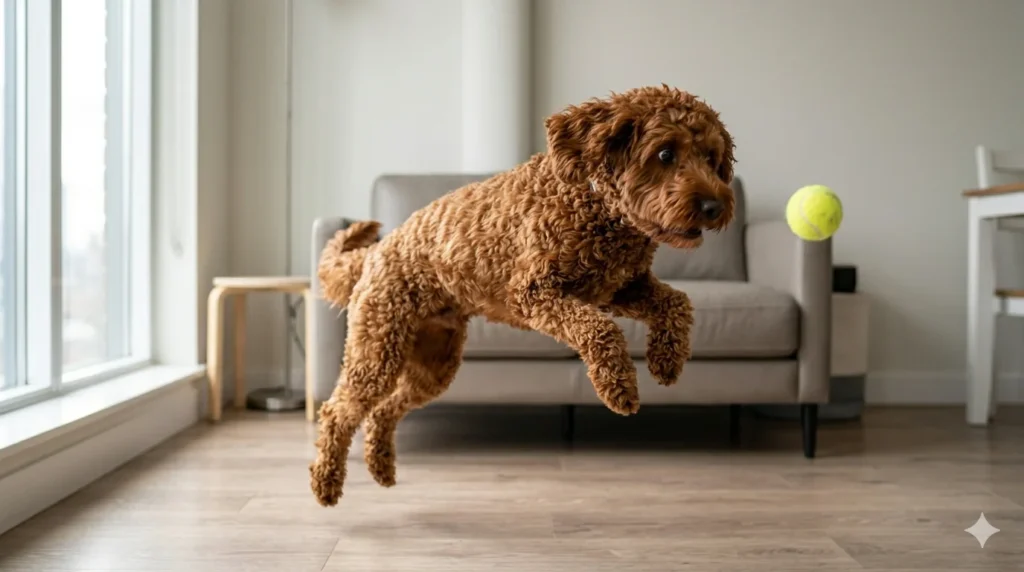
Cockapoos often bring more consistent “busy dog” energy. Cocker Spaniels can be lively and Poodles are smart and active, so you can end up with a dog that:
- Wants more structured activity
- Gets bored faster
- Invents their own entertainment if under-stimulated
That entertainment can be cute, or it can be loud.
Apartment takeaway: If you want a dog that’s often easier to chill with after moderate exercise, Cavapoo has an edge. If you want a more active, playful buddy and you’ll actually follow through on daily enrichment, Cockapoo can be amazing.
3) Barking and noise: The #1 apartment complaint
Most apartment problems with dogs come down to one thing: noise.
And with doodle mixes, barking can show up for a few reasons:
- Alert barking at hallway sounds
- Boredom barking
- Separation barking
- Demand barking
Cavapoo barking tendencies
Cavapoos can be alert barkers, but many are more people-focused and less “on guard.” The bigger risk is separation-related vocalizing if they’re very attached.
Cockapoo barking tendencies
Cockapoos can be more vocal, especially if:
- They have high energy and aren’t exercised enough
- They get excited by every sound outside the door
- They’re under-stimulated mentally
In this Reddit discussion about apartment dog barking, several owners pointed out that higher-energy mixes became significantly noisier when mental stimulation was lacking, even if their physical exercise seemed “enough.”
Apartment takeaway: If your walls are thin, Cavapoo is often easier to manage for noise, while Cockapoos require more proactive structure to stay quiet.
4) Separation anxiety and alone time
If you work outside the home, this section matters a lot.

Cavapoo: higher cling potential
Many Cavapoos inherit that “always near you” trait. In apartments, this can turn into:
- Whining when you leave
- Barking when you’re gone
- Stress behaviors
Cockapoo: often more independent
Cockapoos can still struggle, but many do better if they have:
- Proper exercise
- Structured routines
- Enrichment
Apartment takeaway:
- Long work hours → Cockapoo (with structure)
- Work from home → Cavapoo thrives
5) Trainability
Cavapoos often feel easier because they are highly people-focused.
Cockapoos are extremely trainable but need variety and engagement.
Apartment takeaway:
- Cavapoo = easier learning curve
- Cockapoo = higher mental needs
6) Exercise needs
Cavapoo:
20–40 minutes + play
Cockapoo:
45–90 minutes + mental work
Apartment takeaway:
Miss a day:
- Cavapoo → mild restlessness
- Cockapoo → noticeable behavior issues
7) Grooming in an apartment
Both require heavy grooming maintenance.
Apartment reality:
Hair and mess show up faster
Bathing is harder
Professional grooming is necessary
Apartment takeaway: Grooming is equal work for both.
8) Temperament with neighbors
Cavapoo: calm, gentle, affectionate
Cockapoo: playful, social, energetic
Apartment takeaway:
- Cavapoo = quieter, calmer vibe
- Cockapoo = fun but needs structure
9) Health considerations
Cavapoo: Heart concerns (Cavalier side)
Cockapoo: Ear infections, skin issues
Apartment takeaway: Health impacts daily comfort and management, not just lifespan.
10) The real apartment winner depends on your lifestyle
Work from home → Cavapoo
Active lifestyle → Cockapoo
Thin walls → Cavapoo
Long work hours → Cockapoo (with support)
First-time owner → Cavapoo
Final Take
If you want the easiest, most apartment-friendly, lower-energy companion → Cavapoo
If you want a more energetic, playful, highly trainable dog and you’ll actually meet those needs → Cockapoo
The biggest mistake is choosing based on looks instead of lifestyle fit.
Because in apartment living, the dog that matches your routine will always feel “easy”… and the one that doesn’t will feel like working every single day.
Pro Tip: A successful apartment dog depends on more than breed alone. Regular exercise, positive training and mental enrichment are essential. For trusted advice, visit the American Kennel Club (AKC), RSPCA, and VCA Animal Hospitals for expert guidance on dog behaviour, apartment living and responsible pet care.
FAQs (Frequently Asked Questions)
Which dog breed is better suited for small apartment living: Cavapoo or Cockapoo?
Cavapoos are generally better suited for small apartment living due to their typically smaller size and calmer, more lap-dog vibe. They are easier to manage in tight spaces like elevators and hallways, making them a safer bet for consistent small size in apartment settings.
How do the energy levels of Cavapoos and Cockapoos differ for apartment owners?
Cavapoos usually have a calmer energy level, enjoying moderate exercise and lots of relaxed time near their owners, which makes them easier to settle in apartments. Cockapoos tend to be more energetic and playful, requiring more structured activity and mental stimulation to prevent boredom and restlessness.
What should apartment dwellers know about barking tendencies in Cavapoos versus Cockapoos?
Both breeds can bark, but Cavapoos are often less vocal and easier to keep quiet with routine training. Cockapoos may bark more due to higher energy levels, excitement from hallway noises, or boredom if under-stimulated. Teaching a ‘go to mat’ behavior for hallway triggers early on helps manage barking effectively.
How do Cavapoos and Cockapoos handle separation anxiety when living in an apartment?
Cavapoos tend to have higher cling potential due to their affectionate Cavalier King Charles Spaniel heritage, which can lead to whining or barking when left alone. Cockapoos often handle alone time better but still require proper enrichment. Apartment owners should consider their work schedule and ability to provide companionship or mental stimulation accordingly.
What size differences should I expect between Cavapoo and Cockapoo breeds in an apartment setting?
Cavapoos typically remain smaller on average because they mix Cavalier King Charles Spaniels with Toy or Mini Poodles, making them easier to carry and manage in tight spaces. Cockapoo sizes vary more widely depending on the Cocker Spaniel and Poodle sizes involved; some can be noticeably bigger and more athletic, requiring more exercise commitment.
Can a Cockapoo be suitable for an active apartment lifestyle compared to a Cavapoo?
Yes, Cockapoos are often better suited for active lifestyles as they bring more consistent ‘busy dog’ energy and enjoy structured activities. If you have the time to provide daily enrichment and exercise, a Cockapoo can be an amazing energetic companion even in an apartment setting.