Cavapoo Health: Common Problems, Warning Signs and Prevention
Cavapoos are generally healthy, long-lived companion dogs, but because they come from the Cavalier King Charles Spaniel and the Poodle they can inherit certain conditions from both sides. Knowing what to watch for, and acting early, makes the biggest difference to your dog’s comfort and lifespan. This guide brings together our Cavapoo health articles in one place.
Common health problems
Owners and vets most often talk about allergies and skin issues, ear infections, dental disease, joint problems such as patellar luxation, eye conditions, and heart disease, with mitral valve disease being well known in Cavaliers. Our overview, common Cavapoo health problems owners notice first, explains the early signs of each.
Ears
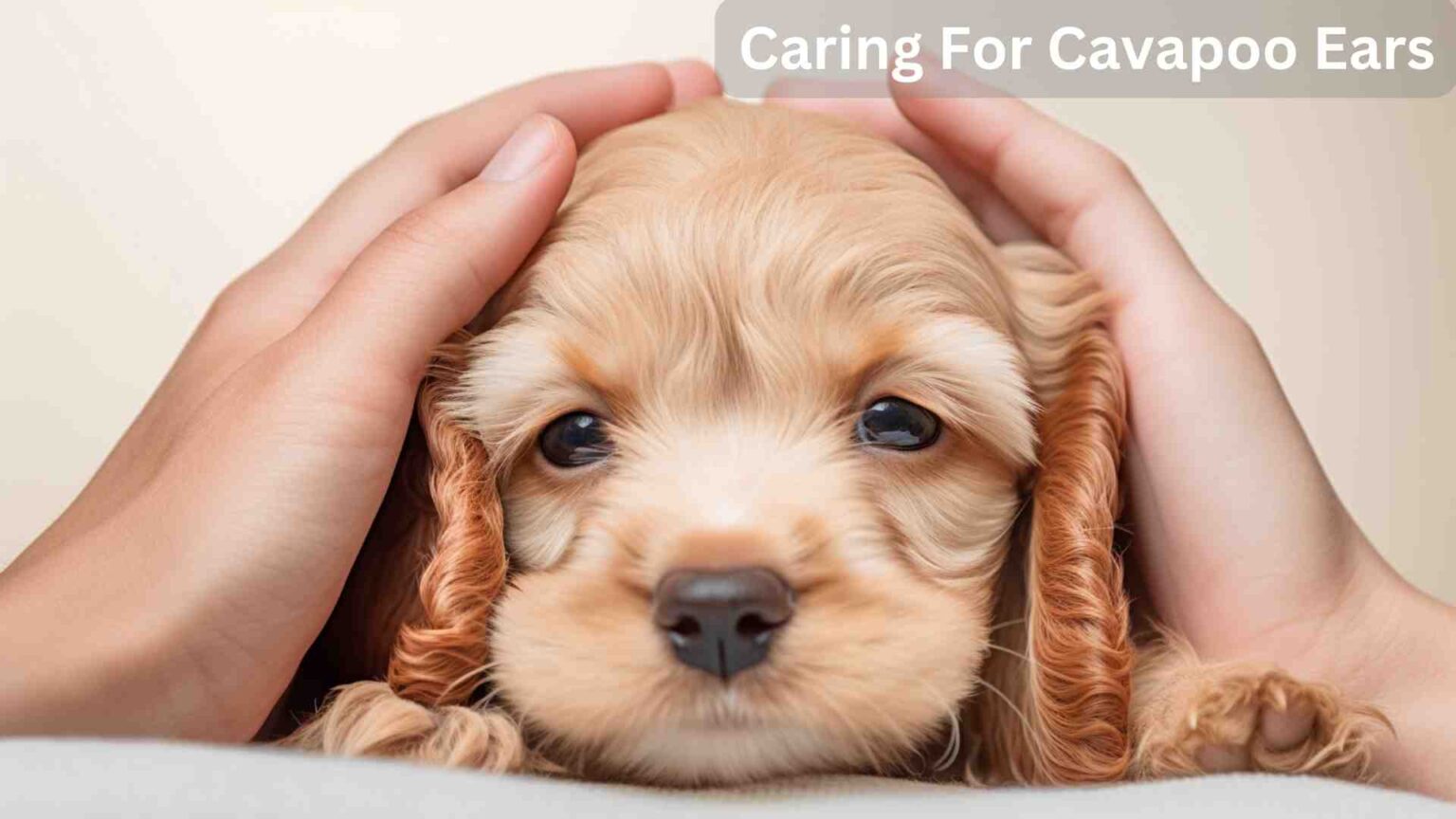
Long, hairy ears that hang close to the head trap warmth and moisture. If your dog shakes their head, scratches at their ears or has a smell, read are Cavapoos prone to ear infections.
Digestion and food
Some Cavapoos have sensitive stomachs, with loose stools, gas or vomiting after certain foods. Our guide to Cavapoo sensitive stomach food tips covers practical, vet-friendly steps.
Shaking and unusual behavior
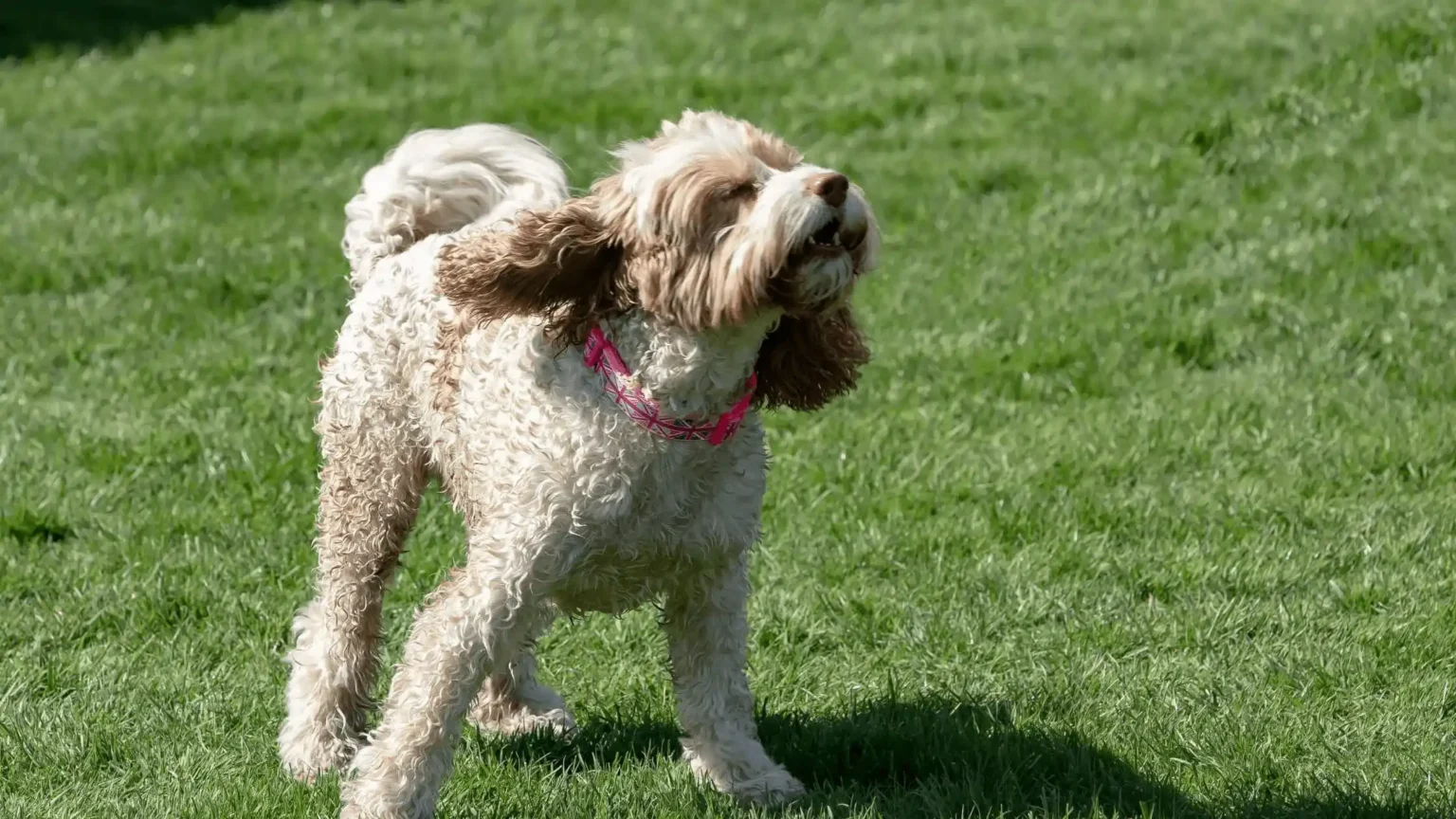
Shaking can be harmless, such as excitement or cold, but it can also signal pain, anxiety or illness. See Cavapoo shaking for no reason: when to worry to learn which signs mean you should call the vet.
Preventive care checklist
- Yearly vet check-ups, with vaccinations and parasite prevention kept up to date
- Regular tooth brushing and dental checks
- Weekly ear and eye checks
- A healthy weight, which protects joints and the heart
- Asking your vet about heart checks, especially as your dog gets older
As your dog ages, also see our senior Cavapoo care guide.
Cavapoo health questions, answered
How long do Cavapoos live? Most live roughly 12 to 15 years.
Are Cavapoos healthier than purebreds? Mixed breeds can have fewer inherited problems in some cases, but they are not free of them, so health-tested parents and regular vet care still matter.
When should I call the vet? Seek advice promptly for repeated vomiting or diarrhoea, trouble breathing, a sudden change in appetite, energy or behavior, or signs of pain.
This guide is general information and does not replace advice from your veterinarian.
All Cavapoo Health Guides