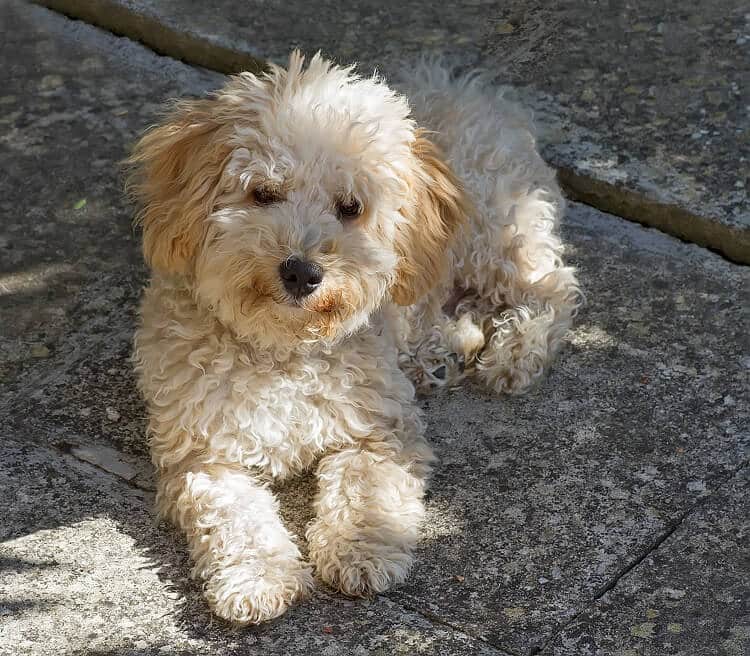

Cavapoo sensitive stomach problems are more common than many owners realize. If your Cavapoo frequently experiences soft stools, vomiting, gas, or food sensitivities, you’re not alone. This guide explains the best food tips, feeding routine, and digestive care strategies to help your Cavapoo enjoy a healthier stomach. If you have a Cavapoo with a sensitive stomach, you already know how unpredictable it can feel.
One day everything’s fine. The next? Soft stools, weird gurgling sounds, random vomiting, grass-eating, or suddenly refusing food like it’s suspicious.
And the most confusing part is this:
they still act completely normal — playful, cuddly, and very interested in treats.
So you start wondering:
Is this serious… or am I overreacting?
You’re not overreacting. And you’re definitely not alone.
This guide is a practical, food-focused plan to help you calm your Cavapoo’s stomach step by step — without turning your kitchen into a food experiment lab. The American Kennel Club recommends introducing new dog food gradually to reduce digestive upset.
Why This Feels So Frustrating (And Why It Keeps Happening)
Sensitive stomachs in Cavapoos rarely show up as one clear problem.
Instead, it’s usually a pattern:
- Things improve
- Then randomly get worse
- Then improve again
For example, one owner shared in this Reddit thread about their Cavapoo wakes up at night with loose, mucousy diarrhea every few months, even when they thought the diet was stable.
That’s what makes this so frustrating — it’s often not one big mistake.
It’s small triggers stacking up over time.
Why Cavapoos Are So Prone to Sensitive Stomachs
Cavapoos are a mix of Cavalier King Charles Spaniel and Poodle — and both breeds can bring digestive quirks.
Here’s what commonly shows up:
- Food intolerances (not full allergies, but still disruptive)
- Sensitivity to rich or fatty foods
- Stress-related digestion issues (boarding, grooming, routine changes)
- Small-dog digestive systems that react quickly
- Treat overload (because they’re hard to resist)
And then there’s the wildcard:
scavenging.
One random snack outside — fries, poop, something unidentifiable — can undo days of progress.
A Cavapoo sensitive stomach can be caused by food intolerances, stress, sudden diet changes, rich treats, or digestive sensitivity inherited from both the Cavalier King Charles Spaniel and Poodle. Identifying the trigger and following a consistent feeding routine is often the most effective long-term solution.
Common Signs of a Sensitive Stomach
You don’t need every symptom for it to matter. Even a few recurring signs are enough:
- Soft stool or on-and-off diarrhea
- Occasional vomiting (especially mornings or after changes)
- Gas, bloating, or stomach noises
- Lip licking, gulping, grass-eating
- Skipping meals or sudden pickiness
- Scooting or irritation (often linked to soft stool)
- Flare-ups after certain treats
If this keeps repeating, it’s not random — it’s a pattern worth fixing.
Before You Change Food, Check These First
A lot of owners jump straight to switching food — but often the real issue is somewhere else.
1. Too Many Treats (or the Wrong Ones)
Even if meals are perfect, treats can quietly cause problems.
Watch out for:
- High-fat chews (pig ears, fatty bully sticks)
- Cheese-heavy snacks
- Constantly trying new treats
Some owners see improvement just by simplifying.
For example, one Cavapoo owner discussed in this Reddit thread about better digestion after switching to simple, single-ingredient treats.
2. Switching Foods Too Quickly
Even high-quality food can cause diarrhea if you transition too fast.
Sensitive stomachs need slow change, not sudden upgrades.
3. Stress and Routine Changes
Dogs don’t always show stress behaviorally — sometimes it shows up in their stomach.
Common triggers:
- Visitors
- Travel
- Grooming
- Boarding
4. Parasites or Gut Issues
If problems keep coming back, don’t assume it’s food.
Giardia is common and often looks like:
- On-and-off soft stool
- Never fully resolving
A fecal test can save you months of trial and error.
5. Eating Something Outside
This one is simple… and frustrating.
Anything from mulch to leftovers can trigger a flare-up.
What “Good Digestion” Actually Looks Like
You need a clear goal — otherwise everything feels like guesswork.
Aim for:
- Firm, log-shaped stool
- Easy to pick up
- No mucus or straining
- Minimal vomiting
- Steady appetite
- Low gas
Perfection isn’t required — consistency is.
The best way to manage a Cavapoo sensitive stomach is to avoid making multiple food changes at once. Introduce one adjustment at a time, monitor stool quality, and give each change at least two weeks before deciding whether it has helped. The Merck Veterinary Manual explains that food intolerance, parasites, and gastrointestinal disease are common causes of chronic digestive problems in dogs.
The Food Strategy That Works (Most of the Time)
If you simplify everything, it comes down to this:
- Choose one simple, digestible food
- Remove randomness (treats, scraps, extras)
- Transition slowly
- Add one support at a time
- Track results for 2–4 weeks
Consistency beats constantly trying new things.
VCA Animal Hospitals provides guidance on managing vomiting, diarrhea, and digestive disorders in dogs.
What to Look for in a Sensitive-Stomach Dog Food
1. One Primary Protein
Stick to one main protein so you can identify triggers.
Good starting options:
- Turkey
- Chicken (works for some, not all)
- Lamb
- Fish (helpful but sometimes rich)
2. Gentle Carbs
Look for:
- Rice
- Oats
- Sweet potato (in moderation)
3. Moderate Fat
Too much fat = loose stool for many Cavapoos.
If flare-ups follow rich treats, fat is likely the trigger.
4. Limited Ingredients
Fewer ingredients = fewer chances for problems.
5. Prebiotic Fiber
Helps regulate digestion and improve stool consistency.
Food Options That Actually Work in Real Life
Option A: Sensitive Stomach Formulas
Balanced and consistent — great starting point.
Option B: Limited Ingredient Diets (LID)
Best if:
- Your dog reacts to many foods
- You want to isolate triggers
Option C: Prescription GI Diets
Highly digestible and controlled.
For example, one owner reported in this Reddit thread about their Cavapoo’s chronic diarrhea improved only after switching to a prescription GI diet.
Option D: Hydrolyzed Diets
A strong option when nothing else works.
Especially helpful if:
- Multiple food failures
- Skin or ear issues alongside GI problems
Think of it as a reset button.
Stop Doing This (Biggest Mistakes)
These habits cause most flare-ups:
- Table scraps
- High-fat chews
- Switching food too often
- Adding new toppers constantly
Sensitive stomachs love predictability.
How to Transition Food Without Causing Problems
Go slower than you think you need to:
- Days 1–3: 90% old / 10% new
- Days 4–6: 75 / 25
- Days 7–9: 50 / 50
- Days 10–12: 25 / 75
- Days 13–14: 10 / 90
- Day 15: 100% new
If stool softens, pause.
Pro tip: measure food — guessing leads to mistakes.
Bland Diet for Short-Term Relief
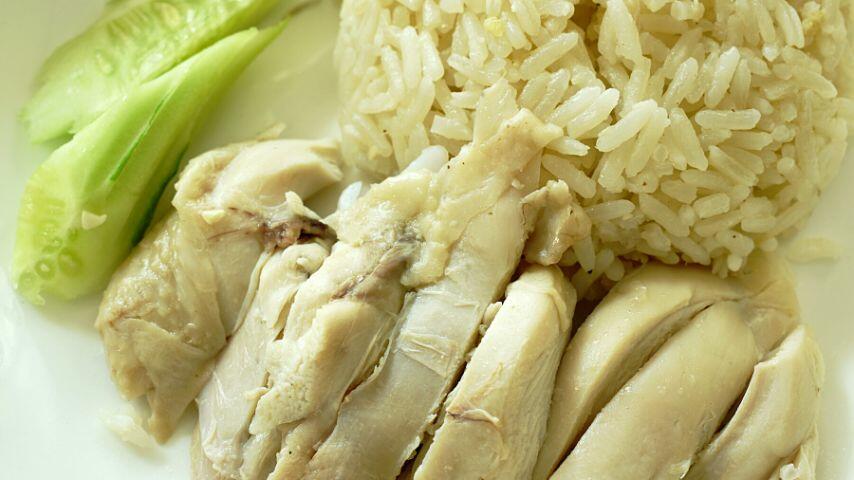
Image Source: animalfoodplanet.com
For mild flare-ups:
- Boiled chicken + white rice
- Boiled turkey + rice
- Small amount of plain pumpkin
Short-term only — not a long-term solution.
Add-Ons That Actually Help
Keep it simple — test one at a time.
Probiotics
Helpful for many dogs.
For example, some owners report in this Reddit thread about firmer stools after adding a daily probiotic.
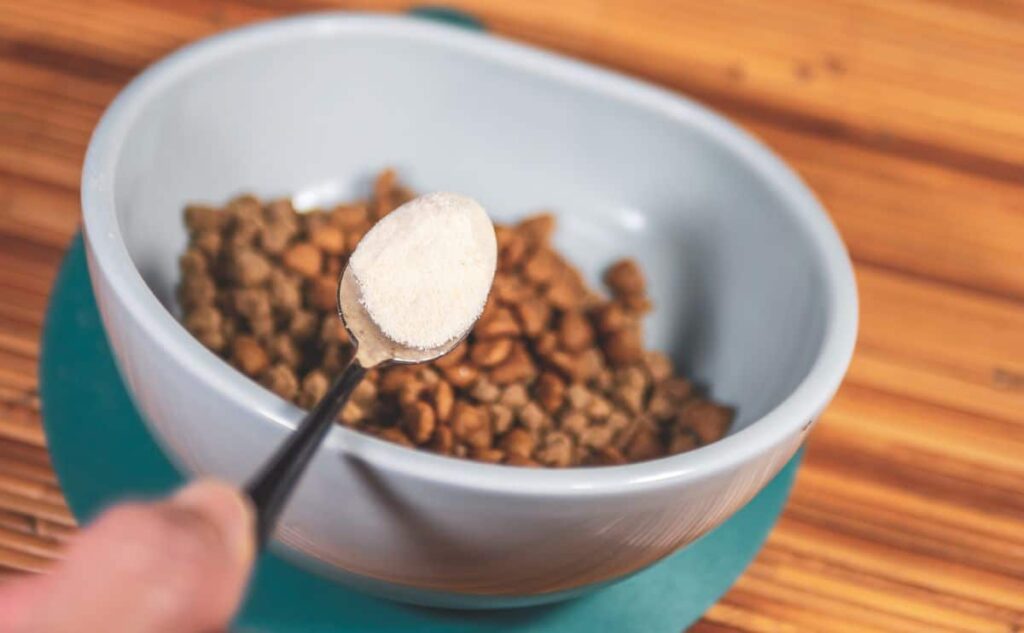
Image Source: caninejournal.com
Pumpkin
Helps regulate stool — but too much can backfire.
Psyllium Husk
Useful for stool shaping — use with vet guidance.
Digestive Enzymes
Helpful in some cases, but not a universal fix.
Treat Strategy (Where Most People Go Wrong)
This is a major hidden cause of problems.
Do this instead:
- Use kibble as treats
- Stick to low-fat, single-ingredient options
- Set a daily limit
Consistency matters more than variety.
Meal Timing Tips That Help
- Feed 2–3 smaller meals daily
- Avoid long empty stomach periods
- Use slow feeders if your dog eats too fast
Hydration (Often Overlooked)
- Always provide fresh water
- Watch for dehydration signs
- Ask your vet about electrolyte solutions if needed
Elimination Diet Approach (For Ongoing Issues)
If problems are chronic:
Step 1: Choose one diet (8–12 weeks)
- GI diet, hydrolyzed, or strict LID
Step 2: No extras
No treats, scraps, or new foods.
Step 3: Track everything
- Stool quality
- Vomiting
- Reactions
Step 4: Reintroduce slowly
Test one new item at a time.
This is slow — but it works.
Common Ingredient Triggers
Every dog is different, but common ones include:
- High-fat ingredients
- Dairy
- Chicken (for some dogs)
- Beef
- Certain fibers
- Too many mixed proteins
Kibble vs Wet vs Fresh Food
Kibble:
✔ Consistent and stable
✖ Less moisture
Wet food:
✔ Easier to eat
✖ Can be richer
Fresh food:
✔ Highly digestible if done right
✖ Easy to get wrong nutritionally
If going fresh, use a vet-approved plan.
“My Cavapoo Is Picky Now” — What to Do
After stomach issues, some dogs associate food with discomfort.
Avoid this mistake: constantly adding new toppers.
Instead:
- Feed on a schedule
- Remove food after 15 minutes
- Stop rotating add-ons
- Warm food slightly if needed
If appetite doesn’t return, call your vet.
When to Call the Vet
Don’t try to “food fix” these:
- Blood in stool
- Repeated vomiting
- Diarrhea lasting over 24–48 hours
- Lethargy
- Weight loss
- Signs of pain
Recurring issues need proper diagnosis.
A Simple 2-Week Reset Plan
Days 1–3
- Remove all extras
- Use kibble as treats
- Keep routine calm
Days 4–14
- Transition slowly to a sensitive-stomach food
- Track stool daily
- Add probiotic or pumpkin (not both)
If things improve, stay consistent.
Final Takeaway
A Cavapoo sensitive stomach doesn’t require finding a miracle food—it requires consistency. Choosing a highly digestible diet, avoiding unnecessary treats, transitioning foods slowly, and monitoring your dog’s digestive health will help reduce stomach upsets and keep your Cavapoo comfortable for the long term.
FAQs (Frequently Asked Questions)
Why do Cavapoos often have sensitive stomachs?
Cavapoos, being a mix of Cavalier King Charles Spaniel and Poodle, commonly experience sensitive stomachs due to factors like food intolerances (different from allergies), sensitivity to rich or fatty foods, stress-related digestion issues, small-dog gastrointestinal tract challenges, and excessive treats. Their enthusiastic scavenging habits can also contribute to tummy troubles.
What are the most common signs that my Cavapoo has a sensitive stomach?
Signs of a sensitive stomach in Cavapoos include soft or intermittent diarrhea, occasional vomiting (especially early morning or after new foods/treats), excessive gas, belly gurgling or bloating, lip licking, gulping, grass eating, meal skipping or pickiness following stomach episodes, scooting or irritated rear areas, and frequent flare-ups after certain treats.
How can I rule out non-food causes of my Cavapoo’s digestive issues before changing their diet?
Before switching dog foods multiple times, check for common non-food causes such as too many treats (especially high-fat or novel treats), sudden diet changes without gradual transition, stress from routine changes like moving or grooming, parasites or gut infections like Giardia (which requires vet testing), and ingestion of harmful outside items like mulch or trash.
What does good digestion look like for a Cavapoo with a sensitive stomach?
Good digestion goals include stool that is formed, log-shaped, and easy to pick up; no straining; absence of mucus; minimal to no vomiting; steady appetite; and minimal gas. While perfection isn’t necessary, consistency in these signs indicates improved digestive health.
What is the best food strategy for managing a Cavapoo’s sensitive stomach?
The best approach involves selecting a simple, highly digestible diet with one primary protein source; eliminating random treats and table scraps; transitioning foods slowly over 2-4 weeks; adding supportive supplements like probiotics or fiber one at a time; and carefully tracking your dog’s response before making further changes.
What should I look for in dog food formulated for Cavapoos with sensitive stomachs?
Choose foods with one primary protein such as turkey, chicken (depending on tolerance), lamb, or fish. Opt for gentle carbohydrates like rice, oats, sweet potato (in moderation), and pumpkin as a topper. Select formulas with moderate fat content to avoid triggering loose stools. Start with limited ingredient diets to help identify potential triggers more easily.