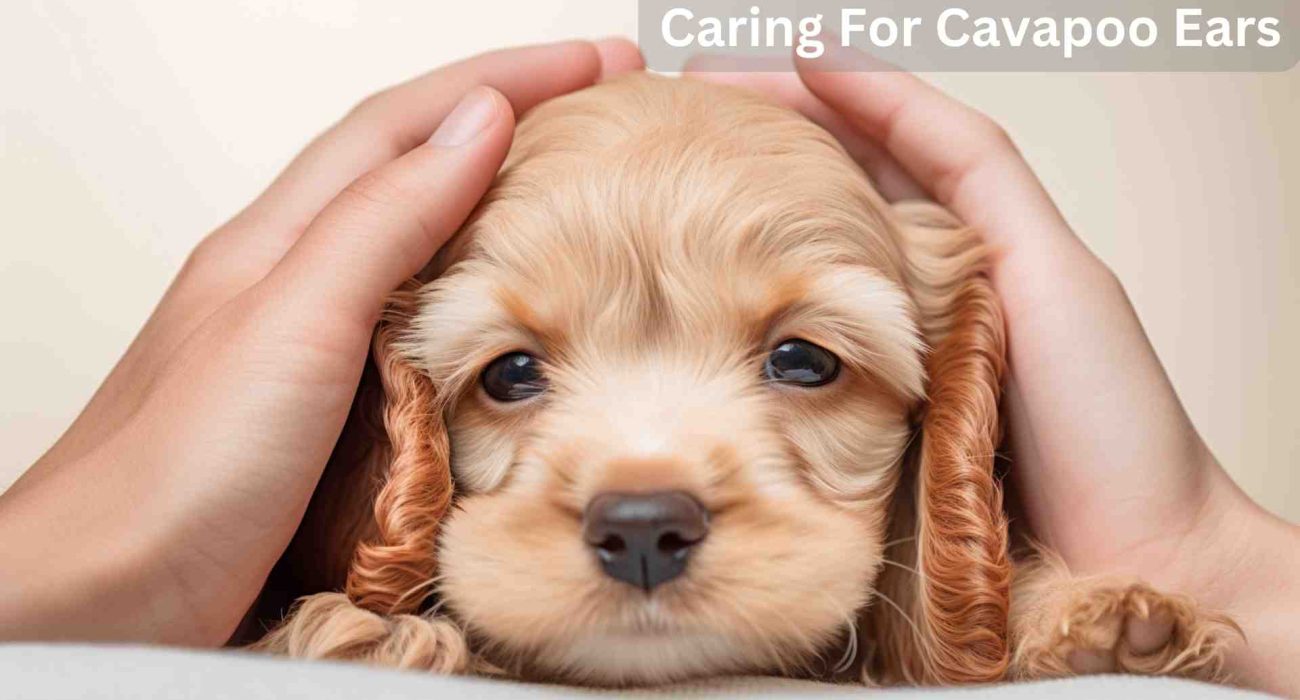
Are Cavapoos prone to ear infections? Yes, Cavapoos are more likely to develop ear infections because of their floppy ears, hair inside the ear canal, and a higher risk of allergies. The good news is that with regular ear care, early detection, and the right routine, most Cavapoo ear infections can be prevented before they become serious. You’ve probably heard this before:
“Cavapoos? Yeah… watch their ears.”
And if you’re a new owner, that can feel a bit worrying.
The truth is — yes, Cavapoos can be prone to ear infections.
But this isn’t because they’re fragile or unhealthy dogs.
It’s because their ears (cute, floppy, and fluffy as they are) create the perfect environment for moisture, wax, and irritation to build up.
Here’s the reassuring part:
Ear infections are one of the most preventable issues in Cavapoos once you understand what’s actually causing them.
Let’s break it down in a simple, practical way so you know exactly what to watch for — and what to do about it.
First, a Quick Reality Check (This Helps a Lot)
Not every Cavapoo struggles with ear infections.
Some go years with zero issues.
Others get them occasionally.
And a smaller group deals with recurring infections, usually because of an underlying trigger like allergies or moisture.
If your Cavapoo has had an ear infection before, or you’re worried about it happening:
- You’re not behind.
- You didn’t “do something wrong.”
- You just need a better system going forward.
Why Cavapoos Are More Prone to Ear Infections
One of the biggest reasons Cavapoos are prone to ear infections is the combination of floppy ears, hair growth inside the ear canal, and limited airflow. Warm, moist conditions allow yeast and bacteria to multiply more easily, especially if allergies or trapped moisture are also present. Regular ear checks can help identify problems before they become painful.
1. Floppy ears trap moisture
Cavapoos usually have drop ears, which means:
- less airflow
- more warmth
- more humidity inside the ear
That environment is exactly what yeast and bacteria love.
2. Hair inside the ear canal
Many Cavapoos inherit Poodle-like ear hair.
That hair can:
- trap wax and debris
- hold moisture
- block airflow
Over time, this creates irritation → which opens the door to infection.
3. Allergies (the BIG hidden cause)
This is the one many owners miss.
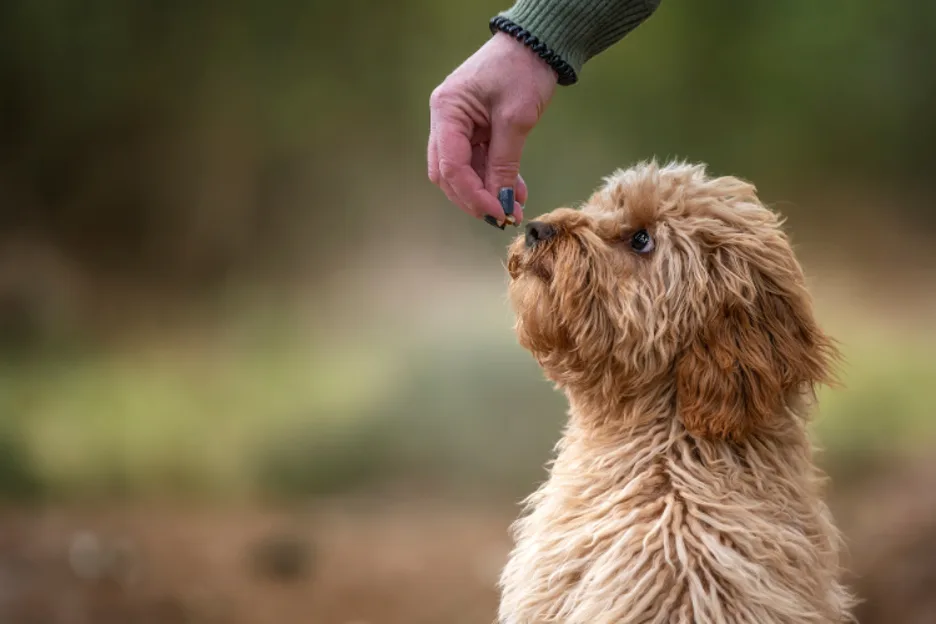
Image Source: honestpet.com
Cavapoos are prone to:
- environmental allergies (dust, pollen)
- food sensitivities
When allergies flare up, the ear canal becomes:
- inflamed
- itchy
- waxy
That creates a cycle:
itching → inflammation → infection → repeat
One Cavapoo owner mentioned in this Reddit thread about repeated ear issues linked to allergies that their dog kept getting infections until they finally addressed the allergy side — after that, things improved significantly.
4. Moisture from baths or swimming
Even a little trapped water can trigger problems.
This is especially true if:
- ears aren’t dried properly
- your dog already has mild inflammation
5. Ear structure (some dogs just have tighter canals)
Some Cavapoos naturally have:
- narrower ear canals
- more curved ear structure
This makes airflow worse and cleaning harder.
What Ear Infections Actually Look Like (Don’t Miss the Early Signs)
Learning to recognize the early symptoms of Cavapoo ear infections is important because mild irritation can quickly develop into a more serious infection. Checking your dog’s ears once a week for redness, odor, swelling, or excess wax is one of the easiest ways to prevent recurring problems.
Obvious signs:
- head shaking
- scratching ears
- bad smell (yeasty or foul)
- visible wax or discharge
- redness
- sensitivity when touched
Subtle signs: (easy to miss)
- avoiding head brushing
- slight head tilt
- lower energy
- one ear looking different than the other
That’s why early checks matter so much.
When to call the vet immediately
- loss of balance
- strong head tilt
- eye flicking (nystagmus)
- severe pain or swelling
- bleeding
These can indicate deeper infections.
What Actually Causes the Infection (And Why This Matters)
Because treatment depends on it.
1. Yeast (most common)
- musty smell
- dark wax
- recurring issues
2. Bacteria
- yellow/green discharge
- more pain
- inflamed ear
3. Ear mites (less common)
- intense itching
- dark debris
- often affects multiple pets
4. Foreign objects
- sudden symptoms
- one ear only
- sharp pain reaction
5. Allergies (root cause of many repeat cases)
If infections keep coming back, this is often the real issue.
Why Some Cavapoos Keep Getting Ear Infections
This is one of the biggest frustrations for owners.
You treat it… it improves… then it comes back.
A Cavapoo owner described this exact cycle in this Reddit discussion about recurring infections — their dog improved with medication, but the infection returned until they changed their routine and addressed underlying triggers.
This is usually caused by:
- stopping treatment too early
- not addressing allergies
- moisture buildup continuing
- ear environment staying “infection-friendly”
How to Actually Fix and Prevent Ear Infections (Simple Plan)
Let’s keep this practical and realistic.
The American Kennel Club recommends checking your dog’s ears regularly, especially breeds with floppy ears that are more prone to infections.
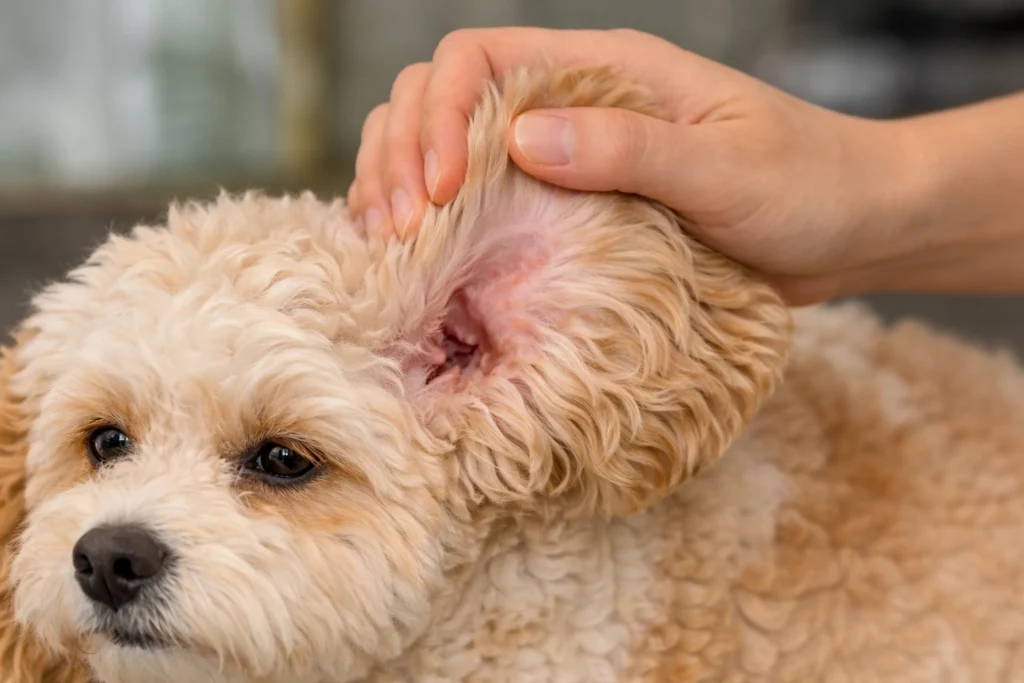
Step 1: Weekly ear check (20 seconds)
Look for:
- smell
- redness
- excess wax
If everything looks normal → leave it alone.
Over-cleaning can make things worse.
Step 2: Always dry ears after water exposure
After baths or swimming:
- gently towel dry
- use a vet-approved drying cleaner if recommended
This one step alone prevents a lot of infections.
Step 3: Use the right ear cleaner (not random ones)
Different dogs need different types:
- drying cleaners (for yeast-prone dogs)
- gentle maintenance cleaners
- wax-dissolving cleaners
Ask your vet — guessing here often backfires.
Step 4: Manage ear hair properly
There’s no one-size-fits-all rule.
- Some dogs benefit from trimming or plucking
- Others get irritated from it
Best approach:
- Decide based on your dog’s history (with vet/groomer guidance)
Step 5: Address allergies early
This is the long-term fix for many Cavapoos.
Options may include:
- diet adjustments
- allergy medications
- environmental management
When allergies improve, ear infections often drop dramatically.
The Merck Veterinary Manual explains that moisture, allergies, and poor airflow are among the most common causes of canine ear infections.
What NOT to Do
This is where many owners accidentally make things worse.
- Don’t use random home remedies (vinegar, peroxide, oils)
- Don’t guess yeast vs bacteria
- Don’t stop medication early
- Don’t aggressively clean painful ears
“Can I Treat It at Home?”
Short answer: not safely in most cases.
You can support your dog by:
- keeping ears dry
- preventing scratching
- booking a vet visit early
But proper treatment requires:
- correct diagnosis (yeast vs bacteria)
The VCA Animal Hospitals ear care guide provides useful information about recognizing and treating ear infections in dogs.
A Simple Routine You Can Actually Stick To
If you want something easy:
- Weekly: quick ear check
- After water: dry ears
- Every 1–2 weeks (if needed): gentle cleaning
- Grooming: keep ear area tidy
- Recurring issues: investigate allergies
That’s it.
No complicated routine needed.
Let’s wrap this up
Yes, Cavapoos can be prone to ear infections, mainly because of floppy ears, ear hair, moisture trapping, and a higher chance of allergies.
But here’s the encouraging part: most Cavapoo ear infections are preventable, and even the dogs who are “repeat offenders” usually improve a lot with the right routine and by tackling the underlying cause.
Are Cavapoos prone to ear infections? They certainly can be, but regular ear care, allergy management, and early treatment make a huge difference. Weekly ear checks, keeping the ears dry after swimming or bathing, and visiting your veterinarian at the first sign of infection will help keep your Cavapoo comfortable and healthy throughout their life.
FAQs (Frequently Asked Questions)
Why are Cavapoos more prone to ear infections compared to other dog breeds?
Cavapoos are more prone to ear infections because they inherit traits from both Cavalier King Charles Spaniels and Poodles that increase ear trouble. Their floppy ears reduce airflow, trapping moisture and heat, which creates a perfect environment for yeast and bacteria. Additionally, hair growth inside their ear canals can trap wax and dirt, and many Cavapoos have allergies that cause inflammation, making infections more likely.
What are the common signs of ear infections in Cavapoos?
Common signs include head shaking, scratching at the ears, rubbing ears on furniture, visible redness inside the ear flap, a yeasty or foul smell, brown or yellow discharge, swelling around the ear opening, and pain when touching the ear. Some sneaky signs include flinching when brushed near the head, one ear appearing different than the other, grumpiness or tiredness without clear reason, slight head tilting, and reduced interest in playing.
What causes ear infections in Cavapoos?
Ear infections in Cavapoos can be caused by yeast overgrowth (commonly Malassezia), bacterial infections, or mites. Yeast naturally lives on dog skin but can overgrow in warm, moist environments like floppy ears. Allergies and moisture from swimming or bathing also contribute by causing inflammation and trapping moisture that promotes infection.
How can I prevent ear infections in my Cavapoo?
Prevention involves regular ear care including keeping ears dry after baths or swimming to reduce moisture buildup. Managing allergies through diet or environmental controls helps reduce inflammation that leads to infections. Regularly checking and gently cleaning your dog’s ears to remove wax and debris without causing irritation is key. A realistic routine tailored to your dog’s needs can prevent most recurring infections.
When should I seek emergency veterinary care for my Cavapoo’s ear infection?
Seek emergency care if your Cavapoo shows loss of balance or stumbling, rapid new head tilt, eye flicking side-to-side (nystagmus), severe swelling or intense pain around the ears, bleeding that doesn’t stop, or signs of hearing loss. These symptoms may indicate a serious middle or inner ear infection requiring immediate veterinary attention.
Are all Cavapoos guaranteed to have frequent ear infections?
No, not all Cavapoos will have frequent ear infections. While many are more prone due to their anatomy and potential allergies, some go their entire lives with minimal issues. The risk increases with factors like heavy ear hair, frequent moisture exposure, allergies, or previous infections. Proper care and early management greatly reduce chances of recurring problems.