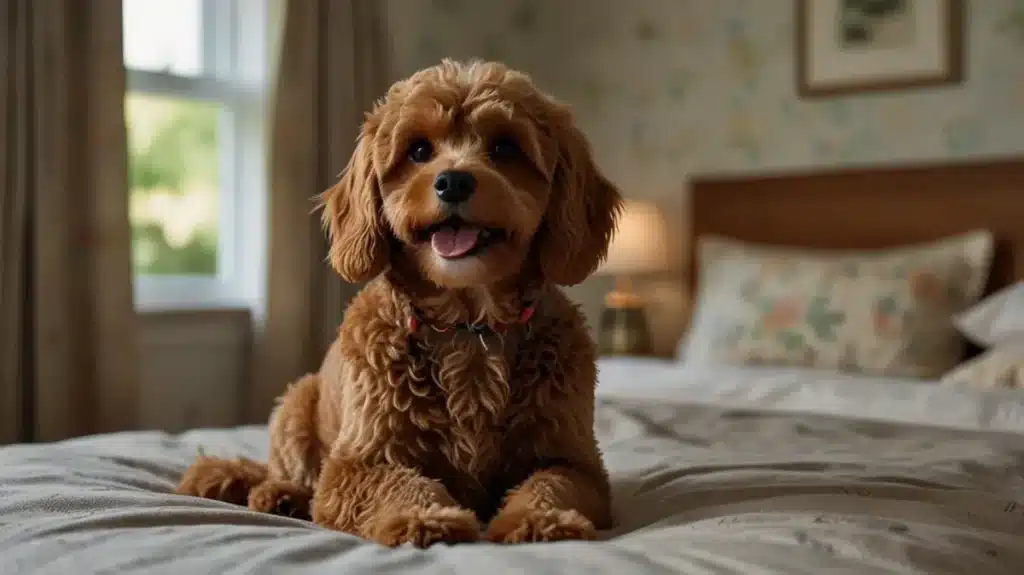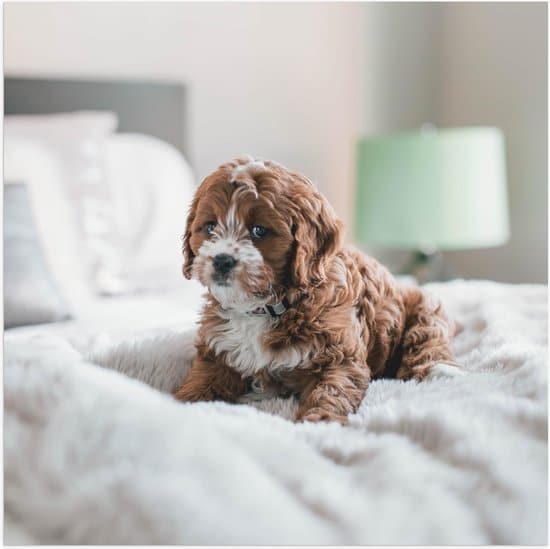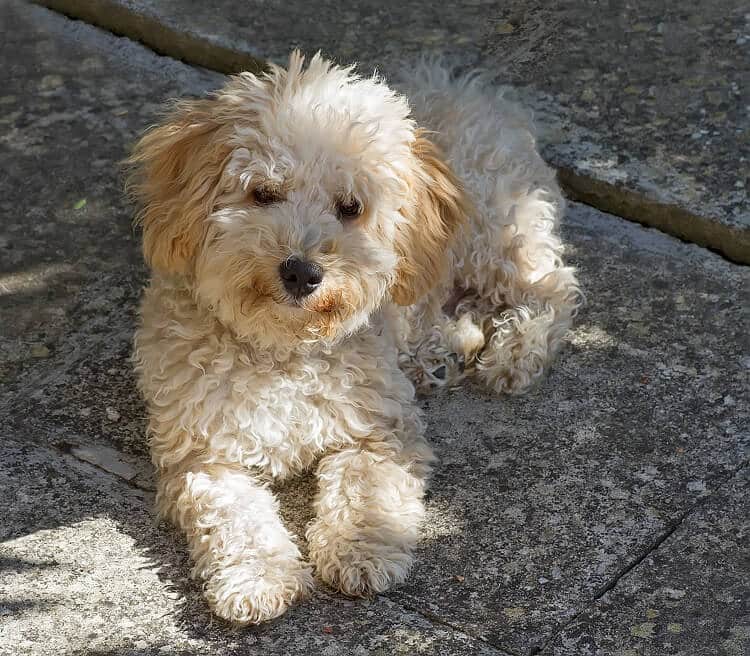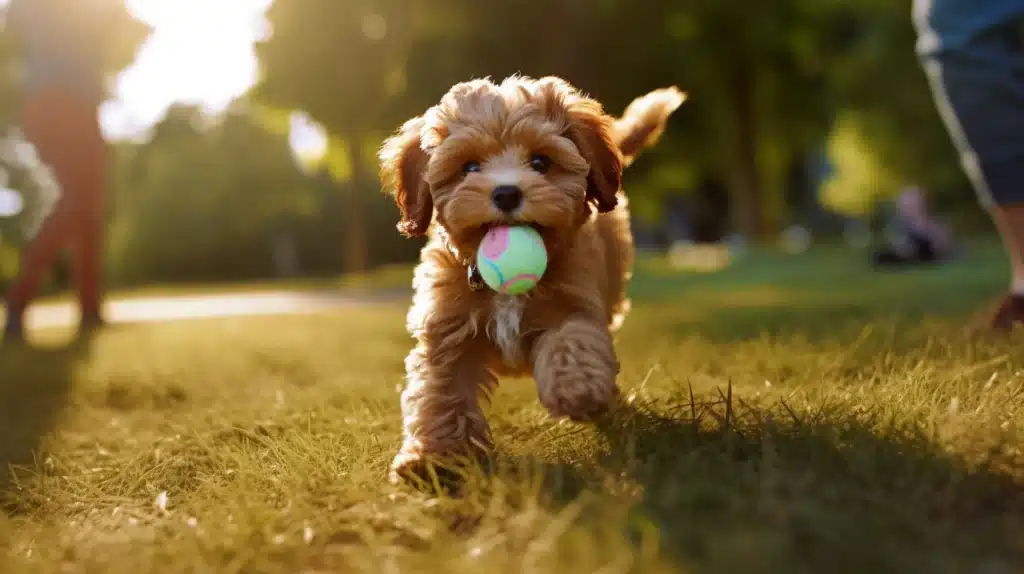
If you have a Cavapoo, you probably know this scene well: you stand up to grab water, and suddenly a fluffy shadow appears at your ankles. You sit down, and they’re in your lap. You go to the bathroom, and they’re posted outside the door like a tiny security guard.
Yep. Your Cavapoo is clingy.
But here’s the important question: is it normal, cute clinginess—or stress-driven clinginess that needs attention?
This guide breaks down why Cavapoos become “Velcro dogs,” the signs it’s a problem, and exactly what to do so your dog can feel safe and confident without being glued to you 24/7.
Why Is My Cavapoo So Clingy? (Quick Answer)
Most Cavapoos are naturally clingy because they inherit affectionate, people-focused traits from both the Cavalier King Charles Spaniel and the Poodle. However, excessive clinginess may also result from separation anxiety, boredom, lack of independence training, environmental changes, or discomfort. Identifying the cause helps you choose the right solution.
Are Cavapoos Naturally Clingy?
Wondering why your Cavapoo is so clingy? Cavapoos are naturally affectionate dogs, but constant following, whining, or anxiety can sometimes signal a deeper issue. This guide explains why your Cavapoo follows you everywhere and how to encourage healthy independence without damaging your bond. Yes. Cavapoos are prone to clinginess.
They’re a mix of:
- Cavalier King Charles Spaniel – affectionate, lap-loving, people-focused
- Poodle – intelligent, sensitive, emotionally in tune with their humans
Put them together, and you get a dog that:
- loves closeness
- constantly watches you for cues
- mirrors your mood
- often prefers people over independence
Following you around doesn’t automatically mean something is wrong.
The real difference is this:
Is your Cavapoo calm when near you and when apart?
If they fall apart even when you step away briefly, that’s the line between normal attachment and true Velcro behavior.
Velcro Dog Signs: When Clinginess Becomes a Concern
Normal clingy behavior
- follows you but settles quickly
- enjoys contact naps but can sleep alone
- checks in occasionally, then goes back to relaxing
- excited when you return, then calms
Stress clingy behavior
- panics when you leave the room
- whines, barks, scratches doors, or paces when separated
- refuses toys or food when alone
- destructive behavior only when you’re gone
- extreme greetings after short absences
If your Cavapoo is showing the stress signs, don’t assume they’re “spoiled.”
They’re usually feeling insecure — and the good news is that confidence can be built with the right approach.
Why Your Cavapoo Is So Clingy (Most Common Causes)
1. Genetics and temperament
Some Cavapoos are simply born extra attached.
You might notice it early:
- they want to be held constantly as a puppy
- they cry when put in a pen or crate
- they choose people over toys every time
This doesn’t mean they’ll develop separation anxiety, but they may need more deliberate independence training.
2. You accidentally trained the clinginess
This happens to many loving dog owners.
The pattern often looks like this:
- Dog follows you
- Dog whines or paws
- You give attention or comfort
- The dog learns: “Following gets rewards.”
The solution isn’t ignoring your dog forever.
Instead, start rewarding calm independence too.
3. Lack of independence practice
Many Cavapoos grow up with constant companionship:
- someone works from home
- they’re carried often
- they sleep in the bed
- they’re rarely left alone
These things aren’t bad — but if independence is never practiced, alone-time can feel scary later.
4. Separation anxiety or isolation distress
This is where clinginess becomes more serious.
Separation anxiety isn’t just missing you — it’s closer to a panic response.
Dogs with separation anxiety might:
- bark or howl nonstop when you leave
- pace, drool, or pant heavily
- try to escape crates or rooms
- chew doors or furniture
- have accidents even if house-trained
For example, one Cavapoo owner described in this Reddit discussion about a puppy that struggles when the owner leaves how their dog vocalized and became distressed whenever they stepped out.
These experiences are very common among Cavapoo owners.
5. Mental boredom
Cavapoos are intelligent dogs. When they’re bored, they seek engagement — and the easiest engagement in the house is you.
One Cavapoo owner mentioned in this Reddit post about their dog staring at the door when alone that their pup ignored toys and simply waited for them to return.
Clinginess often improves when dogs get more mental outlets.
Helpful activities include:
- sniff-focused walks
- puzzle toys
- training games
- safe chew sessions
6. Environmental stress or life changes
Clinginess can spike when your dog’s world changes.
Common triggers include:
- moving homes
- schedule changes
- a new baby or pet
- loud construction or storms
- adolescence
Dogs naturally seek safety when things feel unpredictable.
7. Pain or discomfort
If your Cavapoo suddenly becomes clingier, physical discomfort could be involved.
Watch for:
- paw licking
- changes in appetite
- reluctance to jump or climb stairs
- restlessness at night
A vet visit is a smart step if the behavior appears suddenly.
The American Veterinary Medical Association (AVMA) recommends ruling out medical causes whenever a dog suddenly develops behavioural changes such as increased clinginess or anxiety.
Quick Self-Test: Is It Normal Velcro Behavior?
Ask yourself:
- Can your Cavapoo settle a few feet away from you?
- Do they panic if you briefly close a door?
- Will they eat a chew or lick mat while you’re in another room?
- Do keys or shoes trigger anxiety?
If several of these situations cause distress, your dog may benefit from confidence-building training.
How to Help a Clingy Cavapoo Feel More Independent
The goal isn’t pushing your dog away.
The goal is helping them learn that being alone is safe.
1. Reward independence
Try this simple exercise:
- sit down calmly
- wait for your dog to settle nearby
- toss a small treat when they relax away from you
You’re teaching that space can be rewarding too.
2. Teach a “place” or “settle” cue
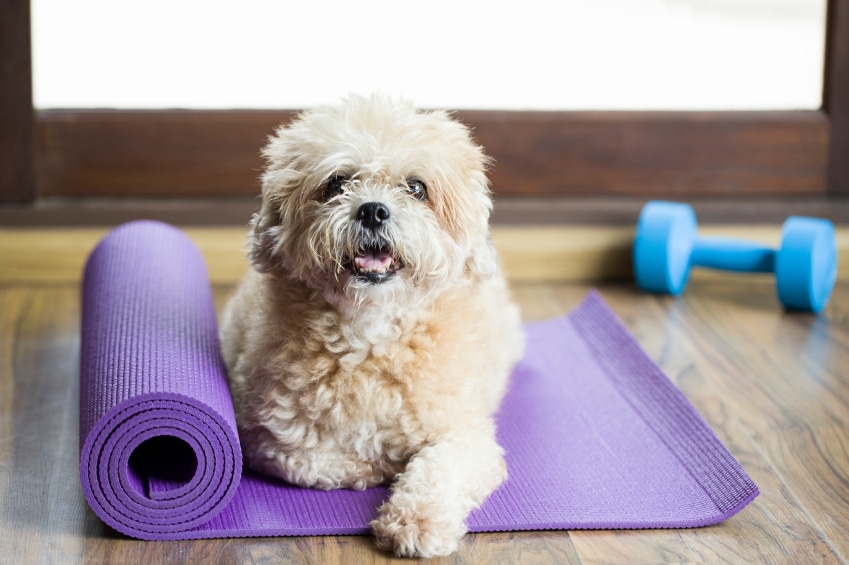
Image Source: australiandoglover.com
Use a dog bed or mat.
Reward:
- stepping onto it
- lying down
- staying there longer each time
Eventually your dog learns that relaxing on their spot is normal.
3. Practice tiny separations
Instead of suddenly leaving for long periods, build tolerance slowly.
Examples:
- step into another room for a few seconds
- close a door briefly
- walk down the hallway and return
If whining starts, make the step smaller.
4. Make alone-time positive
Create routines where separation equals good things.
Try giving:
- stuffed Kongs
- lick mats
- puzzle feeders
- snuffle mats
Keep sessions short at first.
5. Reduce constant shadowing
You don’t need to scold your dog.
Instead:
- cue them to their bed
- reward staying
- use baby gates so they can see you without following everywhere
6. Increase mental enrichment
Many Cavapoos cling less when their brain is engaged.
Helpful options include:
- scent games
- short training sessions
- sniff-heavy walks
- supervised chewing
What Not to Do
Avoid these common mistakes:
- punishing clingy behavior
- forcing long alone-time too quickly
- relying only on physical exercise
- accidentally rewarding panic
Slow, positive confidence building works much better.
When to Get Professional Help
Consider professional support if your Cavapoo:
- injures themselves trying to escape confinement
- refuses food when alone
- shows full panic responses
- triggers neighbor complaints from barking
For example, one owner described in this Reddit thread about severe separation anxiety in a Cavapoo how they needed structured training to gradually build their dog’s confidence with being alone.
The Mindset Shift That Changes Everything
Instead of asking:
“How do I stop my dog from following me?”
Ask:
“How can I teach my Cavapoo that independence is safe?”
Confidence comes from small, calm successes repeated over time.
Key Takeaways
Most Cavapoos are clingy because they’re naturally affectionate and deeply bonded with their owners.
But when clinginess turns into constant dependence, it’s usually a sign that your dog needs help building confidence.
Start with these steps:
- reward independent settling
- teach a “place” cue
- practice small separations daily
- make alone-time positive
- increase mental stimulation
- keep arrivals and departures calm
With patience and consistency, most Cavapoos learn they can be both loving companions and confident independent dogs.
If you’ve been asking, “Why is my Cavapoo so clingy?” the answer is usually a combination of genetics, routine, and confidence. Most Cavapoos naturally enjoy staying close to their owners, but excessive clinginess often improves with independence training, mental stimulation, predictable routines, and positive reinforcement. By addressing the underlying cause rather than simply ignoring the behaviour, you can raise a happy, confident, and well-adjusted companion.
FAQs (Frequently Asked Questions)
Are Cavapoos naturally clingy dogs?
Yes, Cavapoos are naturally prone to clinginess due to their Cavalier King Charles Spaniel and Poodle heritage. Both breeds bond intensely with their people, making Cavapoos love closeness, watch you for cues, sync emotionally with your mood, and often prefer people over independence.
How can I tell if my Cavapoo’s clinginess is normal or a problem?
The key is observing if your Cavapoo is calm both when near you and when apart. Normal clingy behavior includes following you around but settling quickly, preferring contact naps but sleeping alone too, and checking in before relaxing. Problematic clinginess shows as panic when separated, whining or destructive behavior when alone, inability to settle without touching you, and anxiety signals like panting or trembling.
What causes my Cavapoo to be clingy?
Clinginess in Cavapoos can stem from genetics and temperament, accidental reinforcement of clingy behaviors by owners, lack of independence practice especially in puppies, separation anxiety or isolation distress, and mental under-stimulation leading to boredom.
How does accidental training contribute to my Cavapoo’s clinginess?
If your dog follows you and then whines or paws for attention, and you respond by petting or comforting them, they learn that fussing gets them closer to you. This creates a clingy loop where the dog seeks constant closeness. The solution is teaching your dog to settle independently and rewarding calm behavior away from you.
VCA Animal Hospitals recommends building independence through gradual desensitisation rather than forcing dogs to spend long periods alone.
What is separation anxiety in Cavapoos and how does it differ from normal missing behavior?
Separation anxiety is a panic response rather than simply missing you. Dogs with separation anxiety may vocalize nonstop when left alone, drool, pant, pace, try to escape crates causing injury, chew doorframes, or have accidents despite being house-trained. It requires specific management strategies beyond normal training.
According to the American Kennel Club (AKC), separation anxiety is one of the most common behavioural challenges in companion breeds and should be addressed gradually using positive training methods.
How can I help my under-stimulated Cavapoo who seems clingy out of boredom?
Cavapoos are intelligent dogs needing mental engagement. Ensure they get enough sniffing and exploring time, chewing opportunities, puzzle feeding toys, and training games. A well-exercised and mentally stimulated Cavapoo is less likely to seek constant attention out of boredom.