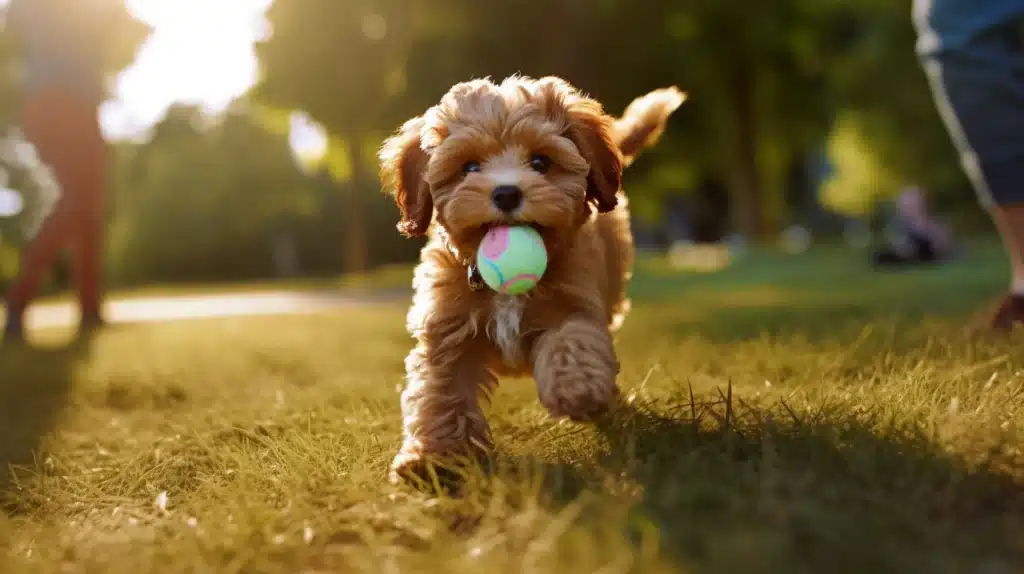
How do you calm an overexcited Cavapoo indoors? If your Cavapoo suddenly starts racing around the house, jumping on furniture or struggling to settle, you’re not alone. Indoor zoomies and hyper behaviour are common in this intelligent, energetic breed. The good news is that most cases can be improved with the right balance of exercise, mental stimulation and calm training. This guide explains exactly what causes indoor overexcitement and how to help your Cavapoo relax. One minute your Cavapoo is curled up beside you like the sweetest little companion in the world.
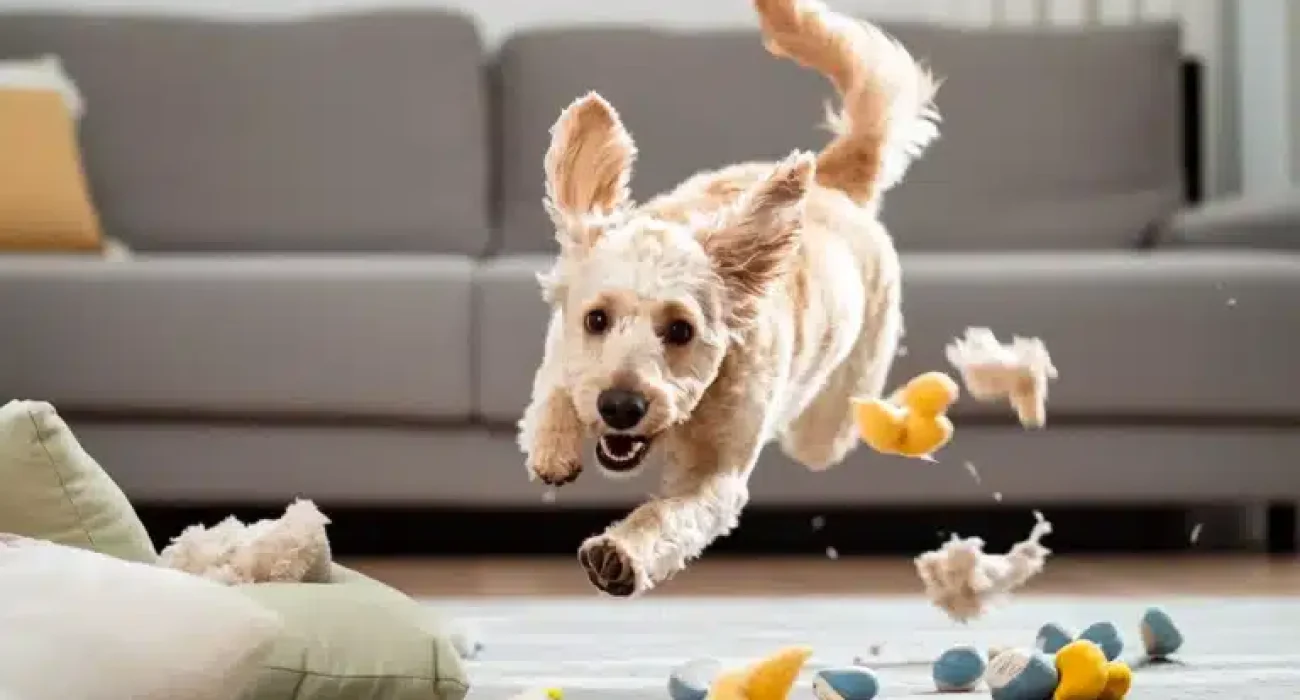
The next minute they’re sprinting across the couch, spinning through the hallway, and launching themselves off furniture like a tiny furry tornado.
If that sounds familiar, you’re definitely not alone.
Many Cavapoo owners describe this exact burst of indoor energy. One owner even joked about their dog turning into a “running acrobat” during zoomies in a Reddit discussion about how incredibly fast Cavapoos can be during zoomies, which perfectly captures how wild those energy bursts can look inside a house.
The good news is that indoor overexcitement usually has clear causes — and once you understand those causes, calming your Cavapoo becomes much easier.
This guide will walk you through why Cavapoos get so wound up indoors and exactly what you can do to help them settle down.
How to Calm an Overexcited Cavapoo Indoors (Quick Answer)
The fastest way to calm an overexcited Cavapoo indoors is to redirect their energy into calming activities like sniff games, puzzle toys, lick mats or short training sessions. Most Cavapoos become hyper because of excess energy, mental boredom, overtiredness or a lack of relaxation training—not because they are “bad” dogs.
VCA Animal Hospitals recommends food puzzles, sniffing games and interactive toys as excellent ways to reduce boredom and encourage calm behaviour indoor
Why Cavapoos Get Overexcited Indoors
Cavapoos combine the affectionate nature of the Cavalier King Charles Spaniel with the intelligence and energy of the Poodle.
That combination creates a dog that is:
- extremely social
- highly intelligent
- emotionally responsive
- energetic and playful
When those needs aren’t balanced correctly, that energy often turns into indoor zoomies and chaotic bursts of excitement.
Let’s break down the most common reasons.
1. Pent-Up Energy
According to the American Kennel Club (AKC), regular physical exercise and positive reinforcement training help dogs develop better behaviour and emotional balance.
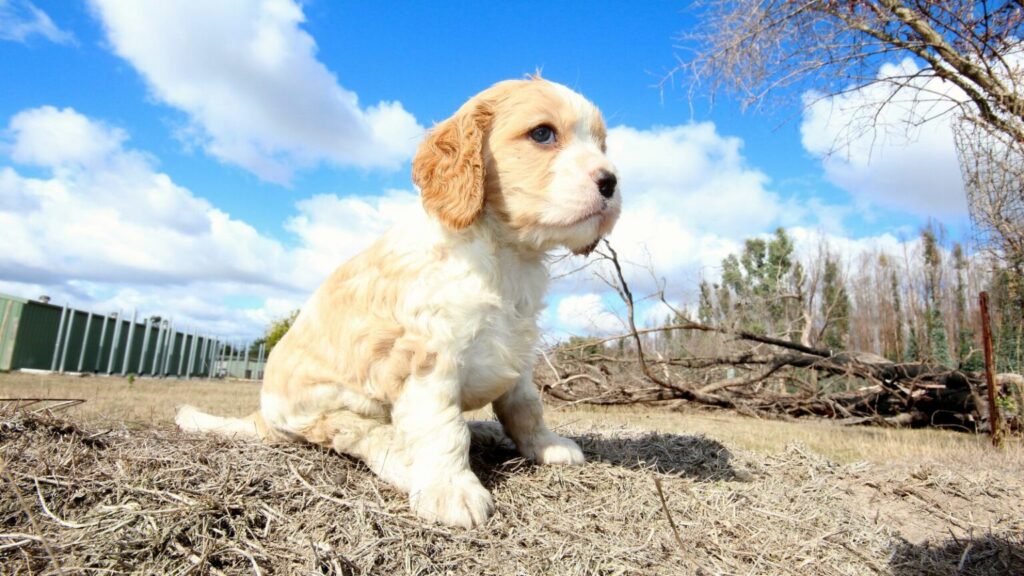
Image Source: littletetondoodles.com
Cavapoos may be small, but many of them have surprisingly high energy levels.
Without enough outlets for that energy, it often explodes indoors.
Owners frequently describe Cavapoos sprinting through rooms, bouncing off furniture, or racing in circles when excitement builds. One Cavapoo owner shared concerns about their dog’s intense indoor running in a Reddit thread about a Cavapoo with extremely fast zoomies and sudden bursts of speed.
This kind of energy burst is normal — but it still needs an outlet.
What helps:
Focus on energy outlets earlier in the day:
- sniff-focused walks
- structured play sessions
- fetch or tug games
- short training exercises
Physical activity alone doesn’t solve everything, but it helps reduce the “pressure buildup” that causes zoomies.
2. Not Enough Mental Stimulation
The American Veterinary Medical Association (AVMA) explains that environmental enrichment and mental stimulation are essential for improving a dog’s behavioural health and overall welfare. Cavapoos are extremely smart dogs.
If their brain gets bored, they create their own entertainment.
That often looks like:
- stealing objects
- barking
- jumping around furniture
- running through the house
Mental stimulation often tires dogs faster than physical exercise.
What helps:
Add activities that challenge their brain:
- puzzle feeders
- snuffle mats
- scent games
- short obedience training sessions
Even 10 minutes of mental engagement can dramatically calm an energetic dog.
3. Overtired Puppy Energy
Sometimes hyper behavior actually means your dog is too tired.
Young Cavapoos especially can become wild when they haven’t rested enough.
Instead of relaxing, they become:
- bitey
- zoomy
- overly playful
- unable to settle
This pattern shows up frequently with young Cavapoos. One owner described their puppy suddenly getting late-night zoomies for hours in a Reddit thread about a six-month-old Cavapoo with nighttime zoomies and sudden behavior changes.
Overtired puppies often behave exactly like this.
What helps:
Make sure your Cavapoo gets:
- regular naps
- quiet downtime
- consistent daily routines
Structured rest often solves evening hyperactivity.
4. Lack of Calm Training
Many dogs never learn how to settle indoors.
Calm behavior doesn’t always come naturally — it often has to be taught and reinforced.
In a Reddit discussion about whether energetic Cavapoo puppies eventually calm down, experienced owners explained that teaching calm behaviors and capturing relaxation moments helped their dogs settle over time.
In other words, calmness is a skill dogs learn.
Fast Ways to Calm an Overexcited Cavapoo
When your dog is already bouncing off the walls, these techniques can help reset their energy.
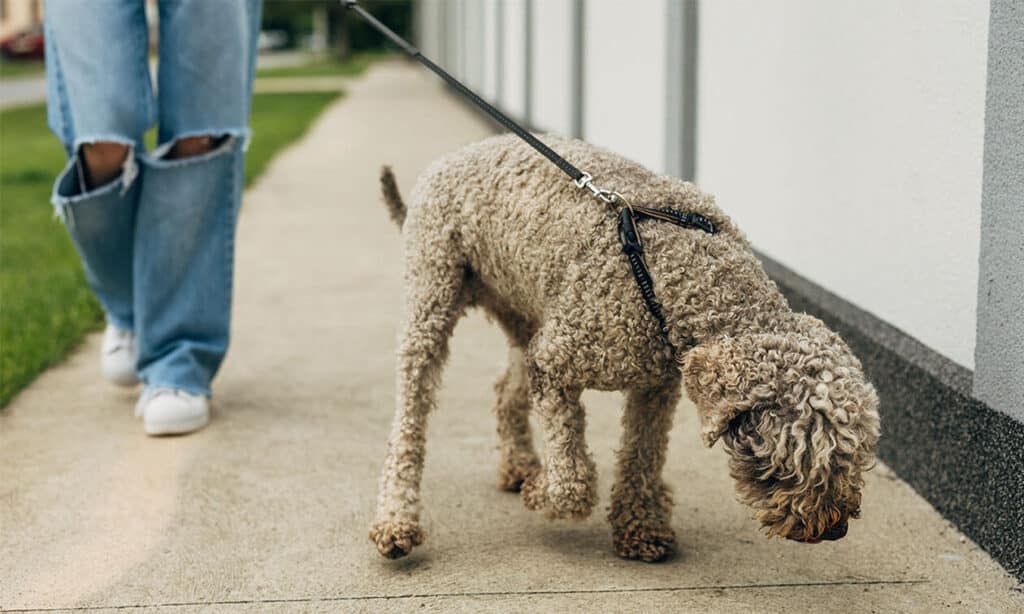
Image Source: zoetispetcare.com
1. Use the “Find It” Game
This is one of the fastest calming tricks for excited dogs.
Steps:
- Toss several small treats onto the floor
- Say “find it”
- Let your dog sniff and search
Sniffing activates a dog’s natural foraging instinct and shifts their brain from excitement to focus.
2. Offer a Licking Activity
Licking naturally calms dogs.
Try:
- lick mats
- stuffed Kong toys
- frozen yogurt treats
These activities help lower stress hormones and encourage relaxation.
3. Slow Your Own Energy
Dogs often mirror human emotions.
If you respond with loud voices or frantic movement, your dog’s excitement can increase.
Instead:
- speak softly
- move slowly
- avoid sudden movements
- stay calm
Lower energy from you often leads to lower energy from your dog.
4. Teach a Relaxation Spot
A “place” or mat can become a powerful calming tool.
Start by rewarding your dog whenever they step onto the mat.
Gradually reward them for:
- sitting
- lying down
- staying calmly
Eventually the mat becomes their natural relaxation spot.
Common Mistakes That Make Zoomies Worse
Avoid these common reactions:
Chasing your dog
This turns zoomies into a game.
Repeating commands
An overstimulated dog often cannot process commands.
Increasing excitement
Loud reactions or playful chasing can accidentally reinforce hyper behavior.
A Daily Routine That Prevents Indoor Chaos
Structure helps dogs regulate their energy.
Example routine:
Morning:
- potty break
- sniff walk
- puzzle toy breakfast
Midday:
- short training session
- calm play
- nap
Evening:
Many Cavapoos experience evening “zoomies.”
A structured evening routine helps:
- walk or play session
- dinner in a puzzle toy
- chew or lick mat
- calm downtime
Consistency helps dogs learn when it’s time to relax.
When Zoomies Still Happen
Zoomies are completely normal.
They are simply bursts of stored energy.
If your Cavapoo starts racing around:
- move fragile items out of the way
- redirect to sniff games
- stay calm and avoid chasing
Most zoomie episodes last only a few minutes.
What Not To Do:
Avoid these reactions when your Cavapoo gets hyper:
- yelling
- chasing them
- grabbing them suddenly
- punishing excitement
These reactions usually increase stress and energy instead of calming the dog.
A Simple Action Plan You Can Try Tonight
If your Cavapoo gets overexcited indoors, try this simple routine:
- Take a sniff-focused walk earlier in the evening
- Feed dinner through a puzzle toy
- Play a short training game
- Offer a chew or lick mat
- Quietly reward calm behavior
Over time, many dogs begin choosing calm behavior naturally.
Let’s Wrap up:
An overexcited Cavapoo indoors doesn’t mean you have a “bad” dog.
Most of the time it simply means your dog has:
- energy
- intelligence
- strong social instincts
Once you balance exercise, mental stimulation, rest, and calm routines, many Cavapoos transform from tiny indoor tornadoes into relaxed and affectionate companions.
How to calm an overexcited Cavapoo indoors starts with understanding why your dog becomes hyper in the first place. Most indoor zoomies are caused by excess energy, mental boredom, overtiredness or a lack of calm training. By combining regular exercise, enrichment activities, structured rest and positive reinforcement, your Cavapoo can learn to settle naturally and enjoy a calmer home environment.
FAQs (Frequently Asked Questions)
Why do Cavapoos get overexcited indoors and is it just because they’re hyper?
Cavapoos often get overexcited indoors due to a combination of factors: they are social and love being around people, smart but can quickly learn bad habits, sensitive and easily stimulated, and have busy brains with bodies that want to move. Overexcitement indoors usually stems from an under-exercised body, an under-stimulated brain, an overstimulated nervous system, accidentally reinforced excitement, or a lack of a trained ‘settle’ skill. It’s not just about being “hyper.”
How can I tell if my Cavapoo is overtired and how does that affect their behavior?
Overtired puppies and young dogs often become chaos machines — they might seem like they need more play but actually require rest. Signs include becoming bitey, zoomy, and unfocused especially in the evening. Many young dogs benefit from enforced naps during the day to help them calm down and avoid overexcitement.
What are some effective immediate strategies to calm an overexcited Cavapoo indoors?
The fastest ways to calm your Cavapoo include: 1) Stop adding fuel by going quiet and slow—lower your voice, slow movements, reduce eye contact; 2) Use the “find it” game by tossing small treats for them to sniff out which channels energy into calming sniffing; 3) Give them a job like licking a lick mat or chewing a stuffed Kong to self-soothe; 4) Use a designated “place” or mat that’s positively reinforced so they learn it’s a calm spot.
How does accidental training contribute to my Cavapoo’s indoor excitement and how can I avoid it?
Accidental training happens when owners unintentionally reward chaotic behavior—like jumping up—by talking to the dog, touching them, laughing, or chasing them. To avoid this, be intentional with your responses: don’t respond with excitement or physical engagement when your dog is overexcited. Instead, stay calm and use positive reinforcement for calm behaviors.
What should I check before starting calming training if my Cavapoo struggles to settle indoors?
Before training, rule out common obstacles such as whether your dog is overtired (needing more rest), needs more frequent potty breaks (restlessness can indicate needing to pee), if you’re unintentionally revving them up with high-pitched voices or rough play, or if there could be pain or discomfort causing restlessness. Addressing these factors first makes calming down achievable.
How can I teach my Cavapoo a reliable ‘settle’ skill to manage their indoor energy?
Teaching a ‘settle’ skill involves creating a clear path from excitement to calm through consistent practice. Start by using tools like a designated mat paired with treats so your Cavapoo learns that going there means calm rewards. Incorporate daily decompression walks and mental stimulation exercises. Remember, relaxation is trainable—your goal is not to stop energy but to help your dog transition smoothly from excited to calm.