Cavapoo Behavior: Understanding Your Dog and Solving Common Problems
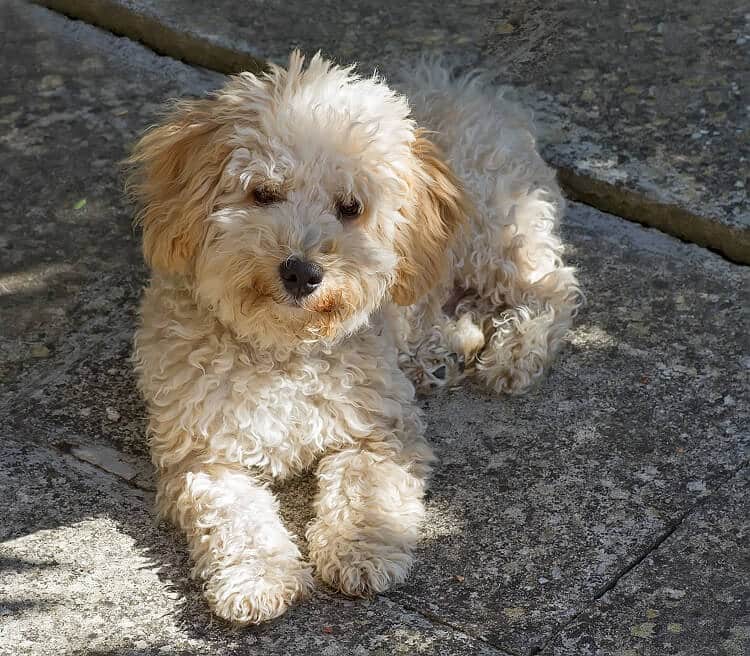
Cavapoos are affectionate, people-focused dogs, and that is both their charm and the root of many of their behavior problems. Bred from the Cavalier King Charles Spaniel and the Poodle, they are bright and eager to please, but they can also be sensitive, clingy and quick to bark when something changes. The good news is that most Cavapoo behavior issues respond well to consistent, reward-based training and a predictable routine.
Why Cavapoos bark
Barking is communication. Cavapoos commonly bark at noises, visitors, boredom or when they are left alone. Working out the trigger is the first step. Start with why your Cavapoo barks so much, and if you live in a flat, read why Cavapoos bark at every noise in an apartment.
Clinginess and separation anxiety
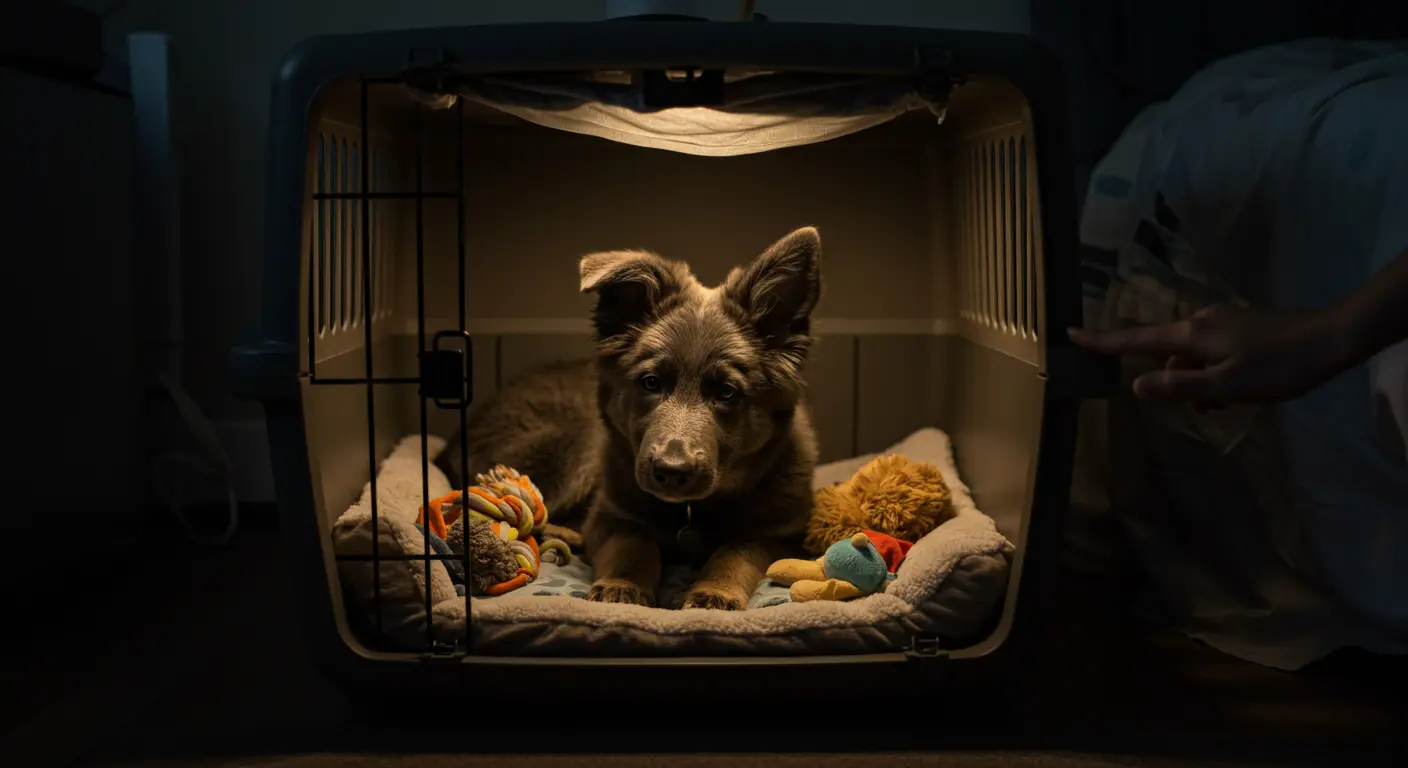
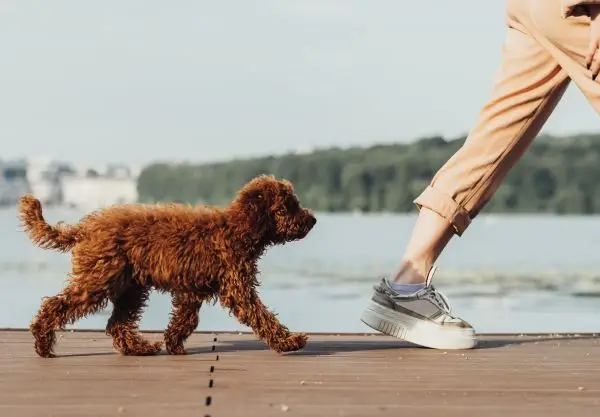
Many Cavapoos shadow their owners from room to room. A little closeness is normal, but distress when you leave is not. Our guides cover why Cavapoos are so clingy, why they follow you everywhere, and how to leave a Cavapoo alone without chaos. Night-time crying has its own causes in puppies and adults: see Cavapoo crying at night.
Energy, excitement and aggression
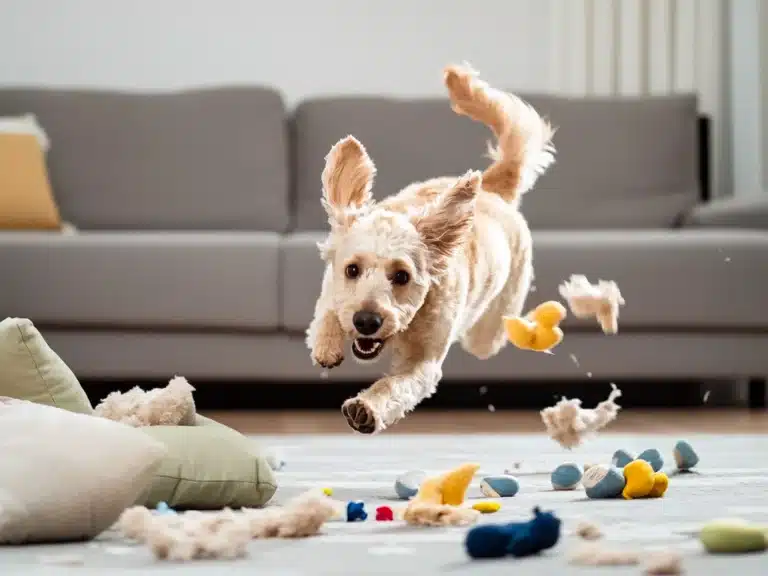
Cavapoos usually have moderate energy, but they can become overexcited indoors without enough mental and physical outlets. Learn how to calm an overexcited Cavapoo indoors and whether they are too hyper for working couples. If your dog suddenly turns snappy or aggressive, rule out pain or illness with your vet first, then read why a Cavapoo may turn aggressive around one year old.
A simple routine that prevents most problems
- Short, regular training sessions using treats, praise and play
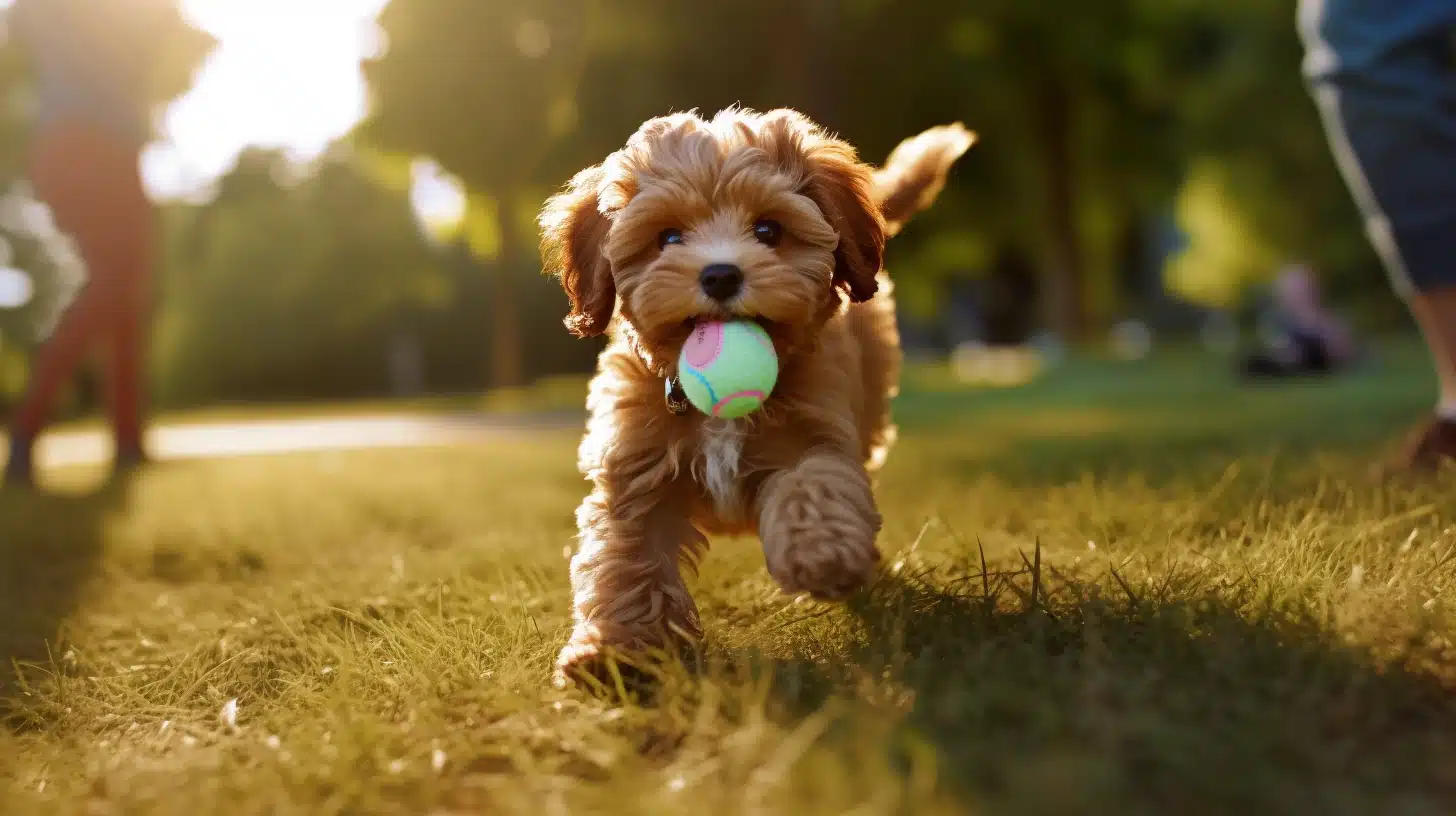
- Daily walks plus mental games such as sniffing, puzzle feeders or learning tricks
- Practice being alone in small steps, starting with a few minutes
- Calm, consistent responses; avoid punishment, which tends to increase anxiety
Cavapoo behavior questions, answered
Are Cavapoos easy to train? Generally yes. They are intelligent and eager to please, but they respond best to gentle, consistent methods.
Do Cavapoos get separation anxiety? They are prone to it because they bond closely with their people, so teaching them to be comfortable alone early helps.
Are Cavapoos good for first-time owners? Many first-time owners do well with them, provided they can give company, routine and patient training.
If a behavior change is sudden, or your dog seems in pain, speak to your vet or a qualified trainer or behaviourist.
All Cavapoo Behavior Guides