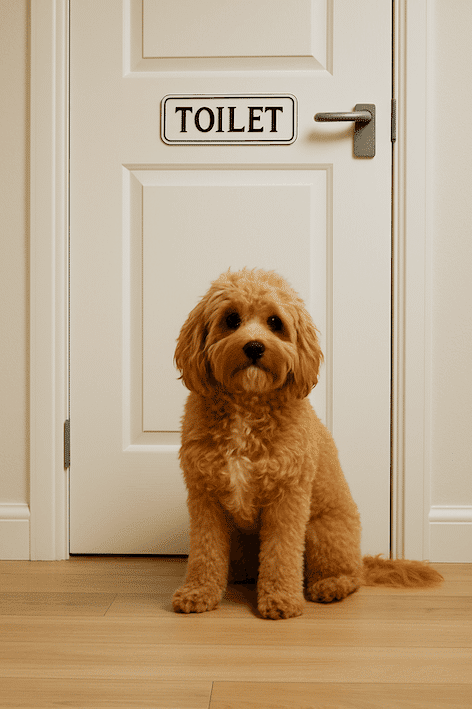
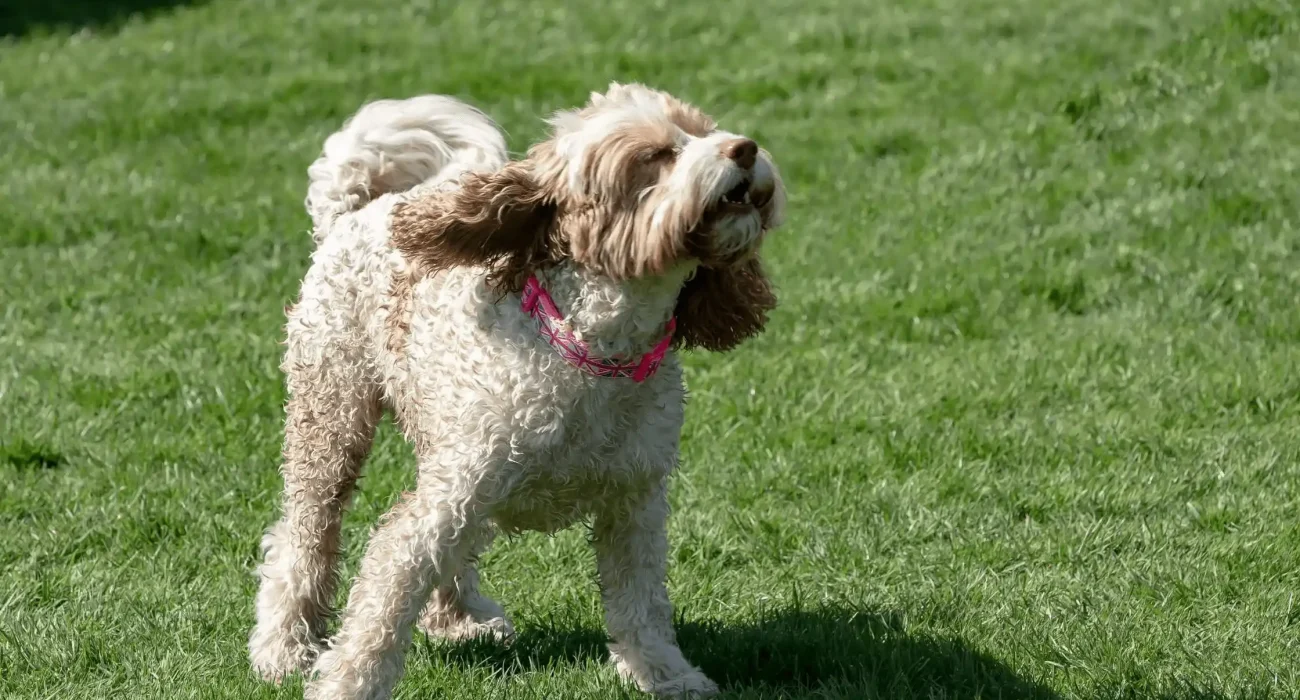
Cavapoo shaking can happen for many different reasons, from excitement and feeling cold to pain, anxiety, stomach problems, or ear infections. If your Cavapoo suddenly starts trembling for no obvious reason, this guide explains the possible causes, when to monitor your dog, and when veterinary care is needed.
You’re relaxing at home, your Cavapoo is right next to you… and suddenly they start shaking.
No loud noise. No obvious fear. No clear trigger.
Just trembling.
And now you’re stuck in that uncomfortable space between:
- “It’s probably nothing…”
- and
- “What if I’m missing something important?”
That tension is completely normal. Because with Cavapoos, shaking can be harmless… or it can be the first small sign of something bigger.
First, let’s clear this up (because this helps immediately)
Cavapoo shaking is always a symptom rather than a disease. Your dog may shake because of excitement, cold weather, anxiety, digestive upset, joint pain, or an underlying medical condition. Identifying the pattern and accompanying symptoms is the key to finding the real cause. The American Kennel Club explains that trembling in dogs can have both behavioral and medical causes.
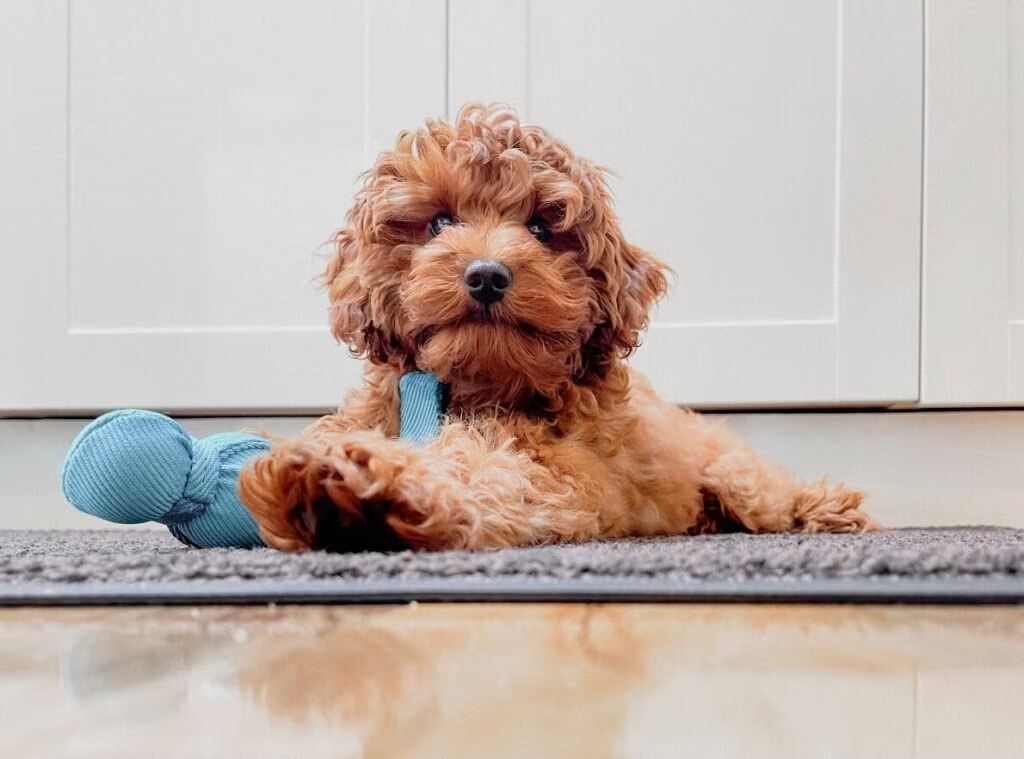
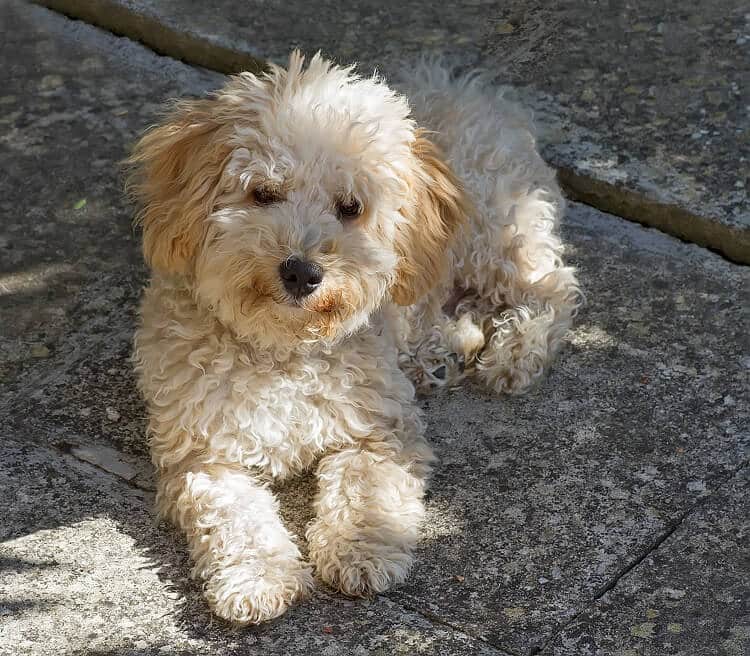
Image Source: petmd.com
Cavapoos don’t shake “for no reason.”
There is always a reason.
The tricky part?
That reason is often subtle, hidden, or easy to misinterpret.
A lot of owners initially assume:
- “They’re just cold”
- “They’re just anxious”
- “They always do this”
But later realize it was:
- early pain
- stomach discomfort
- ear infection
- or a pattern they didn’t notice yet
For example, one owner described their dog having random trembling episodes while still acting mostly normal—a confusing symptom explored in this Reddit thread about dogs trembling in low-stress environments—where it turned out to be mild anxiety triggered by small environmental changes they hadn’t initially noticed
So the goal here isn’t to panic.
It’s to spot patterns early and make better decisions faster.
What “Shaking” Actually Looks Like (And Why It Matters)
Before causes, you need to identify the type of shaking.
Because not all shaking means the same thing.
Common types:
- Quick shiver (seconds, then normal)
- Continuous trembling (like they’re cold)
- Leg shaking while standing still
- Head tremors (side-to-side or bobbing)
- Full-body shaking + other symptoms (panting, hiding, vomiting)
Important distinction:
- Shaking alone → often mild or temporary
- Shaking + behavior change → investigate
This one distinction will save you a lot of confusion.
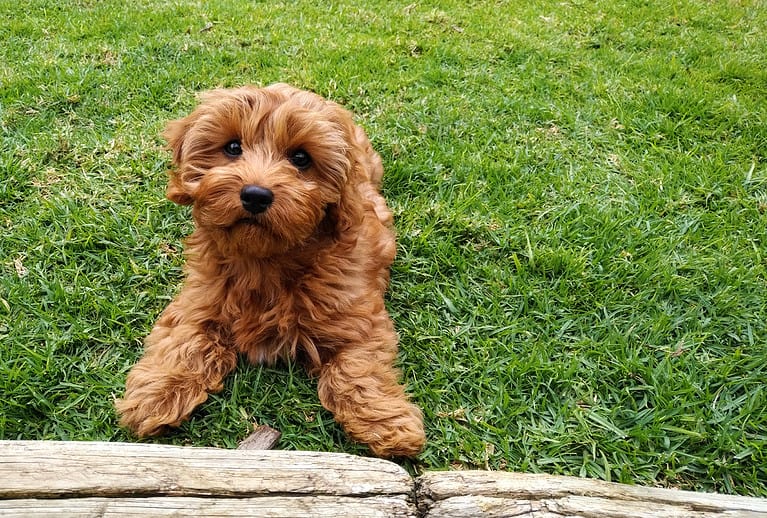
Image Source: IStock/Making connections
The Most Common Causes (With Clear Solutions)
While occasional Cavapoo shaking is often harmless, repeated trembling, shaking combined with vomiting, weakness, difficulty walking, or behavior changes should never be ignored. Observing when the shaking occurs helps your veterinarian diagnose the problem more quickly. Let’s go through the real reasons Cavapoos shake—and what to actually do about each one.
VCA Animal Hospitals recommends veterinary evaluation if shaking is accompanied by vomiting, weakness, or behavioral changes.
1) Cold (More Common Than You Think)
Cavapoos can look fluffy but still feel cold easily, especially:
- after grooming
- on tile floors
- early mornings or evenings
What it looks like:
- Trembling stops when warmed up
- Curling into a tight ball
- Seeking blankets or your lap
- Otherwise normal behavior
What to do:
- Move them to a warm, quiet spot
- Add a blanket or dog sweater
- Avoid cold surfaces
What not to do:
- Don’t assume indoor temperature = comfortable for them
- Don’t ignore shaking that continues after warming
2) Anxiety or Stress (The “Hidden Trigger” Problem)
This is one of the most common causes—and also the most misunderstood.
Cavapoos are sensitive. Sometimes extremely sensitive.
And the trigger might be something you barely notice:
- a new smell
- a new object
- a small routine change
- your stress level
- being alone more often
What it looks like:
- Shaking + panting
- Lip licking or yawning
- Clinginess or hiding
- Ears back, tail tucked
- Happens in specific situations
What helps:
- Calm, low-stimulation environment
- Consistent routine (same times, same patterns)
- Gentle confidence-building (not forced exposure)
- Lick mats, sniffing games, chew time
What not to do:
- Don’t over-comfort in a panicked way
- Don’t ignore repeated patterns
3) Excitement (Yes, They Shake When Happy)
Some Cavapoos shake because they’re overwhelmed—in a good way.
What it looks like:
- Tail wagging
- Bright, alert expression
- Happens before walks, treats, greetings
- Stops quickly
What to do:
- Nothing—this is normal
What not to do:
- Don’t hype them further if they’re already overstimulated
4) Pain (One of the Most Important Causes)
This is where you need to slow down and really observe.
Dogs often hide pain very well.
Shaking is sometimes one of the first signs.
A dog owner described their pet having subtle shaking with no visible injury—a confusing symptom detailed in this Reddit thread about mystery trembling and joint issues—which later turned out to be an intermittent joint issue like luxating patellas rather than simple anxiety.
Common pain sources:
- Back or neck strain
- Knee issues (very common in small breeds)
- Dental pain
- Ear infections
- Minor injuries
What it looks like:
- Restlessness or inability to settle
- Avoiding stairs or jumping
- Flinching when touched
- Quieter behavior
- Shaking worse with movement
What to do:
- Check movement and posture
- Limit activity
- Call your vet if anything feels “off”
What not to do:
- Never give human pain medication
5) Nausea or Stomach Issues (Very Common)
This is one of the biggest “hidden” causes.
Dogs can feel nauseous without vomiting.
What it looks like:
- Shaking + lip licking
- Drooling
- Turning away from food
- Gurgling stomach
- Eating grass
Common triggers:
- New food or treats
- Eating something outside
- Sudden diet changes
What to do:
- Offer water
- Keep things calm
- Monitor closely
What not to do:
- Don’t keep switching food randomly
- Don’t ignore repeated episodes
6) Low Blood Sugar (Important for Puppies)
Small dogs—especially puppies—can experience sudden drops in blood sugar.
What it looks like:
- Weakness
- Wobbling
- Shaking + low energy
- Acting “not fully present”
What to do:
- Call your vet immediately
What not to do:
- Don’t wait it out
7) Ear Problems (Very Common in Cavapoos)
Floppy ears + hair = perfect environment for irritation or infection.
What it looks like:
- Head shaking
- Ear scratching
- Smell or discharge
- Sensitivity
What to do:
- Vet diagnosis (yeast vs bacteria matters)
What not to do:
- Don’t use random home remedies
8) Allergies or Skin Irritation
Ongoing irritation can cause subtle shaking or restlessness.
What it looks like:
- Paw licking
- Face rubbing
- Red skin
- Recurring ear issues
What to do:
- Track patterns (seasonal, after walks, after food)
- Talk to your vet about a plan
9) Toxins (Immediate Action Required)
Sometimes shaking really does come “out of nowhere.”
But it’s actually exposure to something harmful.
Red flags:
- Shaking + vomiting
- Drooling
- Disorientation
- Trouble walking
What to do:
- Contact your vet or poison hotline immediately
What not to do:
- Don’t wait to see if it improves
10) Neurological Causes (Less Common, But Important)
Sometimes shaking is not emotional or physical discomfort.
What it looks like:
- Head tremors
- Repeated unexplained episodes
- Reduced awareness during episodes
What to do:
- Record a video
- Book a vet visit
What NOT to Do (This Prevents Bigger Problems)
These are the mistakes that make things worse:
- Ignoring repeated shaking
- Assuming it’s always anxiety
- Waiting days without tracking symptoms
- Giving human medication
- Changing food repeatedly without a plan
A Simple Plan You Can Follow Tonight
If your Cavapoo starts shaking:
1. Move them somewhere calm and warm
2. Offer water
3. Offer a small meal (especially if they skipped one)
4. Keep activity low
5. Watch for 30–60 minutes
6. Record video if it happens again
If it continues or repeats, call your vet.
When to Worry (Clear Red Flags)
Don’t wait if you see:
- Weakness or collapse
- Vomiting or diarrhea
- Pain signs (limping, crying)
- Pale or blue gums
- Trouble breathing
- Disorientation
- Possible toxin exposure
The Real Takeaway (What Actually Matters)
Most Cavapoo shaking falls into these categories:
- Cold
- Emotional response (stress or excitement)
- Pain or discomfort
- Stomach issues
- Medical causes (blood sugar, toxins, neurological)
The key is not the shaking itself.
It’s what else is happening at the same time.
Final Thought (The Part That Helps You Most)
Cavapoo shaking is not always a reason to panic, but it should never be ignored when it becomes frequent or is accompanied by other symptoms. Whether the cause is anxiety, cold temperatures, pain, digestive upset, or an ear infection, identifying the underlying trigger early helps your Cavapoo recover faster and stay healthy. If your Cavapoo:
- shakes briefly
- acts completely normal
- and it doesn’t repeat
You can usually monitor.
But if:
- it keeps happening
- it lasts longer
- or anything else feels “off”
That’s your signal to act.
And honestly, most owners who catch things early just paid attention to those small “this feels weird” moments.
FAQs (Frequently Asked Questions)
Why is my Cavapoo shaking for no obvious reason?
Cavapoos may shake for various reasons such as being cold, experiencing stress or anxiety, feeling excited, or due to pain or nausea. Even if there’s no clear trigger like thunder or vet visits, subtle factors like a new smell, changes in routine, or minor discomfort can cause trembling.
How can I tell if my Cavapoo’s shaking is normal or a sign of a problem?
Quick shivers that stop immediately and don’t affect your dog’s behavior are usually minor. However, if your Cavapoo is trembling along with other symptoms like panting, hiding, whining, vomiting, stiffness, or acting ‘off,’ it’s important to pay attention and consider consulting your vet.
What should I do if my Cavapoo is shaking because they’re cold indoors?
Cavapoos are small and may feel cold even indoors. Signs include shaking that stops when warmed up, curling up tightly, cool ears and paws, but otherwise normal behavior. To help, provide a warm spot with blankets or a dog sweater and avoid cold floors like tile.
Can anxiety cause my Cavapoo to shake even if I don’t notice any obvious stressors?
Yes! Cavapoos are sensitive and can be stressed by subtle changes like new smells (cleaners or perfumes), new objects in the home, visitors, or changes in routine. Anxiety-related shaking often comes with panting, lip licking, yawning, clinginess, pinned back ears, and tail tucking.
How do I know if my Cavapoo’s shaking is due to pain?
Pain-induced shaking may be accompanied by restlessness, reluctance to jump or move normally, flinching when touched, hunching the back or lowering the head, excessive licking of one spot, reduced playfulness or irritability. Check for limping, paw injuries, ear infections, dental issues gently at home and contact your vet if you suspect pain.
The Merck Veterinary Manual provides detailed information on neurological disorders, pain, and other medical conditions that may cause dogs to shake.
Is it normal for my Cavapoo to shake when excited?
Yes! Many Cavapoos exhibit ‘happy shakes’ when anticipating walks, treats, meeting people, or when you come home. This shaking usually comes with loose body language like tail wagging and bright eyes and stops once the exciting event begins. Excessive excitement leading to stress behaviors requires calm training routines.