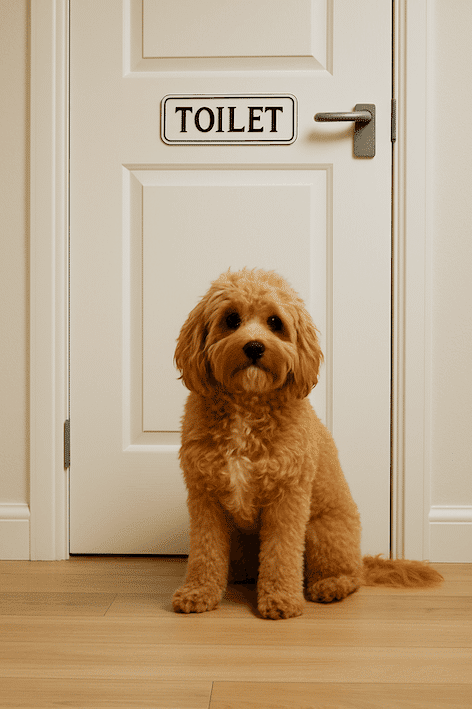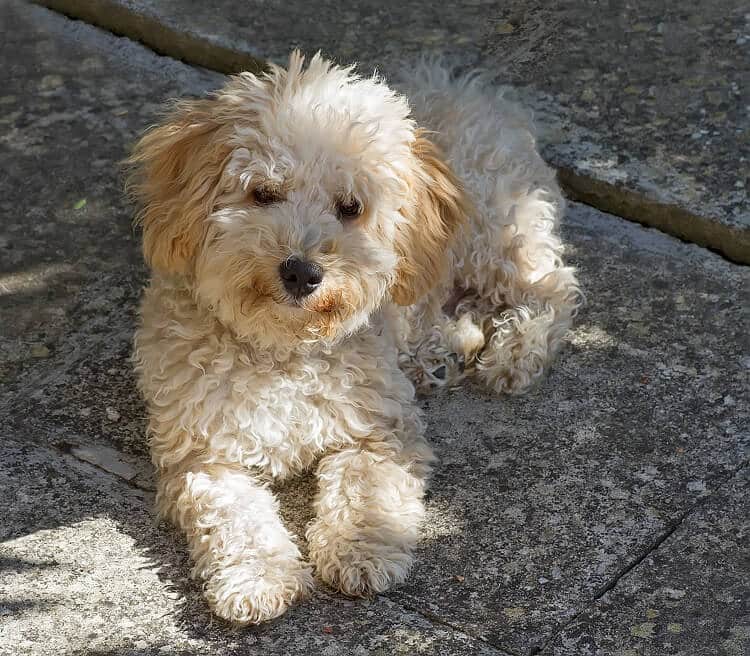
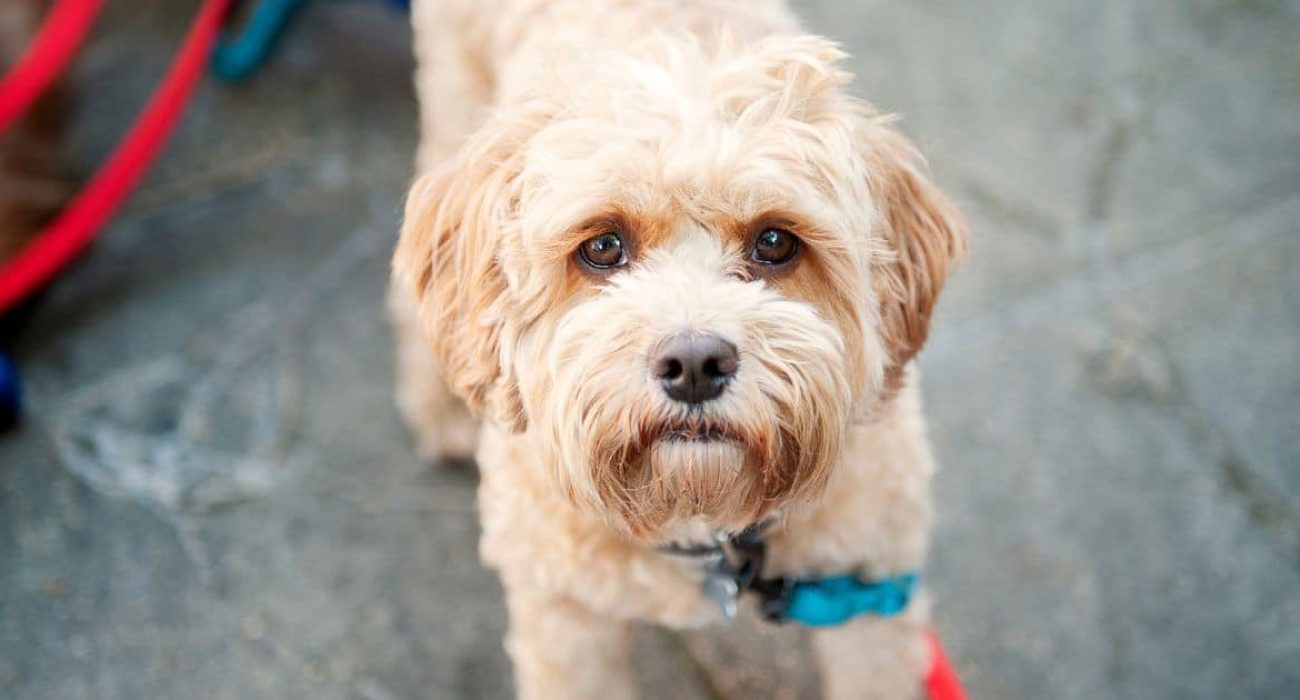
Cavapoo tear stains are one of the most common concerns for owners, especially in light-colored dogs. If you’ve noticed reddish-brown stains under your Cavapoo’s eyes, this guide explains the most common causes, effective treatments, and simple ways to prevent them from returning.
You already know the Cavapoo vibe. Soft, affectionate, always watching you like you’re the main character in their life.
And then one day… you notice it.
That rusty, reddish-brown staining under the eyes that makes your dog look like they’ve been quietly going through something emotional.
First: this is extremely common.
Second: it’s usually fixable.
Third: you don’t need to buy ten random “miracle” products.
Let’s break down what’s really causing it—and what actually works.
Quick Reality Check (Before You Try Fixing It)
Although Cavapoo tear stains are usually harmless, they can sometimes indicate allergies, blocked tear ducts, eye irritation, or excessive moisture around the face. Identifying the underlying cause is the key to reducing staining instead of simply hiding it.
Not all tear stains are just cosmetic.
If you see any of these, skip DIY and call your vet:
- Squinting or eye discomfort
- Thick yellow/green discharge
- Red or swollen eyelids
- Bad smell under the eyes
- Sudden tearing (especially one side only)
If your Cavapoo is acting normal and it’s mostly staining—not discharge or pain—you can usually fix it with the right routine.
Why Cavapoos Get Tear Stains So Often
Cavapoos are basically built for this issue:
- Light-colored fur shows stains easily
- Curly “teddy bear” faces trap moisture
- Facial hair can direct tears downward
- They’re prone to allergies and sensitivity
So this isn’t a hygiene problem.
It’s a mix of moisture + anatomy + triggers.
What Tear Stains Actually Are
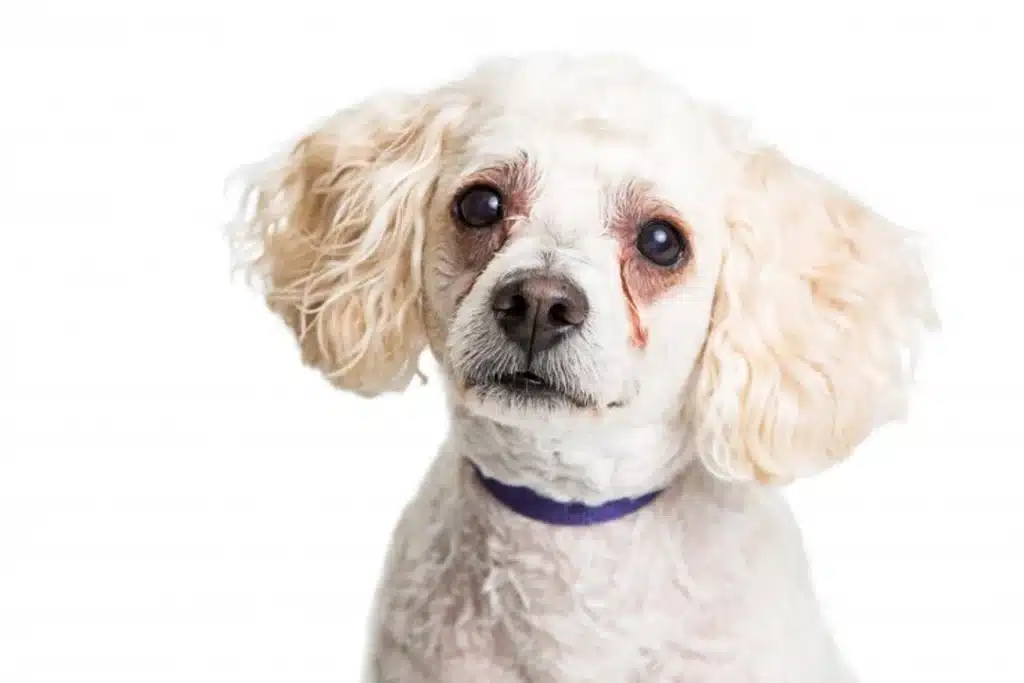
Image Source: pet4homes.co.uk
That reddish-brown color?
It usually comes from porphyrins—natural compounds in tears that contain iron.
When tears sit on fur, you get:
- Constant dampness
- Oxidation (color change)
- Yeast or bacteria buildup
So the goal isn’t just “clean the stain.”
It’s:
- Reduce tear overflow
- Keep the area dry
- Fix the underlying trigger
The American Kennel Club explains that excessive tearing may be caused by allergies, eye irritation, or blocked tear ducts in dogs.
The 5 Most Common Causes (And What To Do)
Before trying expensive tear stain removers, inspect your Cavapoo’s eyes, facial hair, and surrounding skin. Daily cleaning combined with proper grooming often produces better long-term results than constantly switching products.

Image Source: woofspark.com.au
1. Blocked or Narrow Tear Ducts
Tears are supposed to drain into the nose. If that system is slightly off, they spill onto the face.
What it looks like:
- Constant watery eyes (even as a puppy)
- Staining that never fully goes away
What helps:
- Vet check (important once)
- Tear duct flushing if needed
One Cavapoo owner shared that their dog had persistent staining from puppyhood that only improved after a vet confirmed partial tear duct blockage in this Reddit thread about chronic tear staining in Cavapoos.
What not to do:
- Don’t rely only on wipes—this is a drainage issue, not a cleaning issue
2. Eye Irritation (Hair, Dust, Grooming Products)
Cavapoo face hair is soft—and constantly tries to poke the eyes.
What it looks like:
- Tearing gets worse after grooming or baths
- More staining when hair grows longer
What helps:
- Keep hair trimmed away from eyes
- Avoid shampoo near the face
- Be careful with wind/dust exposure
What not to do:
- Don’t let hair “channel” tears into the fur
3. Allergies (The Hidden Driver)
This is one of the biggest causes people miss.
What it looks like:
- Tear stains + paw licking
- Ear infections or gunk
- Face rubbing or itchiness
- Seasonal flare-ups
What helps:
- Wipe face + paws after walks
- Wash bedding weekly
- Reduce dust and pollen exposure
- Consider vet-guided food trials
Another Cavapoo parent explained that tear stains only improved after addressing food sensitivities—not grooming—in this Reddit thread about allergy-related tear stains.
What not to do:
- Don’t treat it as purely cosmetic if other symptoms exist
4. Yeast or Bacteria Build-Up
Moist fur = perfect environment for microbes.
What it looks like:
- Smelly tear stains
- Sticky or crusty buildup
- Stains come back fast after cleaning
What helps:
- Daily gentle cleaning
- Always dry the area afterward
- Use vet-approved wipes if needed
What not to do:
- Don’t leave the area damp after wiping
5. Diet, Water, and Sensitivities (Sometimes Overhyped, Sometimes Real)
This one gets exaggerated—but it can matter.
What it looks like:
- Improvement after changing food or water
- Sensitive digestion alongside staining
What helps:
- Try filtered water for 2–4 weeks
- Use stainless steel bowls
- Choose consistent, high-quality food
What not to do:
- Don’t switch foods constantly—this makes things worse
The VCA Animal Hospitals guide explains common eye conditions that can cause excessive tearing and tear staining in dogs.
The Fix Plan (Simple + Actually Works)
If you want results without overthinking it, follow this order:
Step 1 — Vet Check (once)
Rule out infections, duct issues, or eye problems.
Step 2 — Fix the Hair
- Keep hair out of eyes
- Ask groomer for a “clean eye trim”
Step 3 — Daily Clean + Dry
- Wipe gently (30–60 seconds)
- Always dry after
Step 4 — Reduce Triggers
- Clean environment
- Watch grooming products
- Track patterns (seasonal, food, etc.)
Step 5 — Only Then Test Diet/Water Changes
- Give each change at least 2 weeks
What NOT to Do (Common Mistakes)
- Cleaning but not drying
- Letting hair touch the eyes
- Switching products every few days
- Using harsh chemicals near eyes
- Ignoring allergy symptoms
A Simple 14-Day Reset Plan
Days 1–3
- Take before photos
- Start daily wipe + dry routine
- Clean bowls daily
Days 4–7
- Trim eye area
- Keep face dry after drinking
Days 8–14
- Try filtered water
- Wipe after outdoor exposure
- Track symptoms (itching, ears, digestion)
Then compare results.
The Real Takeaway
Most Cavapoo tear stains come down to a few things:
- Tear drainage issues
- Irritation (especially hair)
- Allergies
- Moisture buildup
- Minor sensitivities
For many dogs, you won’t get a perfectly “white” face—and that’s normal.
Success looks like:
- Less tearing
- Clean, dry skin
- No smell or irritation
- Manageable staining
That’s a healthy, realistic goal.
The Merck Veterinary Manual provides detailed information about eye disorders, tear production, and ocular health in dogs.
Let’s Wrap This Up (The No Stress Strategy)
If you only remember one thing, remember this: tear stains are a moisture management problem first, and a root cause problem second.
Here’s the simple checklist that fixes most Cavapoo tear stains:
- Rule out medical issues with a vet eye check if symptoms look abnormal.
- Keep hair trimmed so it is not irritating the eyes.
- Wipe and fully dry the area every day.
- If staining keeps returning, investigate allergies and environmental triggers.
- Only then experiment with water and targeted products.
Do those in that order, and you will avoid the endless loop of buying random “tear stain miracle” bottles that never address why your Cavapoo is tearing in the first place.
Most Cavapoo tear stains can be improved by keeping the eye area clean, trimming facial hair, managing allergies, and treating any underlying medical problems early. With a consistent routine, most owners notice healthier skin, less tearing, and significantly reduced staining over time.
FAQs (Frequently Asked Questions)
Why do Cavapoos often develop reddish brown tear stains under their eyes?
Cavapoos commonly develop tear stains due to a combination of factors like shallow eye sockets, tight facial hair patterns directing moisture downward, light-colored porous coats that show stains quickly, and their fluffy ‘teddy bear’ faces that trap moisture close to the skin. These factors cause tears containing porphyrins (iron-containing compounds) to oxidize and stain the fur reddish brown.
Are tear stains on my Cavapoo always a sign of a health problem?
Not always. A little tear staining can be normal, especially in puppies or during seasonal changes. However, red flags such as squinting, pawing at eyes, thick yellow/green discharge, swollen eyelids, bad smell around eyes, sudden tearing increase on one side, or frequent ear infections indicate you should consult your vet.
What are the most common causes of tear stains in Cavapoos?
The main causes include blocked or narrow tear ducts causing tears to spill onto the face; eye irritation from hair, wind, shampoo or dust; allergies (both environmental and food-related); yeast or bacterial overgrowth in wet fur; dietary and water mineral content; and the dog’s facial structure and coat type which can promote tearing and staining.
How can I effectively reduce or prevent tear stains on my Cavapoo?
Start with a proper veterinary eye check to rule out medical issues. Then manage grooming by trimming face hair around eyes and using gentle products. Address allergies through vet-guided plans or elimination diets. Keep the eye area dry and clean consistently to prevent yeast/bacteria growth. Consider filtered water and high-quality diets if diet-related. Long-term management includes daily wiping and keeping the area dry.
Is tap water really responsible for causing tear stains in Cavapoos?
Tap water causing tear stains is often overhyped but can be a factor for some dogs sensitive to minerals in water. If you notice improvement after switching to filtered water, it might help reduce staining. However, it’s usually one part of a bigger picture involving allergies, facial anatomy, and grooming habits.
When should I seek veterinary care for my Cavapoo’s tear stains?
Seek veterinary care if your dog shows signs of discomfort like squinting or pawing at eyes; has thick yellow or green eye discharge; red or swollen eyelids; foul odor around eyes; sudden unilateral tearing increase; visible eye changes like cloudiness or scratches; or if tear staining coincides with frequent ear infections suggesting allergies.