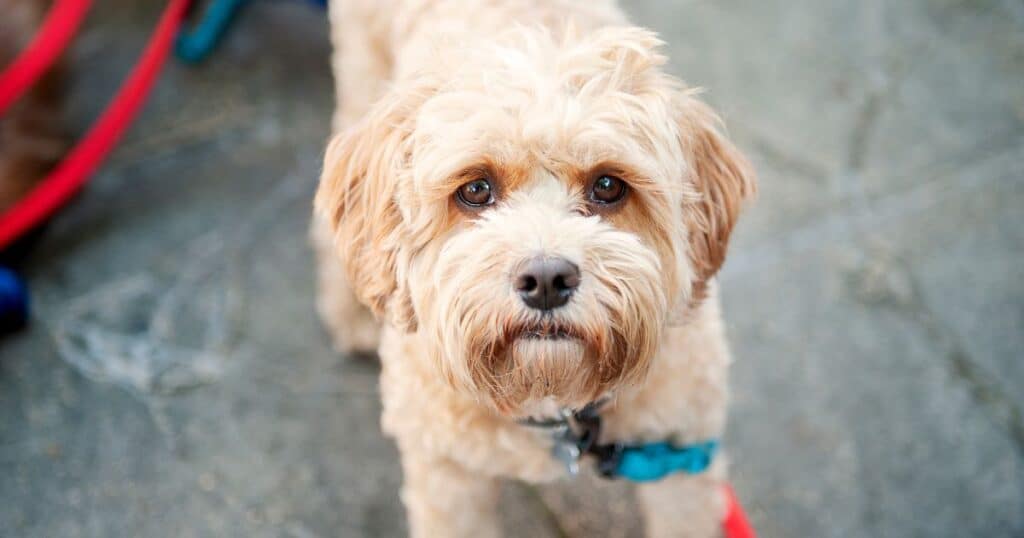
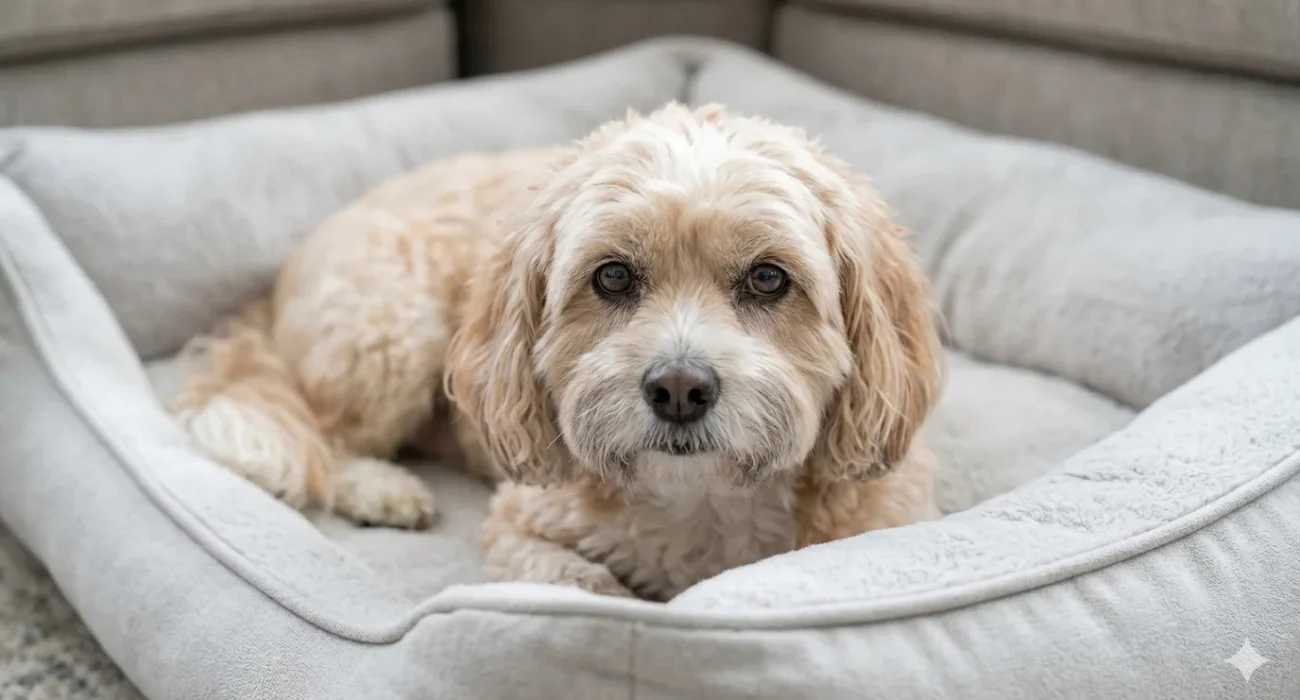
When is a Cavapoo considered senior? Most Cavapoos enter their senior years between 8 and 10 years of age, although every dog ages differently depending on genetics, lifestyle, and overall health. Understanding the early signs of aging helps you provide better care, improve mobility, and keep your senior Cavapoo comfortable for years to come.
If you have a Cavapoo, you’ve probably noticed something subtle over time.
One day they’re bouncing around like a tiny athlete… and then gradually, they start choosing the cozy spot over chaos. They still have that same sweet face, but the energy dial quietly turns down.
So the obvious question becomes:
When is a Cavapoo considered senior?
But the more useful question is:
What actually changes when they do — and what should you do about it?
Let’s break this down in a practical, real-life way so you know exactly what to look for and how to adjust.
The Short Answer (But With Context)
Most Cavapoos are considered seniors somewhere around 8 to 10 years old.
According to the American Kennel Club, small dog breeds like Cavapoos generally enter their senior years later than large breeds.
That’s the general guideline vets use for small to medium dogs. Since Cavapoos are typically in that size range, they age a bit slower than large breeds.
But here’s the important part:
- Not every Cavapoo hits “senior” at the same age.
Because a Cavapoo isn’t a standardized breed — it’s a mix of:
- Cavalier King Charles Spaniel
- Toy or Mini Poodle
So the real answer is:
Your Cavapoo becomes a senior when their body starts behaving like one — often between 8 and 10, but sometimes earlier or later.
Why Some Cavapoos Feel Older (or Younger) Than Others
1. Size Plays a Bigger Role Than You Think
Even within Cavapoos, size varies.
- Smaller Cavapoos (more Toy Poodle influence) often stay youthful longer
- Slightly larger ones (more Mini Poodle influence) may slow down earlier
So one Cavapoo might feel “senior” at 8… another at 10 or 11.
2. Genetics Influence How Aging Shows Up
Some dogs inherit more Cavalier traits, others more Poodle traits.
For example:
- Cavaliers are more prone to heart issues
- Poodles may have different aging patterns
That doesn’t make one better — it just changes how aging appears.
3. Lifestyle Can Speed Things Up (or Slow Them Down)
Two Cavapoos can be the same age and look completely different.
Big factors:
- Weight
- Daily movement
- Diet quality
- Dental health
- Early detection of problems
In fact, some owners are surprised when their dog suddenly “feels older” after weight gain or reduced activity — even if the age hasn’t changed much.
A Practical Aging Timeline for Cavapoos
Instead of focusing only on age, it helps to think in phases:
Adult (1–6 years)
- High energy
- Strong mobility
- Fast recovery
- “Prime years”
Mature / Middle-Aged (6–8 years)
This is where subtle changes begin:
- Slightly more sleeping
- Less jumping
- Slower warm-up on walks
- Easier weight gain
Many owners don’t even notice this phase at first.
Senior (8–10 years)
Now changes become clearer:
- Stiffness
- Lower stamina
- More naps
- New lumps or bumps
- Dental or digestion changes
For example, one owner shared in this Reddit thread that their Cavapoo suddenly started slowing down on walks and hesitating to jump, which ended up being early joint discomfort — not just “getting lazy.”
Geriatric (11+ years)
Not every dog reaches this stage the same way, but when they do:
- Mobility support becomes essential
- Chronic conditions are more common
- Vision and hearing decline increase
- Comfort becomes the top priority
The Most Reliable Signs Your Cavapoo Is Becoming a Senior
Age gives you a clue — but behavior tells you the truth.
Here’s what to watch for:
1. Slowing Down on Walks
You might notice:
- Lagging behind
- Shorter stride
- Less excitement
This can mean:
- Early arthritis
- Joint discomfort
- Heart strain
- Weight-related fatigue
2. Jumping Becomes “Thoughtful”
Instead of jumping instantly, they pause.
You might see:
- Hesitation before jumping
- Using alternative routes (ottomans, steps)
- More careful landing
That hesitation usually means discomfort, not laziness.
3. Sleeping More (and Deeper)
Senior dogs:
- Nap more often
- Wake up slower
- React less to noise
If sleep patterns flip (restless at night), it could signal discomfort or cognitive changes.
4. Weight Changes
This is one of the most important indicators.
- Weight gain → reduced activity
- Weight loss → potential red flag
Unexplained weight loss should always be checked.
5. Dental Issues Start Showing
Small breeds (including Cavapoos) are very prone to dental problems.
Signs:
- Bad breath
- Red gums
- Dropping food
- Chewing on one side
Some owners only realize how serious this is when behavior changes. For example, one Cavapoo owner discussed this in a Reddit thread and noticed their dog becoming picky and less energetic — which turned out to be dental pain.
6. Vision Changes
You might notice:
- Cloudy eyes
- Hesitation in low light
- Bumping into objects
Not always serious — but worth checking.
7. Hearing Decline
If your dog “ignores” commands more, test gently.
It’s often hearing — not stubbornness.
8. Increased Anxiety or Clinginess
Senior dogs may:
- Follow you more
- Get anxious alone
- Bark more
This is often due to:
- Sensory decline
- Pain
- Cognitive changes
How Long Do Cavapoos Usually Live?
Most Cavapoos live around 12 to 15 years, sometimes longer.
So if your dog is 8, you’re not nearing the end.
You’re entering the phase where small changes can add years of comfort and quality.
The Big Question: What Should You Actually Do Differently?
This is where things really matter.
1. Switch to Twice-Yearly Vet Visits
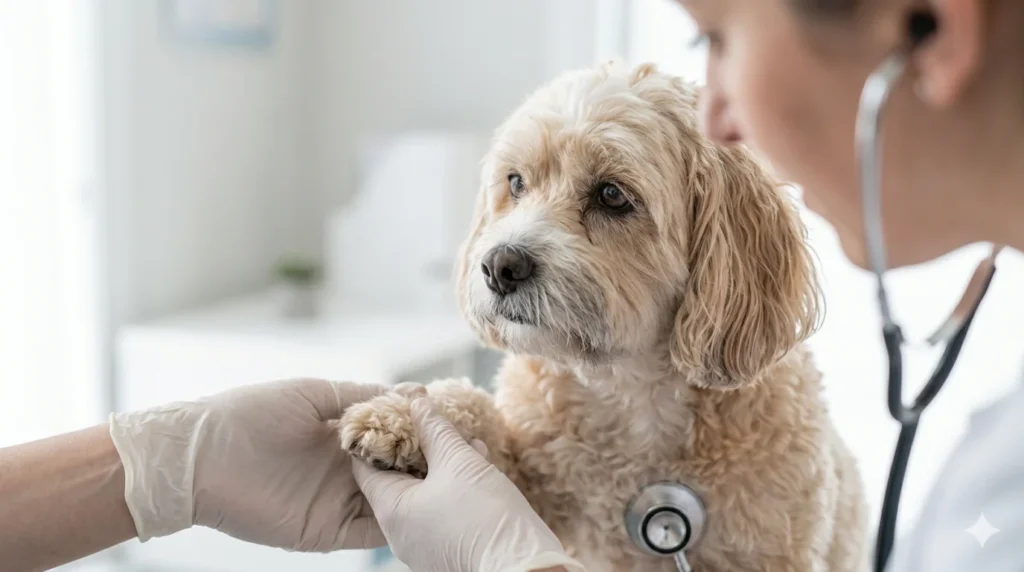
Senior dogs change faster.
Instead of yearly visits, go every 6 months.
Typical checks:
- Physical exam
- Weight tracking
- Dental check
- Bloodwork
- Urine test
- Heart monitoring
Early detection = easier management.
2. Make Weight Control a Priority
Extra weight means:
- More joint pain
- Less mobility
- Higher health risks
Simple rule:
You should feel ribs easily without pressing hard.
3. Adjust Exercise (Don’t Reduce It Completely)
Seniors don’t need less movement — they need smarter movement.
Try:
- 2–3 shorter walks instead of one long one
- Slower pace
- More sniff breaks
- Gentle warm-up
Consistency matters more than intensity.
4. Upgrade Your Home for Comfort
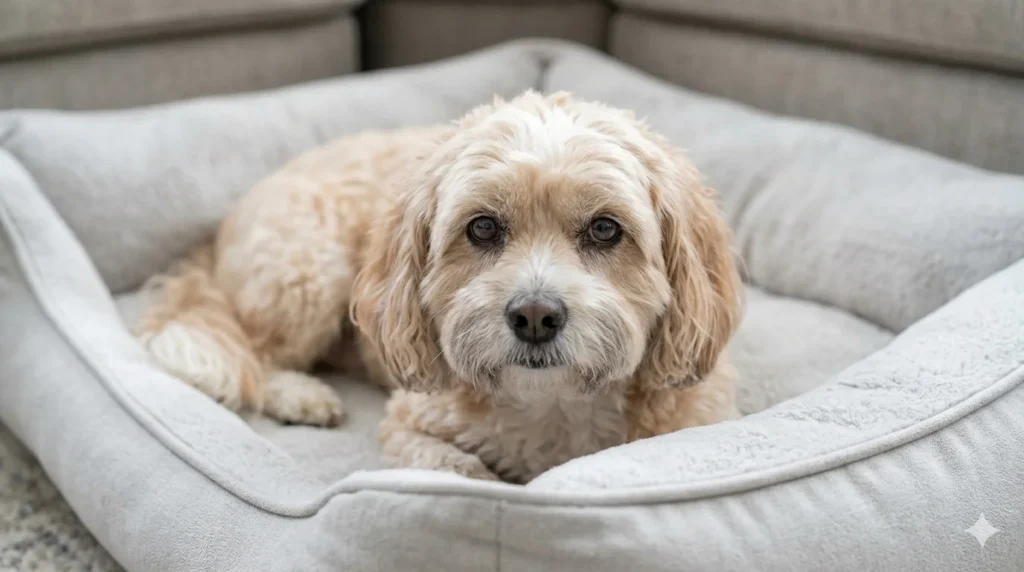
Small changes = big differences.
- Orthopedic bed
- Ramps or stairs
- Rugs on slippery floors
- Possibly raised bowls
Slipping on floors is a hidden cause of joint stress.
5. Take Dental Care Seriously
This is one of the biggest quality-of-life factors.
Options:
- Daily brushing
- Vet-approved chews
- Professional cleanings
Dogs with healthy mouths often act years younger.
6. Support Joints Early
Don’t wait for obvious pain.
Talk to your vet about:
The Canine Arthritis Resources website explains how early mobility support can improve comfort and quality of life in aging dogs.
- Early arthritis support
Common issues:
- Patellar luxation
- Arthritis
7. Adjust Diet Thoughtfully
“Senior food” isn’t automatically better.
Focus on:
- Weight management
- Digestibility
- Specific health needs
Always transition slowly.
Common Senior Health Concerns (Without Panic)
Heart Issues:
Watch for:
- Coughing
- Reduced stamina
- Breathing changes
Joint Problems:
- Stiffness
- Reluctance to move
- Posture changes
Dental Disease:
Extremely common — don’t ignore it.
Cognitive Changes:
Some dogs develop confusion or behavior changes.
“Is My Cavapoo Old at 7?”
Usually not fully senior — but close.
At 7, you should:
- Start baseline bloodwork
- Focus on dental care
- Watch movement changes
- Manage weight carefully
Think of it as a prevention phase.
“My Cavapoo Is 10 and Still Acts Like a Puppy”
Totally normal.
But remember:
- Acting young doesn’t always mean feeling young.
- Dogs hide pain well — so routine checks still matter.
The Mindset Shift That Helps Most
You’re not trying to keep your dog “young forever.”
You’re trying to keep them:
- Comfortable
- Confident
- Pain-free
That means:
- Less impact (jumping)
- More steady movement
- Better support at home
- More proactive care
And honestly, this stage is special.
Senior Cavapoos are often:
- Calmer
- More affectionate
- More connected to you
Let’s wrap this up (so you know exactly what to do next)
A Cavapoo is typically considered a senior around 8 to 10 years old, with many living 12 to 15 years (sometimes longer).
If your Cavapoo is approaching that age, the best things you can do are not complicated:
Start twice-a-year vet visits
The AAHA Senior Care Guidelines recommend twice-yearly wellness exams for senior dogs to detect age-related health problems early.
Keep them lean
Make exercise consistent and joint-friendly
Upgrade the house with ramps, rugs, and a good bed
Treat dental care like it matters, because it does.
FAQs (Frequently Asked Questions)
At what age is a Cavapoo generally considered a senior dog?
Most Cavapoos are considered seniors around 8 to 10 years old. This range reflects their small to medium size and mixed genetics from Cavalier King Charles Spaniel and Poodle breeds, which influence their aging pace.
Why does the senior age range vary among different Cavapoos?
The senior age range varies due to factors like size (smaller Cavapoos tend to age slower), genetics (the mix of Cavalier and Poodle traits affects health and aging), and lifestyle factors such as weight, daily activity, dental health, diet quality, and early detection of health issues.
What behavioral changes indicate my Cavapoo is entering their senior years?
Signs include slowing down on walks with shorter strides or lagging behind, hesitating before jumping up or down from furniture, increased and deeper sleeping with slower wake-ups, noticeable weight gain or loss, and emerging dental problems like bad breath or tartar buildup.
How does lifestyle impact the aging process of a Cavapoo?
Lifestyle greatly influences aging; maintaining a healthy weight, consistent daily activity, good dental care, high-quality diet, and early detection of health issues can help keep your Cavapoo feeling younger longer and slow down the aging process.
What are common physical signs that my Cavapoo has become a senior?
Physical signs include stiffness or lower stamina during activities, new lumps or bumps appearing on the body, dental or digestive changes, more frequent naps, and increased sensitivity to routine changes.
What special care should I provide for my senior Cavapoo?
Senior Cavapoos may need mobility support due to stiffness or arthritis, regular veterinary check-ups for chronic conditions common in older dogs, attention to hearing and vision decline, adjustments in diet and exercise to accommodate decreased stamina, and prioritizing comfort and consistent routines.