Common Cockapoo health issues include ear infections, allergies, dental disease, joint problems, eye conditions, obesity and digestive disorders. Learning to recognise the early warning signs can help your Cockapoo stay healthier and reduce the risk of more serious medical problems.
They’ll still wag their tail, still eat like nothing’s wrong, still follow you around like usual. Meanwhile, a small issue—an itchy ear, a sensitive stomach, a sore joint—is quietly building in the background.
That’s why so many Cockapoo owners end up saying:
“I wish I had caught this earlier.”
If you’ve ever felt like something is slightly off but hard to explain, you’re not overthinking—you’re noticing early signals.
Let’s walk through the most common Cockapoo health issues in a real-life, practical way—what they actually look like at home, why they happen, and what you can do before things escalate.
What Are the Most Common Cockapoo Health Issues?
The most common Cockapoo health issues include ear infections, skin allergies, dental disease, patellar luxation, joint problems, eye disorders, heart disease, separation anxiety, digestive problems and obesity. Early detection, routine veterinary care and preventative health checks help reduce complications and improve your Cockapoo’s quality of life.
First—are Cockapoos generally healthy?
They can be—but it’s not guaranteed.
Because they’re a mix of Cocker Spaniel and Poodle, they sometimes benefit from a wider gene pool. But they can also inherit problems from both sides.
That includes:
- Ear and heart issues (Cocker Spaniel side)
- Eye and joint conditions (Poodle side)
- Common small-dog issues like dental disease
And one thing that makes a huge difference: breeding quality.
Two Cockapoos can look identical—but have completely different long-term health depending on their genetics.
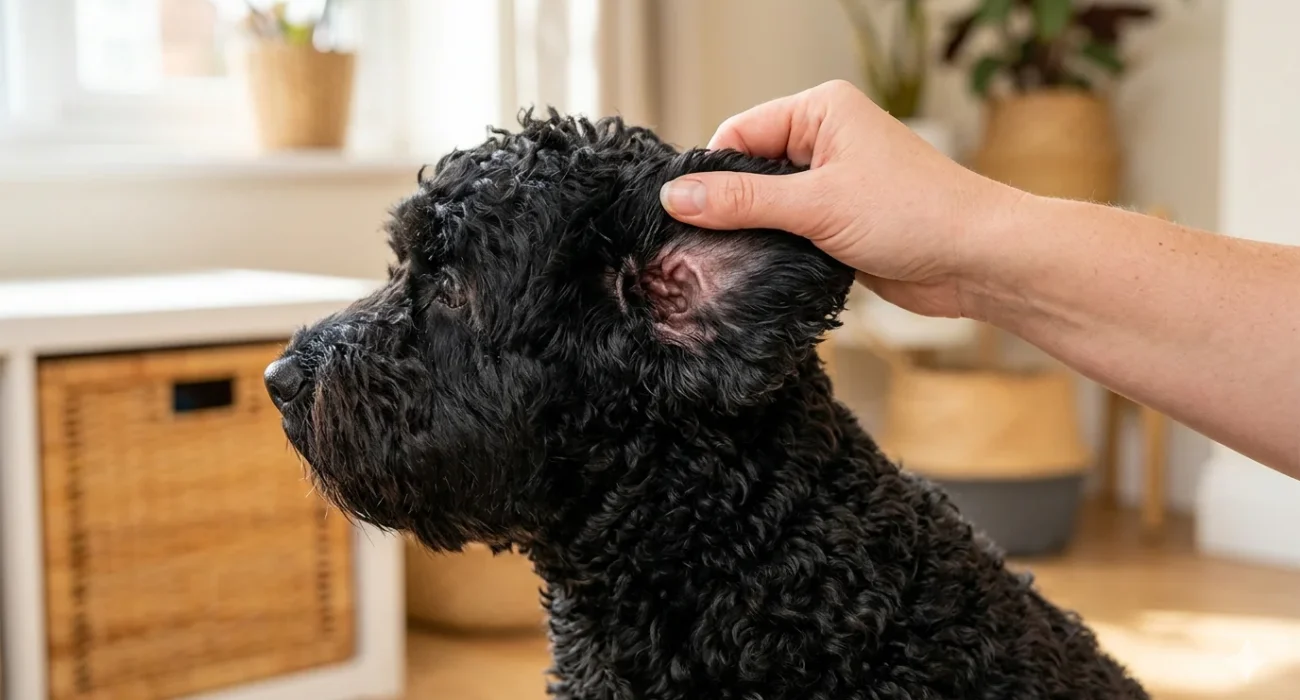
1. Ear infections (the issue that keeps coming back)
If there’s one problem that defines Cockapoos, it’s this.
What it looks like in real life:
- Repeated head shaking (especially after rest or walks)
- Scratching one ear more than the other
- A sour, musty, or “corn chip” smell
- Sticky or waxy discharge
- Pulling away when you touch the ear
Sometimes the signs are subtle at first.
One owner discussed in this Reddit thread that their dog kept shaking his head constantly for days, even though the ears didn’t look obviously dirty—and it still turned out to be an ear issue deeper inside the dog shaking its head frequently with no obvious signs.
That’s exactly how these infections sneak up.
Why it happens:
Cockapoos have the perfect storm:
- Floppy ears = less airflow
- Hair in the ear canal = traps debris
- Love for water/mud = added moisture
- Allergies = ongoing inflammation
What actually helps: (practical routine)
- After every bath/swim: gently dry the outer ear
- Weekly check: look + smell (you’ll learn what’s “normal”)
- Preventive cleaning: only if your vet recommends it
- Grooming: keep hair trimmed around the ear opening
If infections keep returning, stop treating just the symptom—look for allergies.
What not to do:
- Don’t ignore mild head shaking
- Don’t over-clean aggressively (can irritate more)
- Don’t rely on home remedies once infection starts
- The American Kennel Club’s guide to ear infections in dogs explains the common symptoms, causes and treatment options for recurring ear problems.
2. Allergies (the hidden root of multiple problems)
If your Cockapoo is “always a little itchy,” allergies are often behind it.
What it looks like: day-to-day
- Licking paws constantly (often stained reddish-brown)
- Scratching without fleas
- Recurrent ear infections
- Belly rashes or red inner thighs
- Hot spots that appear suddenly
One owner described in this Reddit discussion about chronic paw licking how their dog licked their paws obsessively for months. They tried various shampoos and diets until they realized the dog needed a structured allergy approach—targeting the diet and the environment simultaneously—rather than just guesswork.
Why it happens:
- Environmental: pollen, dust, mold
- Food sensitivities: chicken, beef, dairy (grains less common than people think)
- Flea allergy: even one bite can trigger days of itching
What actually helps: (realistic plan)
- Start with flea prevention (always rule this out first)
- Try a strict elimination diet (8–12 weeks, no cheating)
- Wipe paws + belly after walks
- Use vet-prescribed meds if itching is constant
- The Merck Veterinary Manual’s guide to allergic skin disease in dogs explains how environmental and food allergies affect a dog’s skin and why accurate diagnosis is important.
What not to do:
- Don’t keep switching foods randomly
- Don’t rely only on supplements
- Don’t wait months hoping it “goes away”
3. Dental disease (quiet, but affects whole-body health)
This one builds slowly—and gets expensive if ignored.
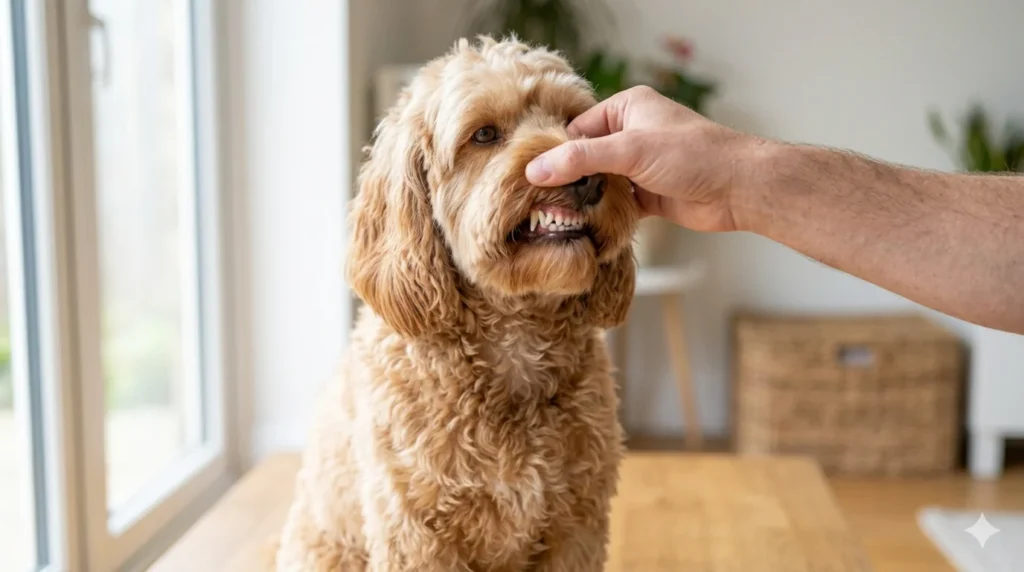
What it looks like:
- Breath that keeps getting worse
- Yellow/brown buildup near gums
- Red or swollen gums
- Chewing differently or slower
Why it matters:
Dental disease isn’t just cosmetic—it’s bacteria under the gums that can affect organs over time.
What actually helps:
- Brush teeth at least 3–4 times a week
- Use dog-safe toothpaste only
- Add dental chews as support
- Plan professional cleanings when needed
- The VCA Animal Hospitals guide to dental disease in dogs explains why regular dental care is essential for your dog’s overall health.
What not to do:
- Don’t assume eating normally = no pain
- Don’t rely only on chews
4. Patellar luxation (the “skipping leg” issue)
Very common in smaller breeds.
What it looks like:
- Skipping on one back leg for a few steps
- Suddenly lifting a leg, then walking normally
- Occasional yelp during movement
Why it happens:
The kneecap slips out of its groove temporarily—often due to genetics.
What actually helps:
- Keep your dog lean (huge impact)
- Limit repeated jumping from height
- Use ramps if needed
What not to do:
- Don’t ignore early signs—it can worsen over time
5. Joint issues and hip discomfort
Even without full hip dysplasia, wear and tear adds up.
What it looks like:
- Slower getting up
- Hesitation with stairs or jumping
- Less enthusiasm for walks
What actually helps:
- Weight management (most important factor)
- Joint supplements (support, not cure)
- Regular, controlled exercise
What not to do:
- Don’t over-exercise puppies
- Don’t wait until movement changes are obvious
6. Eye problems (time-sensitive issues)
Cockapoos can inherit several eye conditions.
What it looks like:
- Cloudiness
- Squinting or blinking more
- Discharge or redness
- Trouble seeing in low light
What actually helps:
- Keep hair trimmed around eyes
- Regular vet checks
- Act immediately if something changes
What not to do:
- Don’t “wait and see” with eye symptoms
7. Heart issues (especially as they age)
What it looks like:
- Coughing (often at night)
- Lower stamina on walks
- Faster breathing at rest
What actually helps:
- Routine monitoring
- Medication if needed
- Keeping weight in check
8. Separation anxiety (affects health too)
Cockapoos are deeply attached to their people.
What it looks like:
- Barking or howling when you leave
- Destructive chewing
- Accidents only when alone
Why it matters:
Chronic stress affects:
- Sleep
- Digestion
- Skin health
What actually helps:
- Gradual alone-time training
- Enrichment (food puzzles, sniffing)
- Support if severe (trainer or vet)
What not to do:
9. Sensitive stomach & GI issues
Very common—and often inconsistent.
What it looks like:
- Loose stool that comes and goes
- Occasional vomiting
- Gas or appetite changes
What actually helps:
- Slow food transitions (7–10 days)
- Keep diet consistent
- Test for parasites if recurring
What not to do“
- Don’t rely on probiotics long-term without results
10. Obesity (the problem that makes everything worse)
Cockapoos gain weight easily—and act hungry all the time.
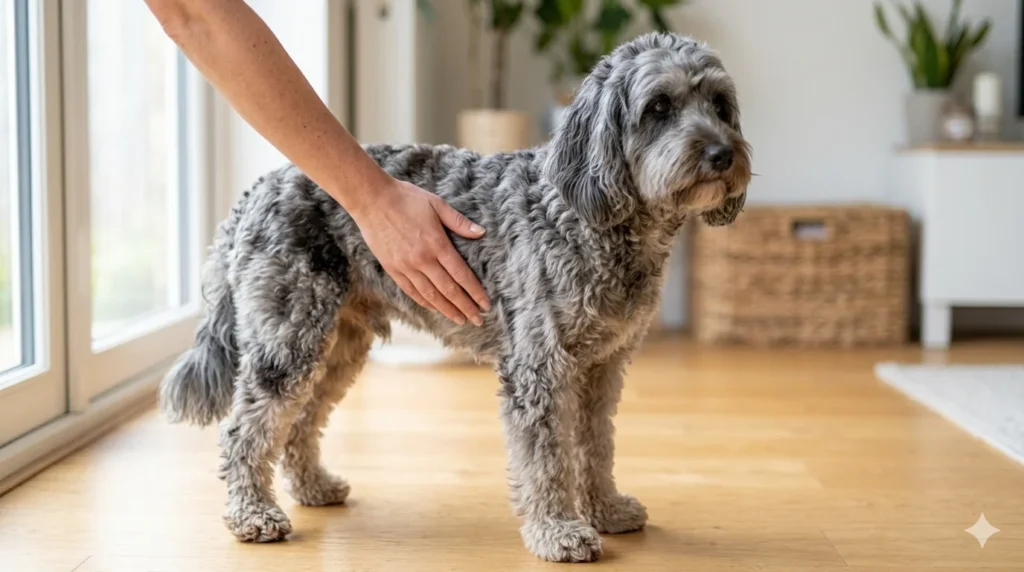
Signs:
- Hard to feel ribs
- No waist
- Gets tired faster
What actually helps:
- Measure meals (don’t eyeball)
- Use kibble as treats
- Increase daily movement
What you can do tonight (Simple Action Plan)
If you want a practical reset, do this:
- Check ears (look + smell)
- Brush teeth (even briefly)
- Feel ribs (quick weight check)
- Watch for licking, redness, or behavior changes
These small habits prevent bigger problems.
When to stop Googling and go to the vet
Go sooner if you notice:
- Persistent head shaking
- Squinting or cloudy eyes
- Repeated vomiting or diarrhea
- Limping that keeps coming back
- Breathing changes
Early action saves stress, money, and discomfort.
The honest takeaway
Cockapoos aren’t fragile—but they do have predictable weak spots:
- Ears
- Skin and allergies
- Teeth
- Joints
- Weight
If you stay consistent with those areas, you’ll prevent most common issues—or catch them early when they’re much easier to manage.
You don’t need to be perfect.
Just observant… and willing to act when something feels even slightly off.
FAQs (Frequently Asked Questions)
Are Cockapoos generally healthier than purebred dogs?
Cockapoos, being a mixed breed of Cocker Spaniel and Poodle, can sometimes benefit from “hybrid vigor,” meaning they may have a diluted risk of some inherited health issues. However, they are not immune to health problems and can inherit conditions common in both parent breeds as well as those typical in small to medium dogs. Breeding practices also play a significant role in their overall health.
Why are ear infections so common in Cockapoos and how can I recognize them?
Ear infections are the most frequent health issue in Cockapoos due to their floppy ears, hair growth around the ear canal, and love for water and outdoor smells, creating a moist environment ideal for yeast and bacteria. Signs include head shaking, ear scratching, redness inside the ear, sour smell, brown or yellow discharge, sensitivity to touch, often worse in one ear.
What causes allergies in Cockapoos and how do they typically present?
Cockapoos can suffer from environmental allergies (pollen, dust mites), food allergies (common triggers include chicken, beef, dairy), and flea allergy dermatitis. Allergies usually manifest as skin problems like constant paw licking with rusty stains, red itchy skin, recurrent ear infections, hot spots, scooting or face rubbing. Identifying and managing the cause is crucial.
How can I prevent or manage chronic ear infections in my Cockapoo?
To prevent chronic ear infections: always dry your dog’s ears thoroughly after baths or swimming; consult your groomer or vet about trimming hair around the ear canal; use vet-approved ear cleaners weekly if prone to infections; and investigate underlying causes like allergies with your vet for proper treatment.
What are the signs of dental disease in Cockapoos and how can I keep their teeth healthy?
Dental disease signs include worsening bad breath, yellow or brown plaque buildup, red swollen gums, dropping food while eating, pawing at the mouth, or bleeding gums. To maintain dental health: brush your Cockapoo’s teeth ideally daily (at least 3-4 times per week) with dog-safe toothpaste; provide dental chews as supplements; and schedule periodic professional cleanings with your vet.
What steps should I take if my Cockapoo is constantly itchy due to allergies?
If your Cockapoo is persistently itchy: start with effective flea control even if fleas aren’t visible; discuss an elimination diet with your vet to identify food sensitivities (lasting 8-12 weeks); wipe paws and belly after walks during high pollen seasons; consider medications like Apoquel or Cytopoint injections; and for chronic cases explore dermatology testing and immunotherapy with your veterinarian for a comprehensive allergy management plan.