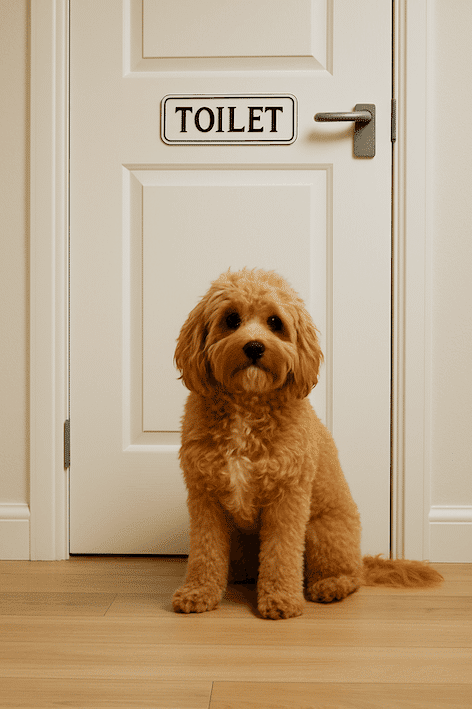

Cockapoo Lifespan & Aging Stages: Understanding Cockapoo lifespan and aging stages can help you give your dog the right care at every age. Most Cockapoos live between 12 and 15 years, although some reach 16 or older with healthy genetics, weight management, dental care and regular veterinary support. If you have a Cockapoo (or you’re about to bring one home), you’ve probably already asked the big question:
“How long do Cockapoos live?”
And right after that comes the real one:
“How do I keep mine healthy for as long as possible?”
Because lifespan isn’t just a number. It’s a timeline — full of small changes, habits that quietly add up, and decisions that either support your dog long-term… or slowly work against them.
Let’s break this down in a way that actually helps: how long Cockapoos live, what aging looks like stage by stage, and what you can do at each phase to give your dog the best possible life.
Quick Answer: How Long Do Cockapoos Live?
Most Cockapoos live between 12 and 15 years. Toy Cockapoos may live around 13 to 16 years, Mini Cockapoos approximately 12 to 15 years, and larger Cockapoos around 11 to 14 years. Genetics, size, weight, dental health and preventive care all influence longevity.
Most Cockapoos live 12 to 15 years.
It’s also not unusual to see them reach 16+ years, especially if they:
- Stay lean
- Get consistent vet care
- Have decent genetics
- Avoid chronic issues like dental disease and obesity
That said, Cockapoos vary a lot because they’re a mix (Cocker Spaniel + Poodle). Lifespan can shift based on:
- Size (toy, mini, standard)
- Genetics (eyes, joints, heart)
- Weight and lifestyle
- Dental and ear care
- Breeding quality
So instead of thinking “how many years,” it’s more useful to think:
What stage is my dog in, and what should I focus on right now?
Cockapoo Lifespan by Size (Why It Matters)
In general, smaller dogs live longer.
- Toy Cockapoo: ~13–16 years
- Mini Cockapoo: ~12–15 years
- Standard Cockapoo: ~11–14 years
Bigger dogs tend to have more joint stress and slightly faster aging patterns.
Simple takeaway: You can’t control genetics completely, but you can massively influence how well your Cockapoo ages through weight, dental care, and daily habits.
The 5 Biggest Factors That Shape Your Cockapoo’s Lifespan
Before stages, these are the real “make or break” factors:
1. Weight (This Is the Big One)
Even mild long-term weight gain:
- Strains joints
- Increases inflammation
- Raises risk for heart and metabolic issues
You should feel ribs easily and see a waist from above.
2. Dental Disease
Not just bad breath — it’s chronic inflammation that can affect:
- Heart
- Kidneys
- Overall health
If you do one extra thing: brush teeth.
3. Ear Infections
Cockapoos are prone due to:
- Floppy ears
- Hair in the canal
- Moisture buildup
Left unmanaged → chronic, recurring problem.
4. Joint Health
Common issues:
- Luxating patella
- Arthritis
- General wear and tear
Weight + consistent movement matters more than supplements.
5. Genetics
Better breeding = better starting point.
But even if your dog didn’t come from ideal lines, daily care still makes a huge difference.
Cockapoo Aging Stages (What Changes + What to Do)
Stage 1: Puppy (0–12 Months)
What’s happening:
- Rapid growth
- Learning everything
- Developing joints and immune system
Common struggles:
- Biting, chewing
- Sensitive stomach
- Early ear gunk
- Separation anxiety
Many owners go through this phase wondering if they’re doing something wrong — especially with anxiety and sleep issues. One owner shared in thisReddit discussion about Cockapoo nighttime distress and how their puppy struggled with settling and anxiety when separated at night. This is a common developmental hurdle for the breed, often requiring a gradual ‘scent and distance’ approach to build the puppy’s confidence in sleeping alone.
What to focus on:
- Gentle socialization (not overwhelming)
- Grooming tolerance (huge for life)
- Lean growth (not overfeeding)
- Early dental habits
Goal: confident, calm, easy-to-handle dog.
Stage 2: Adolescence (1–2 Years)
What’s happening:
- Hormones kick in
- Energy spikes
- Adult coat develops
Common struggles:
- Pulling on leash
- Reactivity
- Ear infections starting
- Selective hearing
What to do:
- Build joint-friendly exercise routines
- Stay consistent with training
- Start proper ear care early
- Address allergies if signs appear
This is where habits become long-term patterns.
Stage 3: Young Adult (2–6 Years)
This is peak Cockapoo life.
What’s happening:
- Stable energy
- Established routines
- Early health issues can quietly begin
Common issues:
- Slow weight gain
- Dental tartar buildup
- Seasonal allergies
Another common pattern owners talk about is how subtle weight gain sneaks up during these years—a phenomenon captured in this Reddit discussion about managing hidden weight gain—where a little less exercise and a few extra treats lead to a dog that suddenly feels heavier and less active than they used to be.
What to do (this stage matters most long-term):
- Keep them lean on purpose
- Stay consistent with dental care
- Monitor ears and skin
- Do proper annual vet checkups
This is your “protect the future” window.
Stage 4: Mature Adult (6–9 Years)
What’s happening:
- Slower metabolism
- Early joint stiffness
- Recovery takes longer
Common signs:
- Slight stiffness after rest
- Less tolerance for intense play
- New lumps (often benign, but check them)
What to do:
- Shift to lower-impact exercise
- Add joint support (vet-guided)
- Keep nails short and floors non-slippery
- Consider baseline bloodwork
Think: maintain mobility, not push performance.
Stage 5: Senior (9–12 Years)
What’s happening:
- Increased risk of heart, joint, and organ issues
- Possible cognitive changes
Common struggles:
- Night waking
- Accidents
- Reduced stamina
- Anxiety or clinginess
What to do:
- Vet visits every 6 months
- Monitor pain (it’s often hidden)
- Adjust exercise, not stop it
- Make home easier (ramps, rugs, soft beds)
Comfort and early detection matter most here.
Stage 6: Geriatric (12+ Years)
Not every Cockapoo reaches this stage — but many do.
What’s happening:
- Reduced strength and balance
- Higher disease risk
- Appetite and digestion changes
Common challenges:
- Trouble standing
- More accidents
- Reduced appetite
- Restlessness or confusion
What to focus on:
- Routine and consistency
- Pain management
- Easy access to food/water
- Quality-of-life tracking
This stage is about comfort, dignity, and support.
Common Health Issues That Affect Lifespan
Watch for:
- Ear infections: smell, redness, scratching
- Dental disease: bad breath, gum issues
- Allergies: paw licking, skin irritation
- Joint issues: stiffness, limping
- Heart disease: coughing, reduced stamina
- Eye issues: cloudiness, squinting
Early action = easier treatment.
How to Extend Your Cockapoo’s Life (What Actually Works)
Keep it simple:
- Keep them lean
- Brush teeth regularly
- Walk daily (sniff walks count)
- Stay consistent with grooming
- Don’t ignore small changes
You don’t need a complicated routine — just consistent basics done well.
A Realistic Look at Aging
As Cockapoos get older, most owners notice gradual changes:
- Slower movement
- More sleep, but less restful
- Appetite changes
- More anxiety or confusion
This is normal — but it’s also where your support matters most.
The Takeaway
Cockapoos typically live 12 to 15 years, often longer with good care.
But the real difference isn’t luck — it’s how you adjust as they age:
- Puppies need structure and confidence-building
- Adults need weight control and dental care
- Middle age is about catching early changes
- Seniors need comfort and monitoring
- Geriatric dogs need routine and quality-of-life focus
If you stay observant and proactive, you don’t just extend lifespan —
you improve the quality of every single year.
FAQs (Frequently Asked Questions)
How long do Cockapoos typically live?
Most Cockapoos live around 12 to 15 years, with some reaching 16+ years, especially if they are well-bred, kept lean, and receive consistent veterinary care.
Does the size of a Cockapoo affect its lifespan?
Yes, size matters. Smaller Cockapoos like Toy Cockapoos often live 13 to 16 years, Mini Cockapoos around 12 to 15 years, and Standard Cockapoos usually 11 to 14 years. Smaller dogs generally tend to live longer than larger ones.
What are the main factors that influence how well my Cockapoo ages?
The five big factors are weight management, dental care, prevention and treatment of ear infections, joint and mobility health, and genetics including the quality of breeding.
Why is weight management important for my Cockapoo’s health and lifespan?
Maintaining a healthy weight reduces stress on joints, lowers inflammation, and decreases risks of diabetes and heart strain. You should be able to feel your dog’s ribs easily with light pressure and see a visible waist from above.
How can I help my Cockapoo have a healthy aging process through its life stages?
Focus on age-appropriate care: during puppyhood (0-12 months), prioritize socialization without overwhelming your dog, start grooming early to build positive habits, feed for steady growth rather than rapid growth, and monitor common issues like biting or separation anxiety. Continuing proper care through all stages supports happiness and longevity.
What specific health issues should I watch out for in my Cockapoo?
Common concerns include dental disease which can affect overall health beyond bad breath; chronic ear infections due to their floppy ears; joint problems like luxating patella or arthritis; and genetic predispositions that responsible breeders can help minimize.