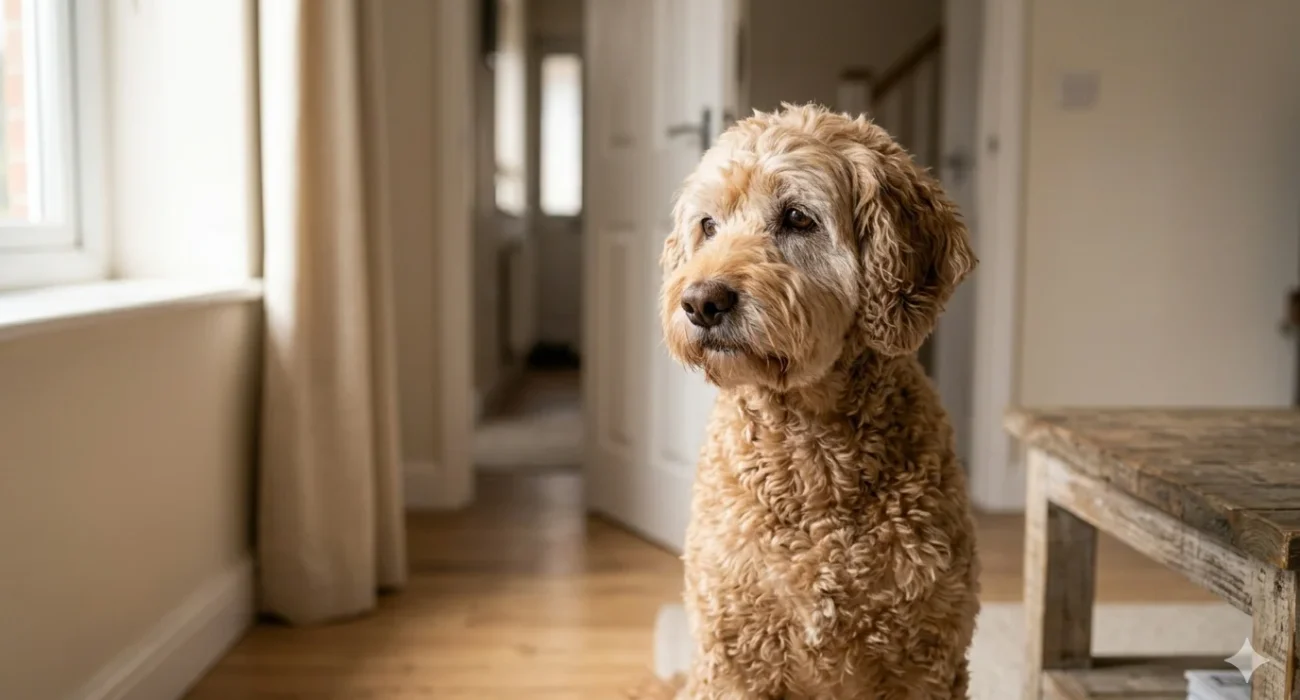
Helping a senior Cockapoo with anxiety starts by understanding the cause. If your older Cockapoo is suddenly pacing, barking more than usual, clinging to you or struggling to settle, there are practical steps that can improve their comfort and confidence.
Anxiety in older dogs is real, and with Cockapoos (smart, sensitive, people-focused), it can show up pretty intensely.
The good news is this: you can almost always make things noticeably better. Not always overnight, and not always with one magic trick, but with the right plan.
So in this guide, I’ll walk you through what anxiety looks like in a senior Cockapoo, what usually causes it, what to rule out first, and the most practical steps that actually help.
Helping a Senior Cockapoo With Anxiety
Helping a senior Cockapoo with anxiety involves identifying medical causes, creating a predictable routine, providing a calm environment and using positive training techniques. Many older Cockapoos improve significantly when pain, cognitive decline or sensory changes are properly managed.
Why senior Cockapoos get anxious (it’s usually not “random”)
When a younger dog gets anxious, it is often tied to training gaps, lack of exposure, or a specific trigger.
With seniors, anxiety is more commonly caused by one of these:
1) Pain or discomfort (the most overlooked cause)
Arthritis, dental pain, ear infections, stomach discomfort, and even itchy skin can turn a calm dog into a restless dog.
A Cockapoo who used to nap all evening might start pacing simply because lying down hurts, or getting comfortable takes effort.
One owner shared in this Reddit discussion about sudden anxiety in senior dogs that their calm 11-year-old dog began pacing every night, which turned out to be untreated arthritis pain. Once pain management started, the anxiety dropped dramatically.
2) Canine Cognitive Dysfunction (CCD)
This is basically age-related brain change, similar to dementia in humans.
Signs can include:
Night waking and pacing
Staring into space
Getting “stuck” in corners
Seeming lost in familiar rooms
More clinginess or sudden irritability
Accidents in the house despite being house-trained
CCD often looks like anxiety, and anxiety often rides along with it.
3) Hearing loss or vision loss
When dogs can’t hear what is happening or can’t see clearly, the world becomes unpredictable. That uncertainty creates stress.
A senior Cockapoo may startle more easily, bark at “nothing,” or follow you everywhere because you are their anchor.
4) Changes in routine (even small ones)
Older dogs like predictable days. Things that feel minor to us can matter a lot:
A family member moved out
You started working different hours
A new pet joined the home
Furniture got rearranged
You moved houses
5) Separation anxiety that shows up late
Yes, seniors can develop separation anxiety even if they were fine for years. It can come from increased dependence, reduced confidence, or sensory decline.
In this Reddit thread on older dogs developing separation anxiety, multiple owners described senior dogs who suddenly couldn’t tolerate being alone after years of independence, especially once hearing or vision started declining.
What anxiety looks like in a senior Cockapoo
Some senior Cockapoos don’t do the dramatic shaking or whining. They do subtle stuff.
Watch for:
- Pacing, especially in the evening
- Following you room to room
- Excessive licking (paws, legs, blankets)
- Panting when it isn’t hot
- Refusing to settle
- Trembling or hiding during noises
- Increased barking or whining
- Restlessness when you leave
- Accidents in the house
One big clue: Anxiety tends to be repetitive and pattern-based.
Step 1: Rule out the medical stuff first
If your senior Cockapoo’s anxiety is new or suddenly worse, start with a vet visit.
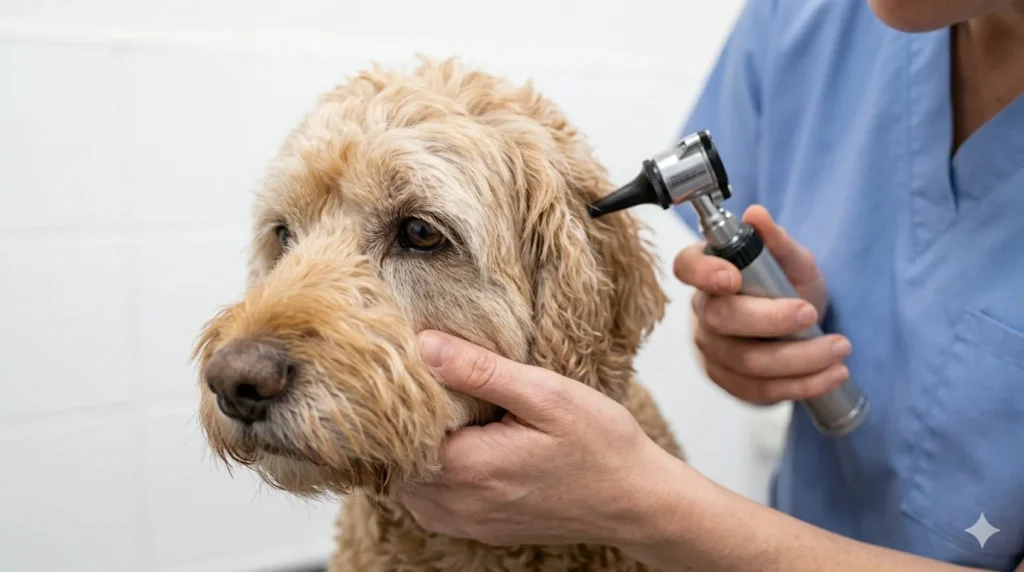
Ask for:
A full senior exam
Pain assessment
Dental check
Ear check
Bloodwork and urinalysis
Discussion about CCD
If your dog is anxious because they hurt, no amount of training will fully fix it until the pain is addressed.
Step 2: Identify the anxiety type
A) Separation anxiety
B) Noise anxiety
C) Sundowning (evening confusion)
D) Generalized anxiety
Your plan depends on which one you’re dealing with.
Step 3: Fix the environment first
Create a safe station with:
A supportive bed
A blanket with your scent
Low light in evenings
A quiet location
Add rugs for traction.
Use white noise for sudden sounds.
Block visual triggers if needed.
These small changes often reduce anxiety faster than anything else.
Pro Tip: Anxiety in senior dogs can sometimes be linked to underlying medical conditions rather than behaviour alone. For trusted guidance on senior dog health and anxiety management, explore resources from the American Kennel Club (AKC), RSPCA, and VCA Animal Hospitals.
Step 4: Build a calming daily routine
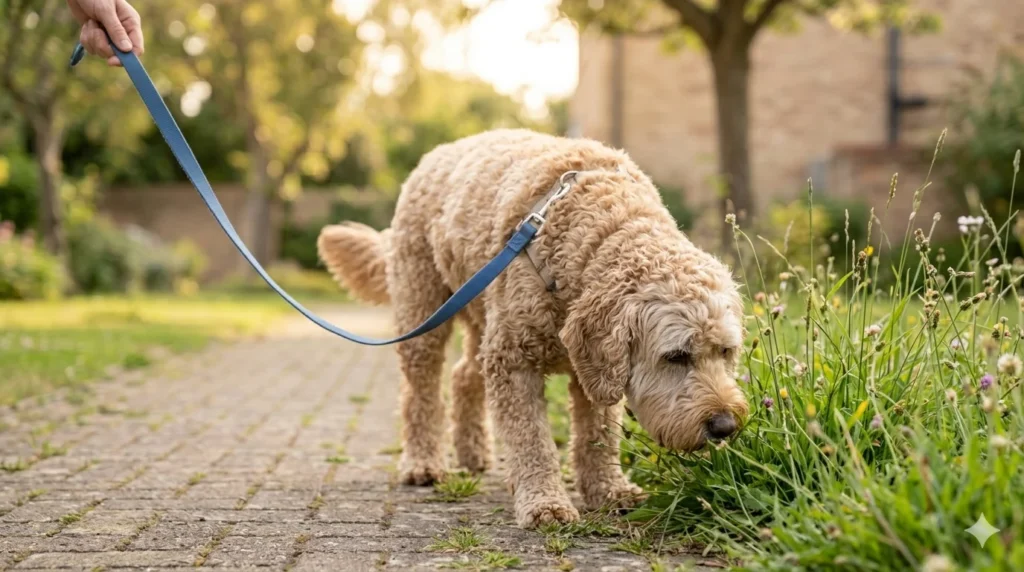
Morning: slow sniff walk
Midday: rest with a comfort cue
Evening: dim lights + calm environment
Night: predictable sleep setup
Sniffing, consistency, and predictability matter more than intense exercise.
Step 5: Gentle training
Teach a “relax” cue by rewarding calm behavior.
Practice tiny alone-time reps if separation anxiety is present.
Use gradual noise desensitization for sound triggers.
Keep sessions short and low-pressure.
Step 6: Calming tools
Helpful options include:
Calming wraps
Pheromone diffusers
Lick mats
Soft chews
These support your plan, but they are not standalone fixes.
Step 7: Supplements
Some commonly used options:
Omega-3s
L-theanine or calming blends
Melatonin (vet-guided)
Cognitive support supplements
Always check with your vet first.
Step 8: When medication makes sense
Medication is appropriate when:
Anxiety is severe or daily
Your dog cannot settle or sleep
Training is not working due to panic
CCD symptoms are progressing
Think of medication as lowering the “panic volume” so everything else can actually work.
Common mistakes to avoid
- Accidentally reinforcing panic
- Over-exercising a sore senior dog
- Punishing anxiety behaviors
- Changing too many things at once
A simple 7-day plan you can start today
If you want something actionable, here’s a realistic starter plan.
Day 1-2: Set up the safe station + schedule
- Orthopedic bed, blanket, water, quiet corner
- Add rugs where they slip
- Pick consistent walk, meal, and bedtime times
Day 3-4: Add calming enrichment
- Daily sniffari (10 to 20 minutes, slow pace)
- Lick mat or snuffle mat in the evening
- Start white noise at trigger times
Day 5-6: Start training reps
- “Relax” cue when calm
- Tiny alone-time reps if separation anxiety is present
- If noise anxiety: very low volume sound + treats (only if your dog stays relaxed)
Day 7: Review and tighten
- Note what improved and what didn’t
- If symptoms are intense or getting worse, schedule the vet visit (or bring your notes if you already went)
Even small improvements matter. The goal is progress, not perfection.
When to get professional help quickly
- Don’t wait it out if you see:
- Sudden extreme behavior change
- Aggression that is new (often pain-related)
- Refusal to eat
- Persistent night pacing
- Panic that leads to self-injury (scratching, chewing, breaking nails)
- Frequent accidents with increased thirst or straining
These need a vet evaluation sooner rather than later.
Let’s wrap up
Helping a senior Cockapoo with anxiety usually comes down to three things:
Rule out pain and medical causes
Make the environment feel safe and predictable
Use simple routines, gentle training, and support tools
When you get those right, most senior Cockapoos don’t just “cope”… they settle back into a calmer, more comfortable version of themselves.
FAQs (Frequently Asked Questions)
What are common signs of anxiety in senior Cockapoos?
Common signs of anxiety in senior Cockapoos include pacing, especially at night, clinging to you, excessive licking, panting when it’s not hot, refusing to settle, trembling during storms or loud noises, increased barking or whining, restlessness before or after you leave, loss of appetite or picky eating, digestive issues triggered by stress, and accidents in the house.
Why do senior Cockapoos develop anxiety suddenly?
Senior Cockapoos often develop anxiety due to underlying causes such as pain or discomfort (arthritis, dental issues, ear infections), Canine Cognitive Dysfunction (age-related brain changes similar to dementia), hearing or vision loss leading to uncertainty, changes in routine like moving houses or new pets, and late-onset separation anxiety caused by increased dependence or sensory decline.
How can I differentiate types of anxiety in my senior Cockapoo?
Anxiety types can be categorized as separation anxiety (distress when you leave and clinginess), noise anxiety (trembling and hiding during storms or fireworks), sundowning or evening restlessness often linked to cognitive dysfunction (pacing and confusion at night), and generalized anxiety (constant hypervigilance and tension). Identifying the type helps tailor the right treatment plan.
What should I do first if my senior Cockapoo shows new or worsening anxiety symptoms?
The first step is a thorough veterinary examination to rule out medical causes. This includes a full senior exam with pain assessment (especially joints and spine), dental check, ear check for infections, basic bloodwork and urinalysis to evaluate thyroid, kidney, liver function, and discussion about Canine Cognitive Dysfunction if symptoms fit. Addressing medical issues is crucial before behavioral interventions.
How can I create a calming environment for my anxious senior Cockapoo?
Create a predictable ‘safe station’ for your Cockapoo with a supportive orthopedic bed suitable for seniors, a blanket that smells like you for comfort, water nearby, low lighting in the evenings if sundowning is an issue, and positioning away from drafts and noisy windows. If your dog likes crates use them; otherwise a cozy corner works well. Environmental fixes often provide fast improvements.
Can separation anxiety develop in older Cockapoos even if they were fine before?
Yes, separation anxiety can develop later in life due to factors like increased dependence on their owner, reduced confidence from sensory decline (hearing or vision loss), or cognitive changes. Even if your senior Cockapoo was previously comfortable alone, new onset separation anxiety is possible and requires specific management strategies.