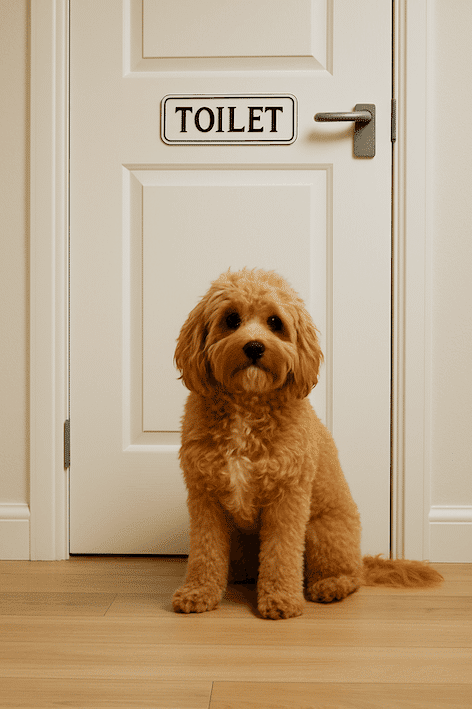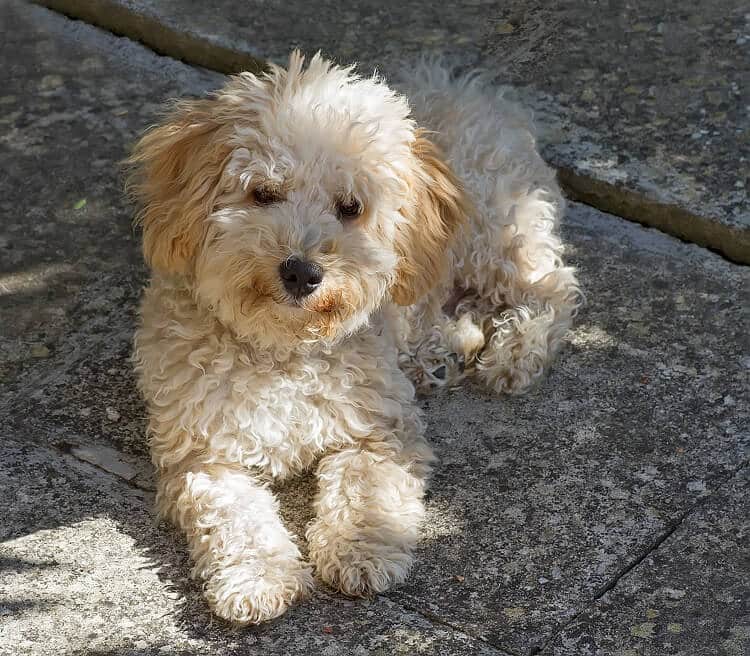
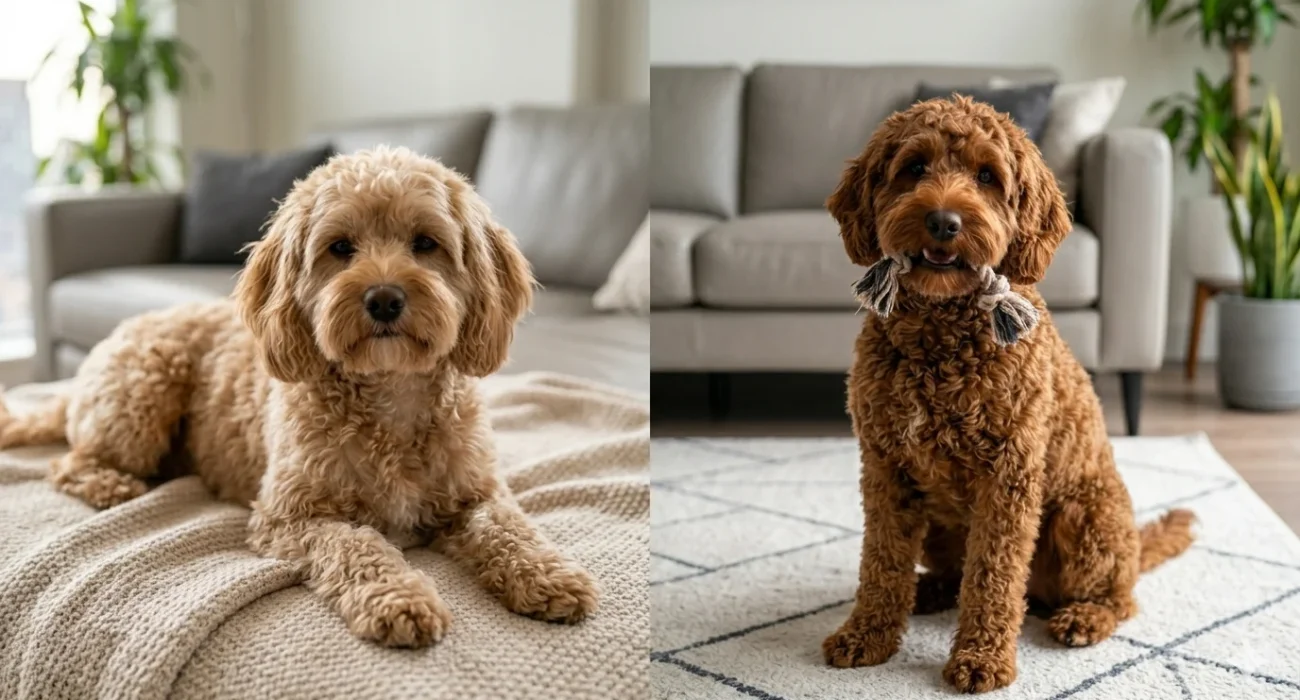
If you’re wondering which is calmer, Cavapoo or Cockapoo, you’re not alone. Many future dog owners want a friendly companion that fits their lifestyle without bringing constant chaos into the home. If you’re trying to pick between a Cavapoo and a Cockapoo, there’s a good chance you’re really asking one thing:
“Which one is less chaotic in my house?”
Totally fair.
Both are adorable, friendly, and famous for being great family dogs. But “calm” is one of those words that means different things to different people. For some, calm means “doesn’t bark all day.” For others, it means “can chill on the couch while I work.” For others, it means “don’t turn my living room into a racetrack at 9 pm.”
So let’s break it down in a practical way, based on temperament tendencies, energy levels, training, and the stuff that actually affects your day-to-day life.
Which Is Calmer: Cavapoo or Cockapoo?
On average, Cavapoos are generally calmer than Cockapoos. Their Cavalier King Charles Spaniel heritage often gives them a more relaxed temperament, while Cockapoos usually have higher energy levels and require more mental stimulation and exercise to settle indoors.
Quick answer (with the real-life caveat)
On average, Cavapoos tend to be calmer than Cockapoos, especially in typical home environments.
But here’s the important part: individual personality, genetics, training, exercise, and routine matter as much as the breed mix. You can absolutely find a mellow Cockapoo and a wild Cavapoo.
That said, if you’re choosing based on odds, Cavapoo usually wins the “calmer companion” contest.
What “calm” actually looks like in a dog
Before comparing the two, here are the most common “calm” pain points people mean:
- Indoor off-switch
- Overexcitement with people
- Barking
- Separation tolerance
- Trainability under excitement
We’ll use these as our framework.
Cavapoo vs Cockapoo: what they’re made of (and why it matters)
Cavapoo = Cavalier King Charles Spaniel × Poodle
Cockapoo = Cocker Spaniel × Poodle
The big difference?
Cavalier genetics tend to be naturally softer and more relaxed, while Cocker Spaniels often bring more energy and expressiveness.
That baseline alone explains a lot of the “calm vs chaos” difference.
1) Energy level: who is naturally more chill?
Cavapoo
Most Cavapoos sit in the low-to-moderate range. They enjoy the activity, but they’re usually happy to relax after.
Cockapoo
Cockapoos often lean moderate-to-high energy. More movement, more curiosity, more need for engagement.
This shows up clearly in real owner experiences. In this Reddit discussion — “Cockapoo won’t settle indoors even after walks” — multiple owners describe needing extra mental stimulation and structure just to get their dogs to relax.
Calm point: Cavapoo
2) The indoor “off-switch”
This is the trait that actually defines your daily life.

Cavapoo
- Easier to settle
- Naturally more content relaxing
- Strong “lap dog” tendency
Cockapoo
- Can settle, but usually needs:
- more exercise
- more training
- more structure
If under-stimulated, Cockapoos tend to create their own activity — which is rarely calm.
Calm point: Cavapoo
3) Excitability: greetings, guests, and chaos moments
Cavapoo
- Friendly but softer
- Excitement fades quicker
Cockapoo
- More intense greetings
- Longer “hype mode”
- More jumping and impulsive behavior
In busy homes, this difference becomes very noticeable.
Calm point: Cavapoo (slightly)
4) Barking: which one is quieter?
Cavapoo
- Moderate barking
- More likely tied to attachment or alerts
Cockapoo
- More vocal overall
- More alert barking
- More boredom barking
In this Reddit thread — “Cockapoo barking at every noise in apartment” — owners repeatedly mention how easily Cockapoos become reactive to hallway sounds and outside noise if not trained early.
If you live in an apartment, this matters a lot.
Calm point: Cavapoo
5) Separation anxiety: who handles alone time better?
This is where it gets interesting.
Cavapoo
- More prone to attachment-based anxiety
- Struggles because they miss you
Cockapoo
- More prone to boredom-driven behavior
- Struggles because they need stimulation
So the behavior looks similar, but the cause is different.
Calm point: Tie (depends on lifestyle)
6) Trainability: who is easier to shape into a calm dog?
Cavapoo
- Responds well to gentle training
- Easier to guide into calm habits
Cockapoo
- Very smart, but:
- gets bored faster
- needs structured training for calmness
If you want a dog that naturally leans calm, Cavapoo is easier.
Calm point: Cavapoo
7) Adult temperament: what happens after puppy phase?
Cavapoo adults
- Chill companions
- Moderate activity
- Relaxed indoor vibe
Cockapoo adults
- Playful and social
- Still more energetic
- Calm only after needs are met
If your goal is a relaxed home environment, Cavapoo usually aligns better long-term.
Calm point: Cavapoo
Pro Tip: Every dog is unique, so breed tendencies should always be combined with proper training, socialisation and daily enrichment. Trusted resources such as the American Kennel Club (AKC), RSPCA, and VCA Animal Hospitals provide excellent guidance on behaviour, exercise and responsible dog ownership.
The biggest mistake people make
They think breed = personality.
In reality, calmness depends more on:
- Parent temperament
- Early routine and structure
- Daily exercise + mental stimulation
- Your home environment
A poorly trained Cavapoo can feel chaotic.
A well-structured Cockapoo can feel calm.
So… which one should you choose?
Choose a Cavapoo if you want:
- A naturally calmer baseline
- A dog that settles easily
- A relaxed indoor companion
Choose a Cockapoo if you want:
- A playful, energetic dog
- A companion for active routines
- A dog that becomes calm after exercise and engagement
How to actually create a calm dog (this matters more than breed)
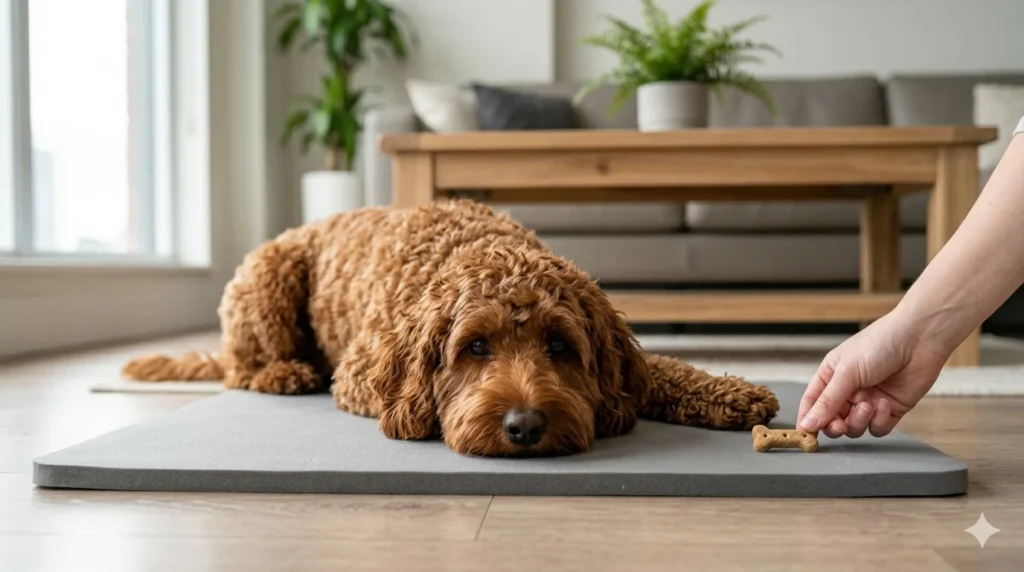
No matter what you pick:
- Teach “settle” early
- Reward calm behavior (not chaos)
- Add mental enrichment (not just walks)
- Practice alone time
- Protect sleep (overtired dogs = hyper dogs)
The calmness bottom line
If you’re choosing purely based on calm temperament:
Cavapoo is usually calmer than Cockapoo.
Cockapoos aren’t “worse,” they’re just:
- more energetic
- more vocal
- more stimulation-dependent
Final takeaway
If you want calm as the default setting, go Cavapoo.
If you want a fun, active dog who can be calm with the right routine, go Cockapoo.
And if you want to make the smartest choice possible:
Don’t ask “which breed is calm?”
Ask:
- Which puppy settles fastest?
- Which one is least vocal?
- Which one relaxes after play?
That’s how you actually pick the calm one.
FAQs (Frequently Asked Questions)
Which breed is generally calmer between Cavapoo and Cockapoo?
On average, Cavapoos tend to be calmer than Cockapoos, especially in typical home environments. However, individual personality, genetics, training, exercise, and routine play significant roles in a dog’s calmness.
What does ‘calm’ mean when comparing Cavapoos and Cockapoos?
‘Calm’ refers to traits like the ability to relax indoors without pacing or whining, moderate excitability with people, minimal barking, good separation tolerance, and trainability even when excited. These factors help determine how peaceful a dog is in day-to-day life.
How do the parent breeds influence the temperament of Cavapoos and Cockapoos?
Cavapoos are a mix of Cavalier King Charles Spaniel (gentle, affectionate, naturally calm) and Poodle (smart, trainable). Cockapoos come from Cocker Spaniel (playful, excitable, vocal) and Poodle. Cavaliers are generally more laid-back than Cocker Spaniels, making Cavapoos typically calmer.
What are the typical energy levels of Cavapoos compared to Cockapoos?
Cavapoos usually have low-to-moderate energy levels; they enjoy walks and playtime but also like relaxing near their humans. Cockapoos tend to have moderate-to-high energy levels with more bounce, curiosity, and desire for activity.
How do Cavapoos and Cockapoos differ in their indoor ‘off-switch’ or ability to settle?
Cavapoos often inherit a contentment trait allowing them to cuddle easily and settle into routines indoors. Cockapoos may require more exercise, mental stimulation, boundary training, and impulse control games to settle down effectively.
Which breed tends to be quieter in terms of barking: Cavapoo or Cockapoo?
While both breeds can bark depending on individual traits, the article suggests that calmness doesn’t always equate to quietness. Specific tendencies toward barking weren’t fully detailed but generally align with their energy and excitability levels; thus Cavapoos may be quieter on average due to lower excitability.
Are Cavapoos easier to calm than Cockapoos?
In many cases, yes. Cavapoos often inherit the gentle temperament of the Cavalier King Charles Spaniel, making them easier to settle indoors. However, consistent training, exercise and socialisation play a much bigger role than breed alone.