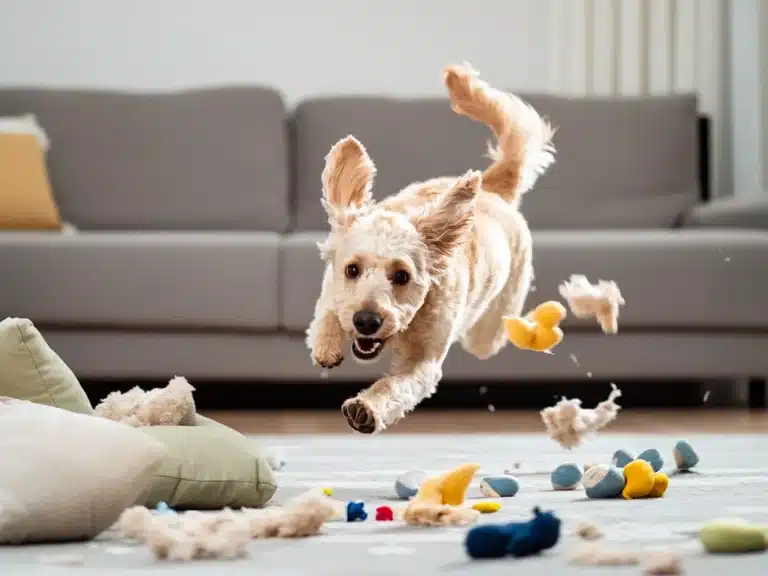
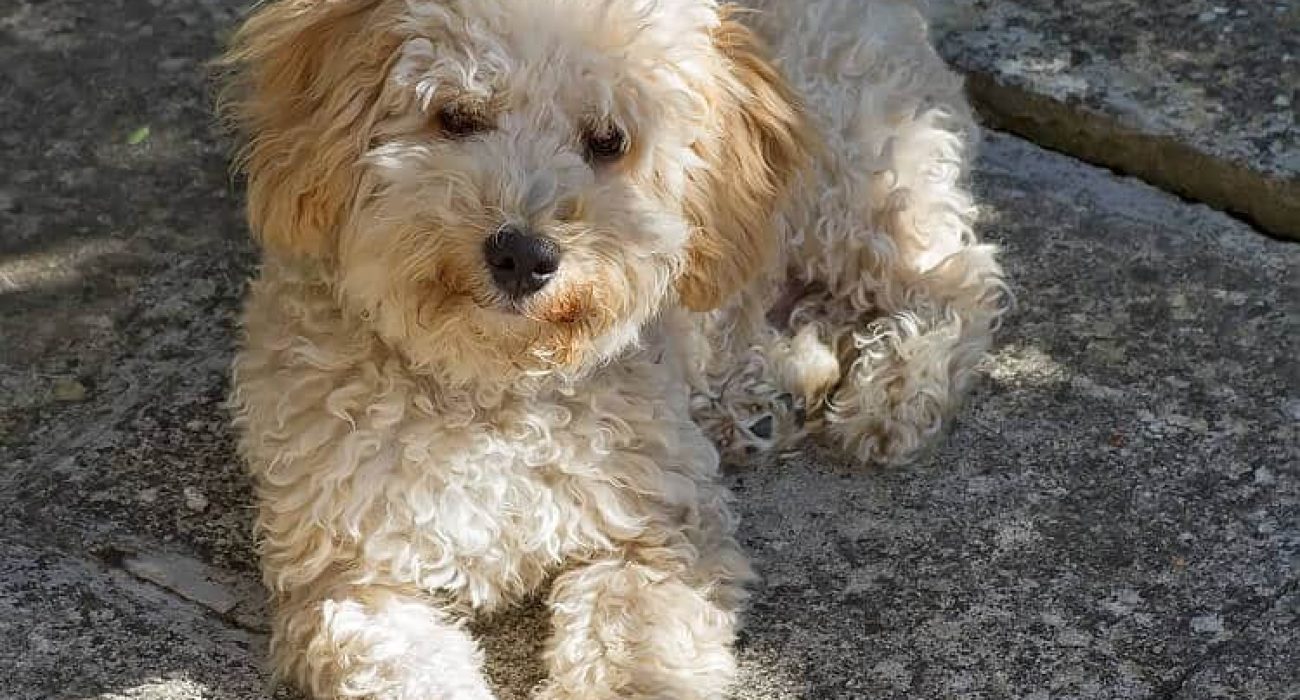
Has your Cavapoo suddenly become aggressive at 1 year old? While this change can be alarming, it’s often linked to adolescence, fear, pain, overstimulation, or resource guarding rather than a change in personality. In this guide, you’ll learn why aggression appears during this stage and how to help your Cavapoo regain confidence using positive, practical techniques. It can honestly feel a bit shocking.
One day your Cavapoo is sweet, cuddly, and easygoing… and then suddenly they’re growling when you touch them, snapping when you move them, or guarding things like it’s their full-time job.
You’re probably thinking:
“Wait… isn’t this supposed to be a gentle breed?”
You’re not wrong — but here’s the truth:
This kind of change around 1 year old is actually very common.
In this guide, I’ll break down the most common reasons a Cavapoo becomes aggressive around age 1, what to do right now, and when you should get professional help.
Cavapoo Suddenly Aggressive at 1 Year Old (Quick Answer)
A Cavapoo becoming aggressive around one year of age is usually experiencing adolescence rather than developing a “bad temperament.” Hormonal changes, fear periods, discomfort, inconsistent routines, or learned behaviours can all contribute to growling, snapping, or guarding. Identifying the underlying cause is the first step toward improving behaviour.
According to the American Kennel Club (AKC), adolescent dogs often go through developmental stages where consistent training and positive reinforcement become especially important.
First — You’re Not Dealing With a “Bad Dog”
Before anything else, take a breath.
What you’re seeing is usually not random aggression — it’s your dog communicating discomfort, fear, confusion, or even pain.
In fact, one owner described in this Reddit thread about a Cavapoo suddenly reacting when handled how their previously calm pup started growling during everyday interactions around this age.
That’s not a personality flip.
It’s a signal.
Why This Happens Around 1 Year Old
Around 8–18 months, dogs go through a teenage phase where everything shifts:
- More independence
- More sensitivity to touch and space
- Stronger reactions to people, dogs, and sounds
- Hormonal changes
- Fear periods (yes, even at this age)
So it can feel sudden — but usually, small stress signals were building before this point.
1. Adolescence — The “Teenage Dog” Phase
This is one of the biggest reasons things seem to change overnight.
What It Looks Like
- Growling when moved off furniture
- Snapping when picked up
- Ignoring commands they used to follow
- Testing boundaries
Why It Happens
Your Cavapoo is no longer a “go with the flow” puppy.
They’re learning: “What happens if I say no?”
If growling works (you back off), they’ll use it again.
What Helps
- Go back to simple training basics
- Keep routines predictable (walks, meals, rest)
- Reward calm behavior heavily
- Stop forcing interactions (especially picking up)
What Not to Do
- Don’t push through resistance (“he has to learn”)
- Don’t punish growling — it removes the warning sign
2. Pain or Physical Discomfort (Rule This Out First)
The American Veterinary Medical Association (AVMA) explains that sudden behaviour changes can sometimes be linked to underlying medical conditions, making a veterinary examination an important first step.
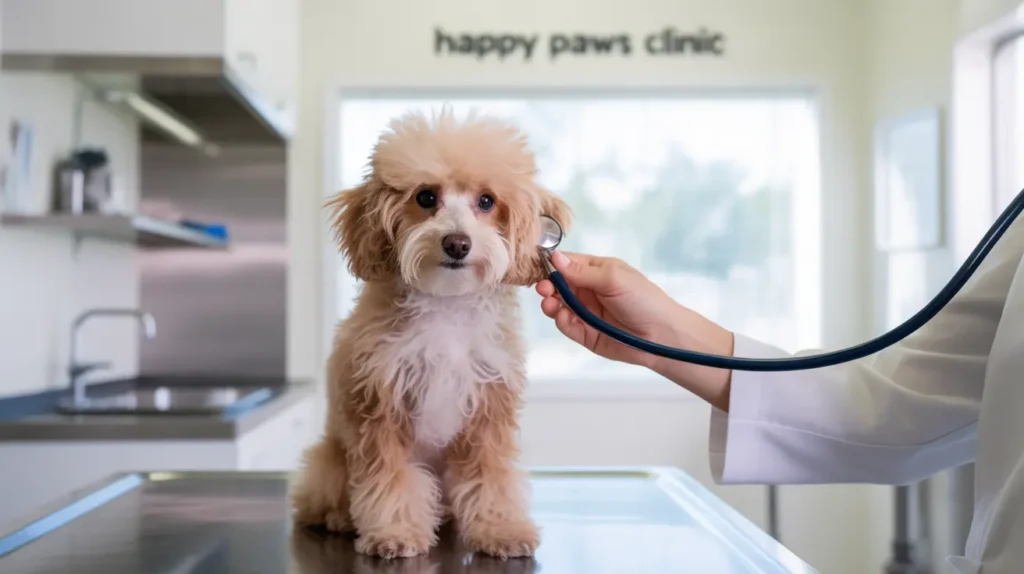
Image Source: petscare.com
If the aggression feels sudden, pain should always be considered early.
One dog owner shared in this Reddit discussion about sudden snapping during touch that their dog’s behavior changed due to underlying discomfort that only showed up during handling.
What It Looks Like
- Snapping when picked up
- Growling when touched in specific areas
- Irritability during grooming
- Sudden personality change
Why It Happens
Pain lowers tolerance.
Things your dog previously accepted now feel uncomfortable or even painful.
What Helps
- Book a vet check
- Be specific about:
- When reactions happen
- Where you touched them
- Ask for checks (ears, joints, teeth, skin)
What Not to Do
- Don’t try to “train through” pain
- Don’t ignore handling-related aggression
VCA Animal Hospitals recommends avoiding punishment for growling because growling is an important warning signal that helps prevent bites.
3. Fear Periods (Yes, Even at This Age)
Your Cavapoo may suddenly act wary of things they used to ignore.
What It Looks Like
- Barking/lunging at strangers
- Backing away, then reacting
- Nervous body language (ears back, tail tucked)
Why It Happens
Fear phases make normal things feel unsafe.
Aggression becomes a “stay away” strategy.
What Helps
- Create distance from triggers
- Reward calm observation (not forced interaction)
- Let your dog choose whether to approach
What Not to Do
- Don’t force greetings
- Don’t push your dog closer “to get used to it”
4. Resource Guarding (Very Common at This Age)
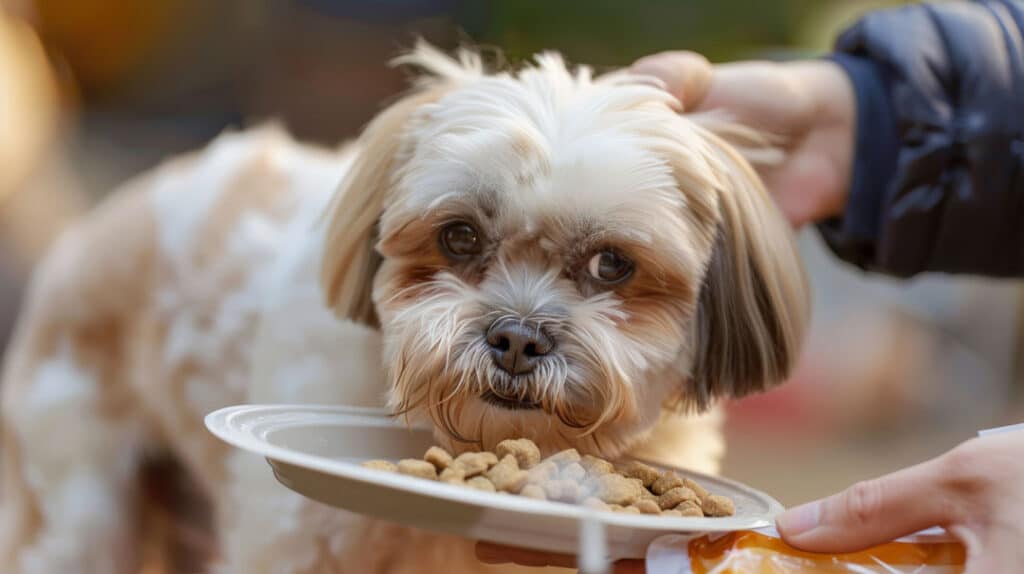
Image Source: goldstarpuppyacademy.com
This is one of the most misunderstood causes.
Your Cavapoo isn’t being dominant — they’re protecting something valuable.
One owner shared in this Reddit thread about guarding toys and household items how their dog started guarding everyday objects like socks and chews around adolescence.
What It Looks Like
- Growling when you approach food or toys
- Snapping when taking items away
- Guarding couch, bed, or even you
Why It Happens
Your dog learned:
“When I guard, people back off — so it works.”
What Helps (Trade-Up Method)
- Toss a better treat when approaching
- Walk away after
- Teach “drop it” through trades (not force)
Key idea:
Sometimes give the item back after trading
What Not to Do
- Don’t grab items out of their mouth
- Don’t punish or “alpha” your dog
- Don’t test them repeatedly
5. Handling Sensitivity (Especially Being Picked Up)
Small dogs get picked up a lot — often without consent.
Over time, that can build frustration or fear.
What It Looks Like
- Growling when picked up
- Snapping when moved
- Avoiding hands
Why It Happens
Being lifted can feel:
- Restricting
- Unpredictable
- Physically uncomfortable
What Helps
- Ask for consent (“Up?” cue)
- Reward voluntary approach
- Reduce unnecessary handling
- Support their body properly when lifting
What Not to Do
- Don’t grab suddenly
- Don’t ignore early warning signs
6. Leash Reactivity (The “Suddenly Reactive” Dog)
Many friendly puppies become reactive during adolescence.
One Cavapoo owner described in this Reddit thread about increased reactivity and barking on walks how their dog began lunging despite being social earlier.
What It Looks Like
- Barking/lunging at dogs or people
- Pulling intensely on walks
- Overexcitement turning into frustration
Why It Happens
- Leash restricts movement
- Over-arousal
- Learned pattern: barking makes things go away
What Helps
- Increase distance from triggers
- Reward calm looking (“look at that” → “look at me”)
- Keep walks shorter and calmer
What Not to Do
- Don’t drag your dog past triggers
- Don’t force interactions on leash
7. Overtired or Overstimulated (The Sneaky Trigger)
This one gets missed a lot.
Cavapoos often live in busy homes — lots of attention, play, noise.
But too much stimulation = lower tolerance.
What It Looks Like
- Snapping when touched at night
- Irritability after busy days
- “Random” reactions when tired
Why It Happens
Overtired dogs lose patience — just like toddlers.
What Helps
- Build daily quiet rest time
- Encourage naps
- Reduce evening chaos
What Not to Do
- Don’t assume more activity = better behavior
What Not to Do (This Matters More Than You Think)
Avoid these common mistakes:
- Don’t punish growling → leads to silent biting
- Don’t use dominance tactics → increases fear
- Don’t flood your dog with scary situations
- Don’t let multiple people “test” the dog
A Simple Plan You Can Start Today
If you’re overwhelmed, start here:
Step 1: Prevent situations that trigger aggression
- No forced handling
- No grabbing items
- Limit access to problem areas (like couch)
Step 2: Rule out pain
- Book a vet check if touch triggers reactions
Step 3: Rebuild trust (5 minutes daily)
- Toss treats when passing by
- Pair hands with rewards
- Practice short, positive interactions
When to Get Professional Help
Get help if:
- Your Cavapoo has bitten and broken skin
- Aggression is increasing or spreading
- It involves kids or guests
- You feel unsure handling your dog
Look for:
- Certified trainers (IAABC, CCPDT)
- Fear-free professionals
- Veterinary behaviorists for serious cases
The Real Takeaway
A Cavapoo becoming aggressive at 1 year old is rarely random.
It’s usually a combination of:
- Adolescence
- Fear or stress
- Learned behavior
- Physical discomfort
- Overstimulation
The good news?
Most cases improve significantly with:
- Proper management
- Positive training
- Consistency
- Addressing the root cause
A Cavapoo suddenly becoming aggressive at 1 year old doesn’t usually mean they have developed a bad temperament. In most cases, adolescence, fear, pain, overstimulation or resource guarding are responsible. By identifying the underlying cause early, following a consistent routine and using positive training methods, most Cavapoos become calmer and more confident as they mature.
FAQs (Frequently Asked Questions)
Why has my Cavapoo suddenly started growling and snapping around 12 months old?
Around 12 months, many Cavapoos enter adolescence, a phase where they test boundaries, develop stronger opinions about handling and personal space, and may show increased reactivity due to hormonal shifts, fear periods, or learned behaviors. This can lead to sudden aggression such as growling, snapping, or guarding.
Is sudden aggression in a Cavapoo always due to bad behavior?
No. Growling is actually a form of communication indicating discomfort. Sudden aggression often results from adolescence, fear, pain, or learned behaviors rather than simply ‘bad behavior.’ Punishing growling can escalate aggression by removing the dog’s warning signals.
What medical issues should I rule out if my Cavapoo shows sudden aggression?
Pain-related issues are a top concern and can include patellar luxation (kneecap problems), ear infections, dental pain, gastrointestinal discomfort, skin allergies, injuries, anal gland problems, or post-grooming irritation. A vet check-up focusing on these areas is essential if your dog shows new aggressive behaviors.
How can I manage fear-based aggression in my Cavapoo?
Fear-based aggression often involves defensive behaviors like barking or lunging at strangers or other dogs. To manage this, avoid forcing interactions, create distance from triggers until your dog calms down and accepts treats, and reward calm observation. Remember: if your dog is barking or lunging, you’re likely too close.
What steps should I take during my Cavapoo’s adolescent ‘teenage’ phase to reduce aggression?
Go back to basics with short training sessions using high-value rewards and simple goals. Increase structure with predictable routines for walks, feeding, and rest. Avoid forcing interactions such as hugging or grabbing and consistently reward calm behavior to reinforce positive responses.
Why does my Cavapoo guard food, toys, or even the couch aggressively?
Resource guarding is common in companion breeds like Cavapoos. It stems from natural instincts rather than dominance and can manifest as growling or snapping when someone approaches valued items like food, toys, or favorite resting spots. Understanding this helps address the behavior with appropriate training rather than punishment.