Cavapoo Crying at Night is one of the most common concerns for new and experienced owners. Puppies often cry because they are adjusting to a new home, while adult Cavapoos may cry due to anxiety, pain, changes in routine or medical problems. Understanding the cause is the first step toward helping your dog sleep peacefully through the night. You are half awake, trying to decide if you are hearing a sad little squeak, a dramatic howl, or that “I am dying of loneliness” noise that somehow only happens when your head hits the pillow.
And because it is a Cavapoo, it is never just one sound. It is a whole performance.
The tricky part is this. Night crying can be normal. It can also be a sign something is off. And the causes look very different depending on whether you are dealing with a Cavapoo puppy or an adult Cavapoo who suddenly started doing it.
It’s a common hurdle during the first few weeks home, and one owner explained that their puppy would start whining the moment the lights went off but settled immediately when someone entered the room, which sparked a long discussion about nighttime crying in this Reddit thread about Cavapoo puppies whining after bedtime and how to create a calming sleep environment.
So let’s break it down properly. Puppy vs adult causes. What is normal, what is not. And what you can do tonight, not next week.
Cavapoo Crying at Night: Quick Answer
If your Cavapoo puppy cries at night, the cause is usually adjustment, toilet needs or crate training. If an adult Cavapoo suddenly starts crying at night after previously sleeping well, investigate changes in routine, anxiety, pain or illness before assuming it is simply attention-seeking.
Quick reality check: what “crying” actually means
People say “crying” but it can be:
Whining (high pitched, repetitive, usually attention or anxiety)
Barking (often protest, alerting, or separation stress)
Howling (less common in Cavapoos but can happen, usually distress or attention)
Scratching at the crate or door (I want out. Now.)
Pacing and panting (often anxiety, overheating, pain, or needing the toilet)
Different sound, different cause. If you can, note what it is and when it happens. Immediately after lights out. Only at 4am. Only when you leave the room. Those details matter more than people think.
The big split: puppy night crying vs adult night crying
If your Cavapoo is a puppy (roughly under 12 months)
Night crying is extremely common. Especially the first 1 to 3 weeks in a new home.
Most puppy crying is about one of these:
“I am alone and this is scary”
“I need the toilet”
“I have too much energy and I am mad about bedtime”
“This crate feels weird and I do not like it”
“I learned crying gets results”
And yeah, sometimes it is more than one at once.
VCA Animal Hospitals explains that puppies naturally require more frequent nighttime toilet breaks because of their smaller bladder capacity and age.
If your Cavapoo is an adult (1 year+)
Adult night crying is more of a flag. Not always an emergency, but it deserves more investigation.
Adult causes are often:
Separation anxiety or sudden routine change
New noises, new home, travel
Need to toilet due to diet change, medical issue, or aging
Pain or discomfort (ears, tummy, joints, dental, injury)
Itching or allergies
Cognitive changes in seniors (can look like confusion at night)
Guarding or alert barking to outside sounds
Reinforced attention habits (it works, so they keep doing it)
If your adult Cavapoo “never used to do this” and now does it for multiple nights in a row, assume something changed. Even if it is subtle.
Cavapoo puppy crying at night: the most common causes (and how to tell)
The American Kennel Club puppy crate training guide recommends creating a calm bedtime routine and helping puppies develop positive crate associations instead of using punishment.
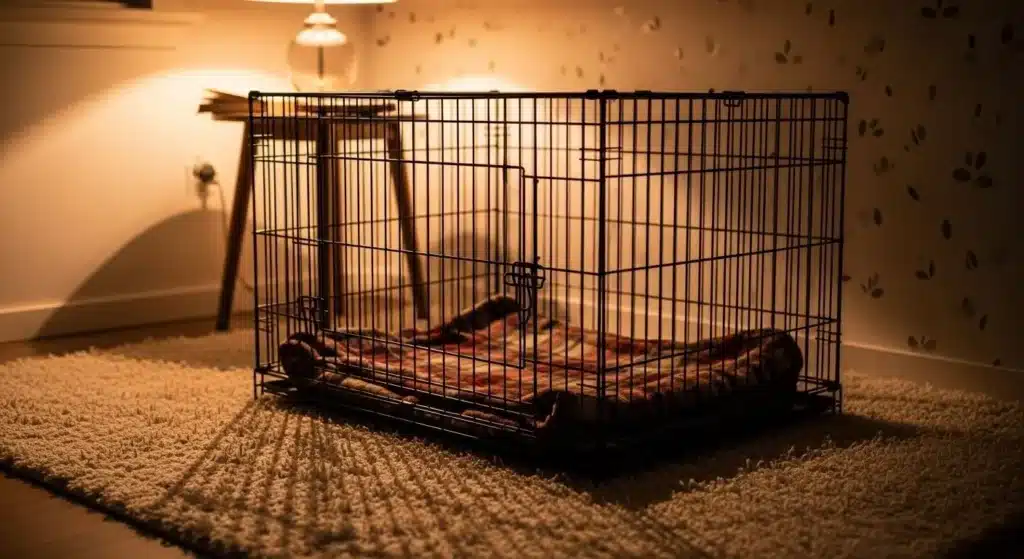
Image Source: shepherdtips.com
1. The first nights away from mom and littermates
This is a classic. Your puppy went from a warm pile of bodies and constant noise to… silence. And then a human disappears and turns the lights off.
Cavapoos are companion dogs. They tend to bond hard and fast. So that first week can be loud.
Clues it is this:
- Crying starts soon after being put to bed
- It is worst in the first 3 to 7 nights
- They settle faster if they can hear you nearby
Many new puppy owners describe this exact adjustment phase. One Cavapoo owner shared that their puppy cried intensely the first few nights but calmed down once the crate was moved closer to the bed, which sparked helpful advice in this Reddit discussion about first-night crate crying.
What helps (without creating bad habits):
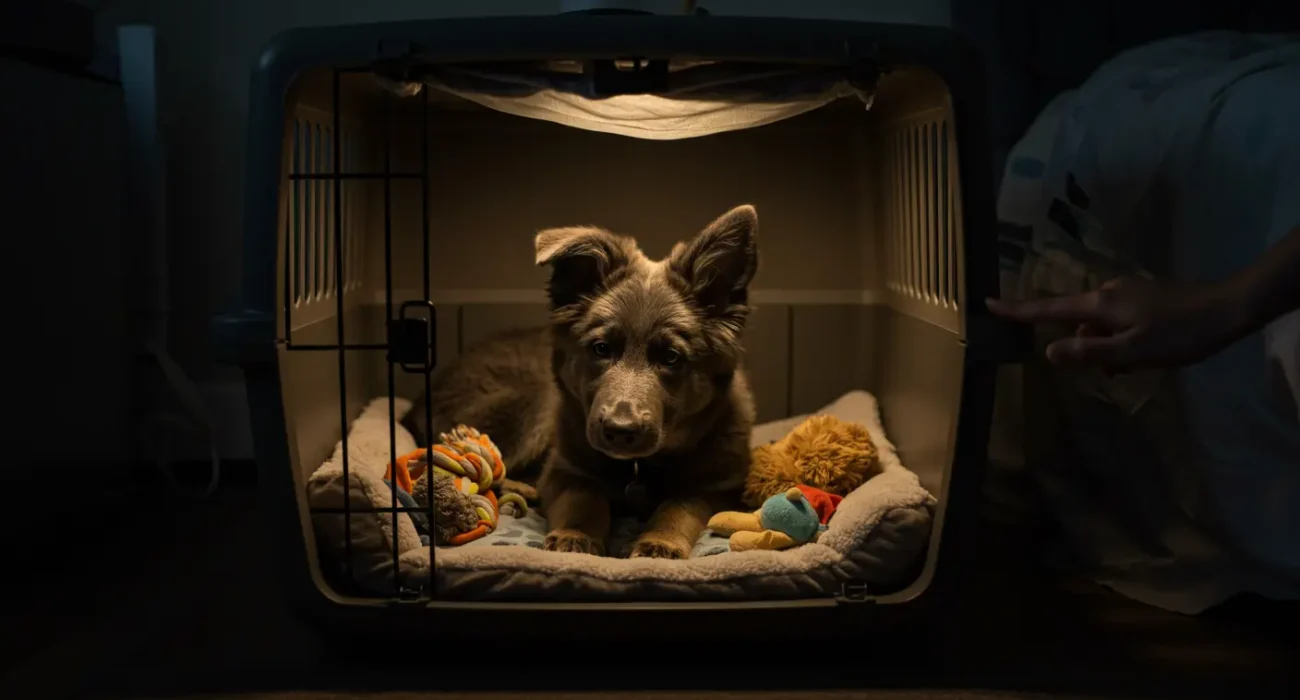
- Put the crate in your bedroom for the first week or two, then gradually move it
- Use a covered crate (3 sides covered) to reduce visual stimulation
- Add a safe comfort item (a blanket that smells like you)
- White noise can help, seriously. A fan, white noise machine, even soft rainfall audio
A lot of people resist the “crate in the bedroom” idea because they want independence. I get it. But a calmer puppy sleeps more. You sleep more. Then training goes better. It is not forever.
2. They need to pee (and they are not being dramatic)
This one is constantly underestimated.
Puppies have tiny bladders. A common rule of thumb is hours = age in months, plus one.
Clues:
- Crying escalates into frantic whining
- They circle or sniff if you take them out
- They pee quickly once outside
- Crying happens 2 to 4 hours after bedtime, not immediately
A Cavapoo owner described discovering this the hard way when their puppy woke up whining every three hours but immediately peed when taken outside, which other owners confirmed was normal in this Reddit discussion about nighttime puppy potty trips.
What to do:
- Set one scheduled potty trip for a few nights
- Carry them out if needed, toilet, then straight back to bed
- Do not turn it into a party
If the crying stops after a toilet trip, you did not reward whining. You met a physical need.
3. Overtired puppy syndrome
Some Cavapoo puppies do not naturally switch off. They get bitey, zoomy, and then furious about sleep.

Image Source: aplaceforanimals.com
Clues:
- They fight settling even after exercise
- They seem restless, panty, mouthy
- Crying sounds more like protest than panic
One puppy owner explained that their dog became wild and vocal every evening until they introduced structured nap times, a pattern many trainers confirmed in this Reddit thread about overtired puppies acting hyper.
Fix:
- Add a calm pre bed routine
- Avoid intense play right before bed
- Give a safe chew earlier in the evening
Sometimes the answer is less stimulation, not more.
4. Crate discomfort (setup problems)
Crying can be as simple as “this crate is cold” or “the bedding is slippery.”
Check:
- Temperature
- Crate size
- Bedding
- Location
Also remove collars in crates for safety.
5. “You left. I object.” (early separation distress)
This is not full blown separation anxiety yet, but Cavapoo puppies can lean that way.
Clues:
- They cry only when you leave the room
- They calm down if you sit nearby
- They escalate when you respond
One Cavapoo owner described a puppy who would sleep quietly only if the owner sat beside the crate, highlighting early attachment behavior in this Reddit conversation about puppies needing someone nearby to sleep.
What to do:
- Practice tiny separations during the day
- Teach a settle cue
- Avoid dramatic nighttime check-ins
6. They learned crying brings you back
If you go to them every time they cry, especially if they end up in your bed, they learn quickly.
One owner admitted their Cavapoo started crying every night after being brought into the bed just once, which many others recognized as a common pattern in this Reddit discussion about puppies learning nighttime attention habits.
Consistency matters more than strictness.
Wrap up: puppy vs adult, what to remember
If it is a puppy, night crying is usually adjustment, toilet needs, or learning sleep skills. Your goal is comfort plus structure. Not chaos, not guilt, not surrendering every night. Just a steady plan.
If it is an adult, especially one who used to sleep fine, take it more seriously. Look for routine changes, anxiety, noise triggers, and very importantly, pain or medical issues.
And yeah. Sometimes the fix is boring. Earlier potty. White noise. A different sleeping spot. Two weeks of consistent rules.
Boring fixes are the best ones. Because they actually stick.
The American Kennel Club guide to separation anxiety in dogs explains how routine changes and owner absence can trigger nighttime vocalization in companion breeds.
Cavapoo Crying at Night is usually caused by very different things depending on your dog’s age. Puppies often need reassurance, structured routines and scheduled toilet breaks, while adult Cavapoos may be responding to anxiety, pain or changes in their environment. By identifying the real cause early and responding consistently, most dogs quickly learn to settle and sleep comfortably throughout the night.
FAQs (Frequently Asked Questions)
Why does my Cavapoo puppy cry at night and is it normal?
Night crying in Cavapoo puppies, especially under 12 months, is extremely common during the first 1 to 3 weeks in a new home. It often means they feel alone and scared, need to go to the toilet, have excess energy, dislike the crate, or have learned that crying gets attention. This crying usually starts soon after bedtime and improves with time.
What are the main causes of night crying in adult Cavapoos?
Adult Cavapoos (1 year+) usually cry at night due to separation anxiety, sudden routine changes, new noises or environments, needing the toilet because of diet or medical issues, pain or discomfort (ears, joints, dental), allergies, cognitive changes in seniors, guarding behavior, or reinforced attention habits. If this behavior starts suddenly and persists for multiple nights, it warrants investigation.
How can I tell if my Cavapoo’s night crying is whining, barking, or howling and why does it matter?
Different sounds indicate different causes: whining is high-pitched and repetitive, often signaling anxiety or seeking attention; barking can be protest or alerting; howling is less common but usually indicates distress. Noting the type of sound and when it occurs helps identify whether your dog needs toilet breaks, feels anxious, or is responding to external stimuli.
What practical steps can I take tonight to reduce my Cavapoo puppy’s night crying?
To help your puppy settle at night without creating bad habits: place the crate in your bedroom for the first couple of weeks; cover three sides of the crate to reduce visual stimulation; provide a safe comfort item like a blanket with your scent; use white noise machines or fans; establish calm pre-bed routines; schedule quiet toilet breaks during the night; avoid intense play right before bedtime.
How do I manage my Cavapoo puppy’s need to pee at night without reinforcing crying?
Puppies have small bladders and may need toilet breaks 2-4 hours after bedtime. If your puppy cries and circles/sniffs indicating they need to pee, take them out quietly without playing or cuddling. Keep these trips boring with no lights or talking so you meet their physical needs without rewarding whining.
What signs indicate my Cavapoo’s crate setup might be causing discomfort and how can I fix it?
If your puppy cries due to crate discomfort, check if the crate is too cold or too big, bedding slippery, or if their collar clinks on bars causing distress. Ensure appropriate temperature for your Cavapoo’s comfort; use cozy bedding; adjust crate size if needed; remove noisy collars at night. A comfortable crate encourages better sleep and reduces crying.