Common Cavapoo health problems often begin with subtle signs that are easy to overlook. Your Cavapoo may start paw licking, shaking its head, developing soft stools, or showing bad breath before a more serious condition develops. This guide explains the early warning signs every Cavapoo owner should recognize and when it’s time to visit your veterinarian. You know the moment.
Your Cavapoo starts doing something slightly “off.”
A bit of paw licking. A weird smell from the ears. Softer poop than usual.
Nothing dramatic. Nothing urgent.
So you wait.
And then a few weeks (or months) later, you’re sitting at the vet thinking, “Wait… this has been building up the whole time?”
If that sounds familiar, you’re not alone. Most Cavapoo health issues don’t start as emergencies — they show up as small, easy-to-ignore patterns.
Let’s break down the most common problems owners notice first, what they actually mean, and what you should do before they turn into bigger issues.
Quick Reality Check
Although Cavapoos are generally healthy dogs, common Cavapoo health problems can develop because they inherit characteristics from both the Cavalier King Charles Spaniel and the Poodle. Learning to recognize these early symptoms allows owners to seek treatment sooner and prevent more serious complications. Cavapoos can inherit issues from both sides:
- Cavalier side → heart disease, eye issues, ear infections
- Poodle side → allergies, dental crowding, joint issues
Plus their floppy ears + fluffy coats + small size create everyday problems like moisture buildup, matting, and sensitive digestion.
The goal isn’t to panic.
It’s to spot patterns early and act sooner.
The American Kennel Club recommends regular wellness exams to help identify common health problems in dogs before they become serious.
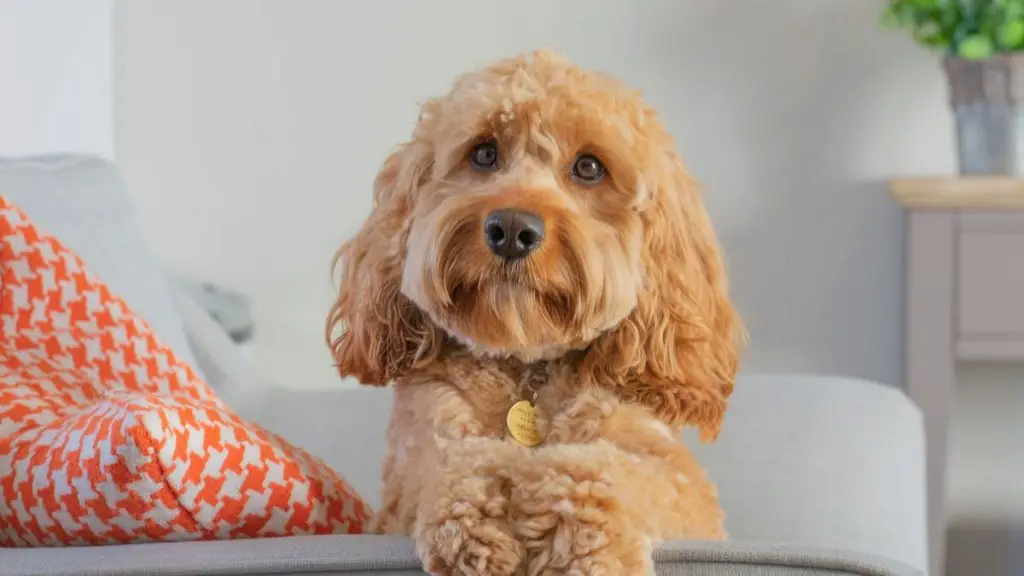
Image Source: puplore.com
1. Ear Infections (Usually One of the First Issues)
This often starts subtly — a little head shake here and there.
Then suddenly it’s constant.
What it looks like:
- Head shaking or tilting
- Scratching one ear
- Smell (yeasty or sour)
- Dark wax or gunk
- Sensitivity when touched
One Cavapoo owner described how they ignored mild ear scratching until it turned into a full infection requiring medication in this Reddit thread about recurring ear infections in Cavapoos.
Why it happens:
- Floppy ears trap moisture
- Hair inside ear canal
- Allergies feeding yeast/bacteria
What helps:
- Vet check (don’t guess yeast vs bacteria)
- Consistent ear cleaning routine (vet-approved only)
- Dry ears after baths/swimming
What not to do:
- Don’t use random home remedies
- Don’t ignore repeat infections (they become chronic fast)
2. Itchy Skin & Paw Licking (Often Allergies)
This one gets dismissed as boredom all the time.
But in Cavapoos, it’s very often allergies.
What it looks like:
- Paw licking or chewing
- Red belly/armpits
- Face rubbing
- Recurring ear infections
Why it happens:
- Pollen, grass, dust
- Food sensitivities
- Skin infections after scratching
What helps:
- Track when itching happens (after walks? certain foods?)
- Ask vet about allergy treatment options
- Wipe paws after walks
What not to do:
- Don’t keep switching foods randomly
- Don’t over-bathe with harsh shampoos
The Merck Veterinary Manual provides veterinary information about ear infections, allergies, digestive disorders, and orthopedic conditions in dogs.
3. Tear Stains & Watery Eyes
Some staining is normal. But not all of it is harmless.
Image Source: waggel.co.uk
What it looks like:
- Brown tear stains
- Watery eyes
- Eye gunk
- Face rubbing
Why it happens:
- Blocked tear ducts
- Hair irritating eyes
- Allergies or infections
What helps:
- Keep hair trimmed around eyes
- Use gentle, vet-approved wipes
- Get eyes checked if persistent
What not to do:
- Don’t use harsh “stain removers” near eyes
- Don’t ignore squinting or one-sided tearing
4. Dental Disease (Starts Earlier Than You Expect)
A lot of owners notice it only when breath gets bad.
By then, it’s already progressed.
What it looks like:
- Bad breath
- Yellow tartar
- Red gums
- Chewing changes
One owner admitted they thought bad breath was “normal” until their vet recommended a full dental cleaning in this Reddit thread about early dental disease in small dogs.
Why it happens:
- Small mouth → crowded teeth
- Plaque builds quickly
What helps:
- Brush teeth regularly (even 3–4x/week helps)
- Use vet-approved dental chews
- Professional cleaning when needed
What not to do:
- Don’t assume bad breath is harmless
- Don’t rely only on treats for dental care
5. Sensitive Stomach (Soft Stool Cycles)
This one frustrates a lot of owners because it’s inconsistent.
What it looks like:
- Soft stool or diarrhea
- Mucus in poop
- Gas or stomach noises
- Occasional vomiting
Why it happens:
- Diet changes too quickly
- Too many treats
- Food intolerance
- Stress
What helps:
- Keep diet consistent
- Transition food slowly
- Limit treats
- Ask vet about probiotics
What not to do:
- Don’t constantly switch foods
- Don’t ignore recurring issues
6. Limping or “Skipping” (Luxating Patella)
This often looks harmless at first.
What it looks like:
- Skipping on one back leg
- Quick limp that disappears
- Reluctance to jump
Why it happens:
- Kneecap slipping out of place
What helps:
- Keep your dog lean
- Use ramps instead of jumping
- Ask vet to grade severity
What not to do:
- Don’t ignore recurring limping
- Don’t assume it’s just “funny behavior”
7. Coughing or “Honking” (Trachea or Heart Signals)
A weird cough is easy to dismiss — but shouldn’t be.
What it looks like:
- Dry honking cough
- Worse after excitement
- Gagging sound
Why it happens:
- Tracheal irritation
- Collar pulling
- Sometimes heart-related issues
What helps:
- Switch to a harness
- Monitor when it happens
- Get vet evaluation if persistent
What not to do:
- Don’t ignore ongoing coughing
- Don’t keep using a collar if it triggers it
What Not To Do (This Matters More Than Anything)
Many common Cavapoo health problems start with small behavioral changes rather than obvious illness. Watching for repeated symptoms, keeping your dog’s routine consistent, and addressing problems early can significantly improve long-term health.
- Don’t assume “it’ll pass” if it keeps happening
- Don’t treat symptoms randomly without diagnosis
- Don’t wait until it becomes severe
- Don’t change everything at once (diet, shampoo, routine)
Consistency and observation beat guessing.
VCA Animal Hospitals explains how routine preventive care can reduce the risk of common health conditions in dogs.
A Simple Action Plan You Can Start Today
If something feels off, do this:
- Watch patterns (when, how often, triggers)
- Check common areas (ears, paws, teeth, eyes)
- Keep things consistent (diet, routine)
- Book a vet visit if it repeats more than a few days
- Go sooner if symptoms worsen
The Real Takeaway
Common Cavapoo health problems rarely appear overnight. Most begin with subtle signs such as ear scratching, itchy skin, tear stains, bad breath, digestive upset, limping, or coughing. By recognizing these symptoms early and working closely with your veterinarian, you can help your Cavapoo live a healthier and happier life. Most Cavapoo health issues don’t show up as emergencies.
They show up as:
- A little ear scratching
- Constant paw licking
- Soft stool cycles
- Tear stains
- Bad breath
- A small limp
- A random cough
The difference between a minor issue and a major problem is usually timing.
Catch it early → easier, cheaper, less stressful
Ignore it → longer treatment, more discomfort for your dog
FAQs (Frequently Asked Questions)
What are the common early signs of health problems in Cavapoos?
Early signs of health issues in Cavapoos often look like normal dog behavior such as a little scratching, soft poops, tear stains, occasional limping, or bad breath. These subtle symptoms can indicate underlying problems if they persist over time.
Why are Cavapoos prone to repeated health issues despite being a mixed breed?
Cavapoos inherit traits from both Cavalier King Charles Spaniels and Poodles, which means they can inherit health problems common to either breed. For example, heart disease and eye issues from the Cavalier side, and allergies or luxating patella from the Poodle side. Their small size and fluffy coat also contribute to issues like trapped ear moisture and skin irritation.
How can I recognize and manage ear infections in my Cavapoo?
Signs of ear infections include head shaking, scratching one ear more than the other, redness inside the ear flap, unpleasant odors, waxy buildup, sensitivity when touched, and reluctance to be groomed around the ears. To manage this, avoid home remedies without vet advice, get an ear cytology test to identify yeast or bacteria, maintain regular vet-approved ear cleaning routines if your dog is prone to infections, and discuss grooming strategies with your vet.
What causes itchy skin and allergies in Cavapoos and how can I help?
Itchy skin often results from environmental allergies (like pollen or dust mites), food sensitivities (commonly proteins such as chicken or beef), flea allergy dermatitis, secondary skin infections from scratching, or overbathing with harsh shampoos. You can help by keeping an itch diary to track triggers, wiping paws after walks, trimming hair between paw pads, maintaining flea prevention year-round, and consulting your vet about medications like Cytopoint or Apoquel and possible elimination diet trials.
What should I know about tear stains and watery eyes in Cavapoos?
Tear stains appear as rusty-brown marks under the eyes along with constant watering. Causes include blocked tear ducts, eye irritation from hair poking the eye, allergies, conjunctivitis (pink eye), corneal scratches, or facial structure factors. Monitoring symptoms like squinting or redness around eyelids is important; consult your vet for proper diagnosis and treatment.
When should I seek urgent veterinary care for my Cavapoo’s health issues?
Urgent care is needed if you notice swollen ear flaps with intense pain or crying when touched; head tilt accompanied by balance problems; thick pus-like discharge; open sores or bleeding on skin; rapid hair loss patches; strong unpleasant smells indicating infection; or constant itching disrupting your dog’s sleep. Prompt veterinary attention helps prevent complications.