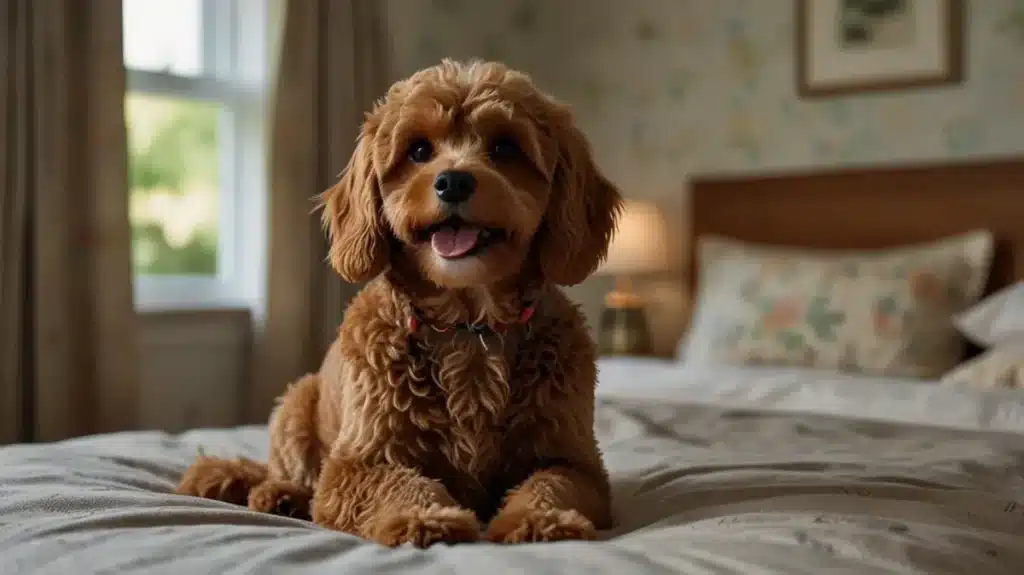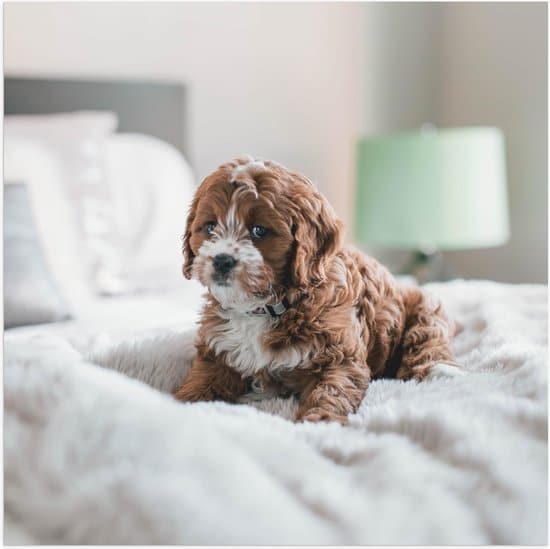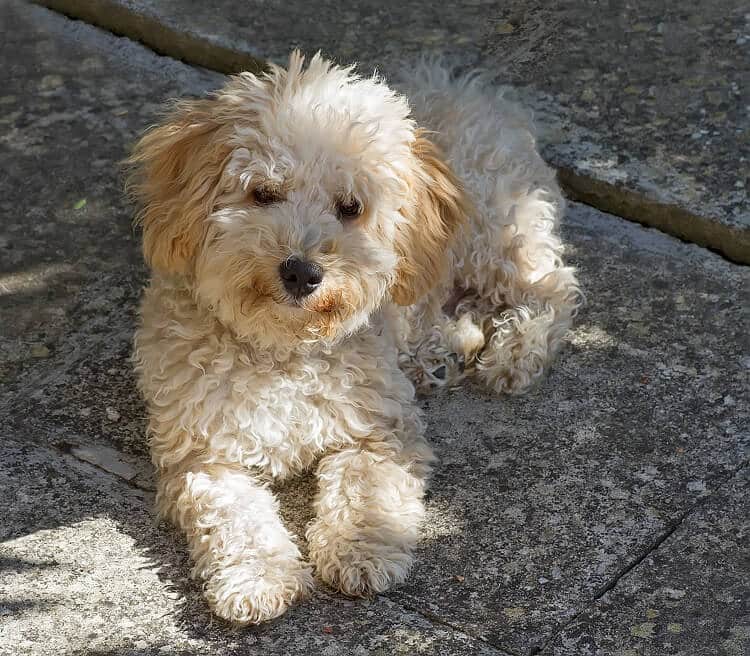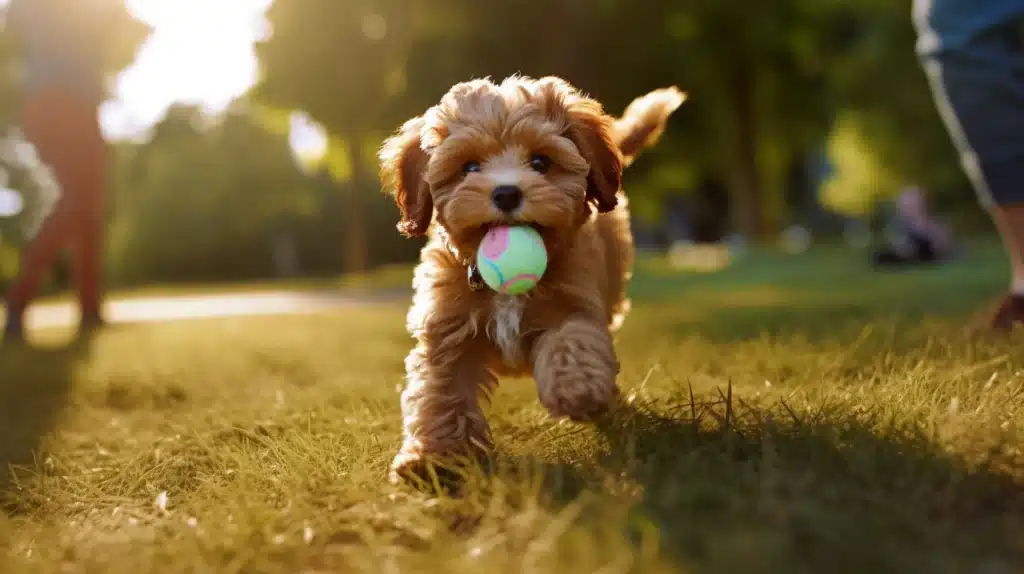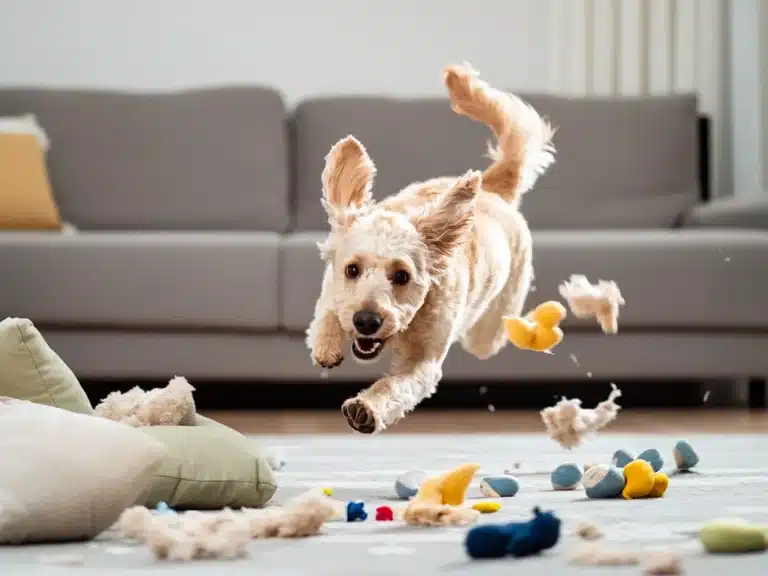
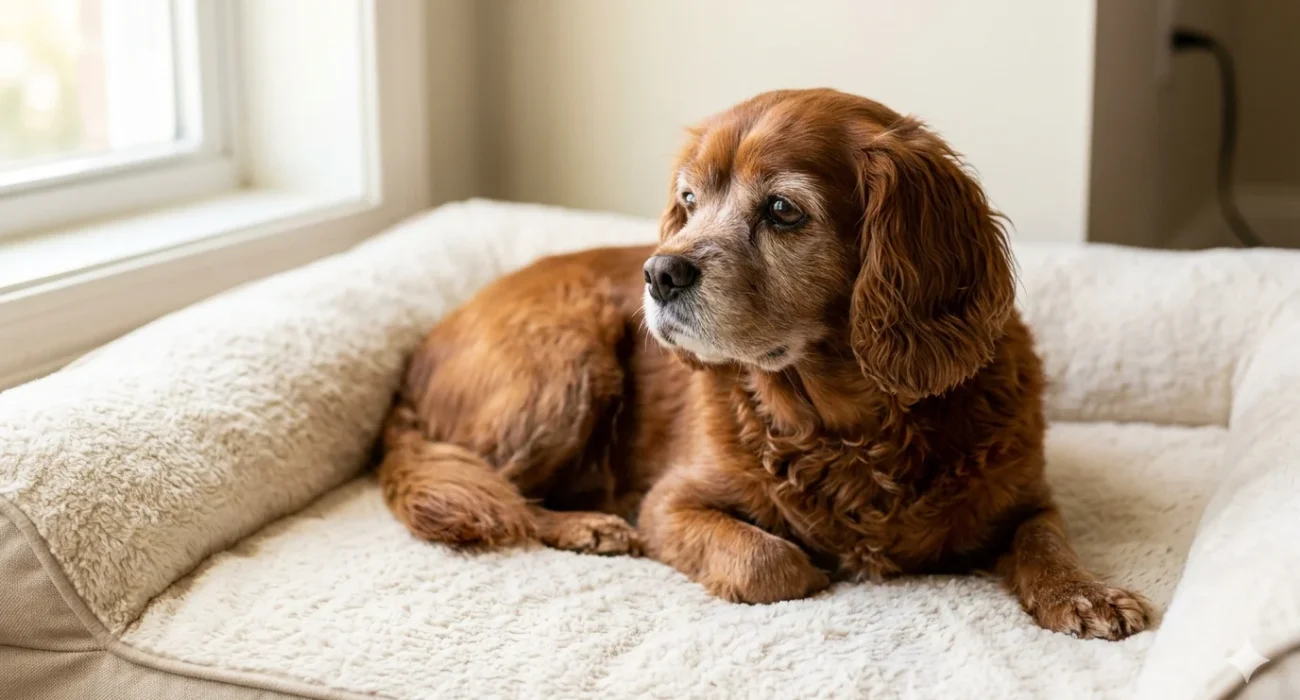
Signs Your Cavapoo Is Slowing Down can include longer naps, shorter walks, less intense play and mild stiffness after resting. Some changes are a normal part of aging, while sudden weakness, limping, coughing, appetite changes or difficulty moving may indicate an underlying health problem that needs veterinary attention. If you have a Cavapoo, you already know the vibe: they’re usually glued to you, ready for the next walk, the next snack, the next anything.
So when your Cavapoo starts slowing down, it can mess with your head a bit.
Is this normal “my dog is maturing” energy? Or is this a red flag?
In this guide, I’ll walk you through the most common signs your Cavapoo is slowing down, what’s totally normal, what’s more concerning, and what you can actually do next (without spiraling on Google at 1 a.m.).
Quick note: I’m not a vet, but I’ve spent a lot of time around dogs and dog owners, and I’m going to keep this super practical. If something feels “off,” it’s always okay to call your vet. You’re not being dramatic — you’re being responsible.
What Are the Signs Your Cavapoo Is Slowing Down?
Common signs your Cavapoo is slowing down include sleeping more, preferring shorter walks, taking longer to stand after resting, playing less intensely and becoming cautious around stairs or jumping. Gradual, mild changes may be normal, but sudden or worsening symptoms—especially limping, coughing, heavy panting, appetite changes or weakness—should be checked by a veterinarian.
Why Cavapoos “Slow Down” (And When It Typically Starts)
Cavapoos are a mix of Cavalier King Charles Spaniel and Poodle, and that matters because small breeds age differently than large ones.
The American Kennel Club guide to physical and mental signs of aging in dogs explains that older dogs may sleep more, move more slowly and experience changes in mobility, vision, weight and behaviour.
Typical timing (very general):
- Puppy to ~2 years: high energy, bursts of chaos.
- 3 to 6 years: emotionally stable, still playful.
- 7 to 10 years: many start acting more “senior‑ish.”
- 10+ years: clearer changes in stamina, sleep, and mobility.
But here’s the twist: slowing down doesn’t always mean aging. It can also be pain, stress, illness, poor sleep, or even boredom.
So we’re going to separate normal slow‑down signs from the ones that deserve attention.
The Big Difference: “Less Energy” vs “Less Ability”
Here’s a simple way to think about it:
Less energy: your Cavapoo chooses to rest more, still moves fine when motivated.
Less ability: your Cavapoo wants to move but struggles, limps, hesitates, or seems uncomfortable.
Aging is usually gradual. Health issues can also be gradual — but they almost always come with extra clues.
Sign #1: Longer Sleeps and More Naps
Normal
It’s completely normal for adult and senior dogs to sleep more. Many dogs sleep 12–14 hours a day, and seniors can sleep even more.
Normal looks like:
- Your Cavapoo naps more but wakes up happy.
- They still get excited for meals, walks, or visitors.
- Their mood seems basically the same.
Concerning
It becomes concerning if sleep looks like exhaustion or withdrawal — especially if it’s new or sudden.
Watch for:
- Hard to wake up, appears “out of it.”
- Not interested in favorite things.
- Sleeping more plus weight loss, coughing, vomiting, diarrhea, or drinking more water.
- Restlessness at night (pacing, whining, confusion).
If the change is sudden (over days to a couple of weeks) or paired with other symptoms, get a vet check — you’re not overreacting.
Sign #2: Your Cavapoo Doesn’t Want to Walk as Far
Normal
Some slowing on walks can be age‑related. Your Cavapoo might:
- Prefer shorter walks.
- Sniff more and stroll instead of racing ahead.
- Need more breaks on warm days.
Many Cavapoo owners notice their dogs naturally slow down on walks as they age, trading long fast walks for slower strolls and more sniff breaks over time.
Concerning
Look out for pain or respiratory clues:
- Lagging behind even on short walks.
- Sitting or lying down mid‑walk.
- Limping or uneven gait.
- Heavy panting out of proportion.
- Coughing during or after walks.
- Blue‑ish gums or tongue — emergency.
- Refusing walks completely when they used to love them.
Some Cavapoo owners have shared in this Reddit thread worry when their dogs refuse walks entirely, even though they previously enjoyed them, which often ended up being tied to underlying discomfort rather than “just being lazy”
What to do:
Video your dog walking from the side and front — vets often find videos more revealing than a clinic visit because dogs “act normal” when nervous.
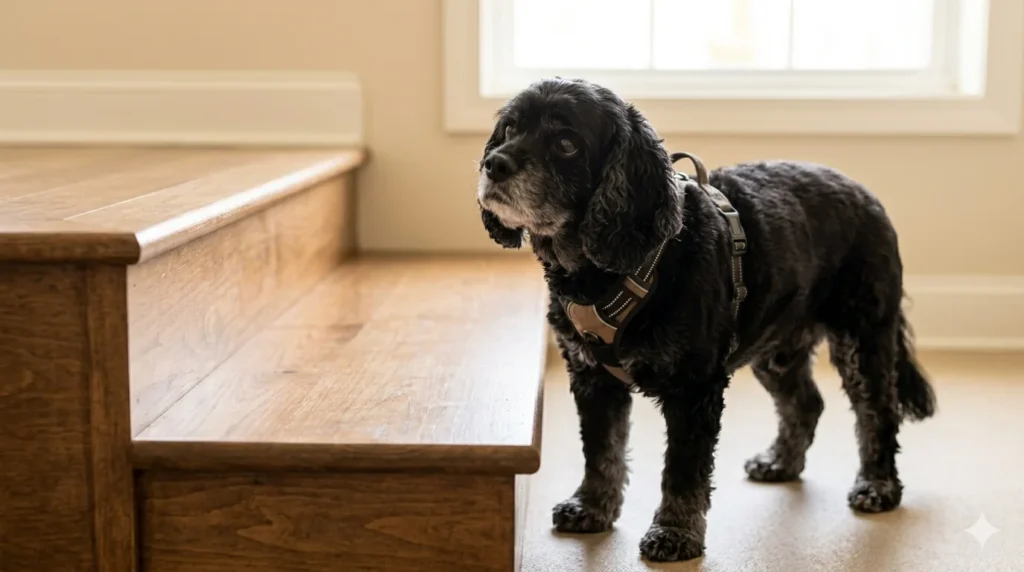
Sign #3: Hesitation With Stairs or Jumping
This is one of the biggest subtle signs of joint pain.
Normal
A little caution on slick stairs or after a minor slip isn’t unusual.
Normal looks like:
- Occasional hesitation but still able to do it.
- Better on carpet than hardwood.
- Still jumps sometimes — just not all the time.
Concerning
Watch closely for:
- Suddenly avoiding stairs entirely.
- Going up but not down (or vice versa).
- Standing at the bottom like they’re calculating physics.
- Whining when landing stiffly.
- Licking joints/paws.
- Stiffness after resting.
What to do:
Add traction (rugs), consider ramps for couch/bed access, and book a vet visit to talk about joints, kneecaps, hips, and pain management.
The American Kennel Club guide to arthritis in senior dogs explains how reduced play, stiffness and difficulty getting up may be linked to joint pain rather than aging alone.
Sign #4: Slower to Get Up After Resting
Normal
A senior Cavapoo may take a second to stretch and shake off sleep. A bit of “warm‑up time” can happen.
Concerning
This is one of the most classic signs of discomfort:
- Stiffness that lasts more than a few minutes.
- Worse in the morning or after naps.
- Trembling when standing.
- “Arched” back posture.
- Avoiding certain positions (won’t sit or lie on one side).
Don’t just say “old dog” — pain is often treatable. Your vet might suggest weight changes, supplements, physical therapy, or medication depending on the cause.
Sign #5: Less Interest in Play (Even With Favorite Toys)
Normal
Calm play shifting from sprinting to gentle tug or sniff games is typical of adult Cavapoos. Slower interactions with less chaotic play isn’t automatically a red flag.
Concerning
Be cautious if:
- They stop playing abruptly (not gradually).
- They seem flat or uninterested in anything fun.
- They avoid play because movement seems painful.
- They play a bit, then suddenly yelp or stop.
What to do:
Try low‑impact play like snuffle mats, gentle fetch on carpet, or short training games. If enthusiasm is gone across the board, have a vet check in.
Sign #6: Weight Gain or Weight Loss With No Routine Change
Normal
Many dogs need fewer calories as they age. If food stays the same but activity drops, weight can creep up.
Extra weight makes everything harder:
- Joints hurt more.
- They tire faster.
- Less movement leads to more weight — a vicious cycle.
Concerning
Rapid weight changes can signal other issues.
- Rapid gain without diet change may point to endocrine problems.
- Unexplained loss, especially with appetite changes, is more concerning.
- Weight loss + increased thirst/urination is worth checking.
What to do:
Weigh your Cavapoo monthly and track it. If it shifts noticeably, consult your vet for guidance.
Sign #7: More Panting, Less Stamina, or “Gets Tired Fast”
Normal
Panting is normal in heat, excitement, or after exercise.
Concerning
Panting that’s abnormal could be a clue for pain, heart, airway, or metabolic issues:
- Panting at rest in a cool room.
- Panting that wakes them up.
- Stamina dropping quickly over weeks.
- Coughing, gagging, or wheezing.
Cavapoos can inherit heart disease tendencies from the Cavalier side, so don’t ignore consistent coughs, exercise intolerance, or breathing changes.
What to do:
Count resting breaths while asleep. If it’s consistently high or your dog seems uncomfortable, call your vet.
Sign #8: Appetite Changes or “Food Motivation” Shift
Normal
A bit of pickiness can happen with age, especially if treats increase or dental discomfort arises.
Concerning
One of the earliest illness signs can be appetite change:
- Skipping meals repeatedly.
- Suddenly ravenous but losing weight.
- Drooling or pawing at the mouth.
- Bad breath that worsens.
- Chewing on one side more than the other.
Dental issues are common in small breeds and mixes. A painful mouth can make a dog “slow down” overall.
What to do:
If your dog allows it, check the mouth for red gums, tartar, or broken teeth — and schedule a dental assessment if needed.
Sign #9: “Grumpier” or Avoids Touch
Normal
Some older dogs want more personal space.
Concerning
Behavior changes can hide pain:
- Growling when touched or lifted.
- Avoids being pet in certain areas.
- Snaps when approached while resting.
- Doesn’t want to be brushed.
- Separation anxiety or clinginess.
Don’t punish the growl — it’s communication. Identify patterns and talk to your vet.
Sign #10: More Slips on Floors, Less Coordination
Normal
Some dogs are just not built for slippery floors — that’s not alarming if it’s always been the case.
Concerning
New or worsening clumsiness can mean:
- Long nails causing traction issues.
- Weakness or neurologic problems.
- Vision loss affecting navigation.
Watch for:
- Knuckling (paw folds under).
- Dragging paws.
- Head tilt.
- Circling.
- Sudden imbalance.
What to do:
Trim nails, add rugs, and get a vet exam if coordination changes persist.
Sign #11: Vision Changes
Normal
A mild cloudy look in older dogs can be age‑related and not blinding.
Concerning
Signs vision is declining:
- Bumping into furniture.
- Hesitating in dim light.
- Startling more easily.
- Avoiding jumps they used to do.
Cataracts or other eye issues can affect vision and comfort.
What to do:
Schedule an eye check if behavior changes with lighting or navigation.
Sign #12: Bathroom Changes
Normal
Senior dogs may need more frequent potty breaks.
Concerning
- Increased thirst/urination points to metabolic or kidney issues.
- Straining can be constipation or urinary problems.
- Accidents plus confusion can suggest cognitive changes.
Watch for:
- Peeing more than usual.
- Drinking more water.
- Blood in urine.
- Straining or crying.
- Sudden accidents in a previously reliable dog.
What to do:
Call your vet — urinary issues are common and often treatable.
Normal Aging vs. Concerning Changes — Cheat Sheet
Usually normal (gradual + mild):
- More naps
- Prefers shorter walks
- Less intense play
- Mild stiffness that improves quickly
- More cuddling, less chaos
Concerning (sudden or worsening):
- Refusing walks or stairs
- Limping, yelping, shaking
- Coughing or heavy panting at rest
- Appetite changes or weight loss
- Weakness, wobbliness, dragging paws
- Persistent vomiting/diarrhea
- Major personality changes
If one thing stands out — sudden change + other symptoms — that’s worth checking sooner than later.
What You Can Do at Home (Before and After the Vet)
Here’s the solution-focused part that helps most Cavapoo owners right away.
- Track changes like a detective.
Note walks, appetite, water intake, stiffness patterns — even simple notes set your vet visit up for succes - Make your home joint‑friendly.
Rugs on slippery floors, ramps for couch/bed, raised bowls, orthopedic beds — environment matters. - Tighten up grooming and nails.
Long nails change posture and traction — which alone can mimic “aging.” - Adjust exercise, don’t eliminate it.
Walk gently, split into shorter sessions, avoid long stair climbs and excessive jumping. - Consider supportive nutrition (with vet guidance).
Ask about joint supplements or weight‑management diets — but don’t stack supplements without a plan.
The American Kennel Club guide to making your home accessible for a senior dog offers practical advice on traction, ramps, mobility support and comfortable resting areas.
When You Should Call the Vet ASAP (Not “Wait and See”)
Don’t wait if your Cavapoo has:
- Trouble breathing, collapse, fainting
- Blue or pale gums
- Sudden inability to use a leg
- Severe pain or shaking
- Persistent vomiting/diarrhea
- Not eating/drinking (especially small dogs)
- Rapid belly swelling
- Major behavior changes plus lethargy
If it feels urgent, trust that instinct and call.
What to Expect at the Vet
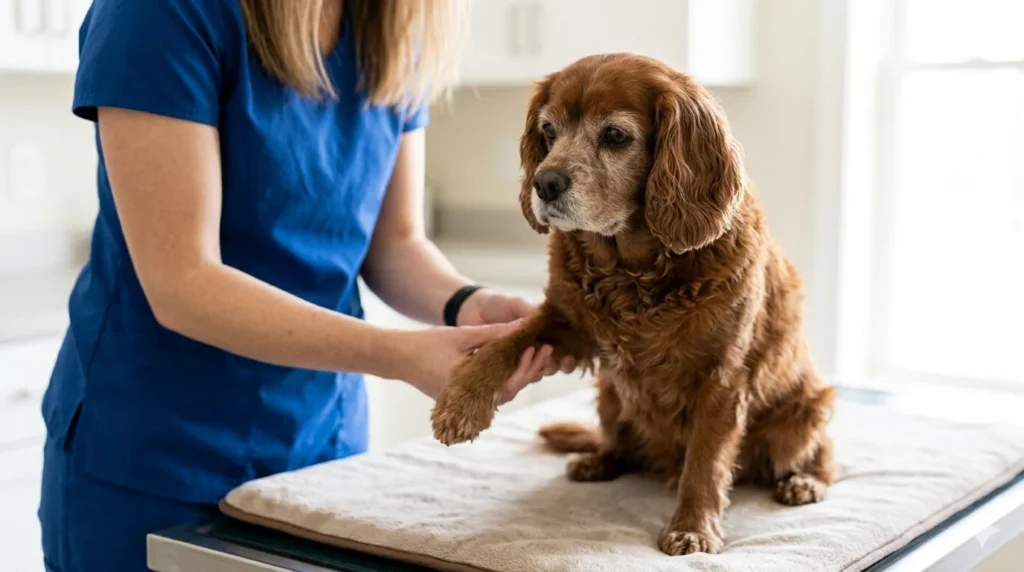
A good “slowing down” workup might include:
- Physical exam (joints, heart, lungs, abdomen)
- Dental check
- Weight and body condition score
- Bloodwork and urine tests
- X‑rays if arthritis or lameness is suspected
- Heart evaluation if coughing or exercise intolerance is present
Bring notes and videos if you can — video walking or rising from rest can be incredibly helpful for diagnosis.
How to Support a Slower Cavapoo Without Making Them Feel “Old”
Here’s the mindset that helps most:
Your dog slowing down doesn’t mean low quality of life. It often means different pacing.
Try:
- Replace intense fetch with scent games
- Short training sessions (sit, touch, spin)
- Rotate toys instead of overwhelming with all at once
- “Jobs” like finding treats in one room
- Prioritize comfort and routine
A slower Cavapoo can still be a very happy Cavapoo.
Let’s Wrap This Up
If your Cavapoo is slowing down, the goal is not to panic. The goal is to separate normal aging from fixable problems.
Here’s the simple takeaway:
- If the change is gradual, your dog still seems happy, and there are no extra symptoms, it’s often normal aging or lifestyle shifts.
- If the change is sudden, or it comes with signs like limping, coughing, heavy panting, appetite changes, accidents, or behavior changes, it’s time to get checked.
And in the meantime, the best “starter plan” looks like this:
- Track the changes for 1 to 2 weeks
- Make the home easier on joints (rugs, ramp, nails)
- Keep movement gentle but consistent
- Book a vet visit if anything feels off or worsens
Signs Your Cavapoo Is Slowing Down may be completely normal when they develop gradually and your dog remains happy, comfortable and interested in food, walks and family interaction. Longer naps, shorter walks and gentler play often reflect normal aging.
Sudden or worsening changes—especially limping, coughing, heavy panting at rest, appetite loss, weight changes, weakness, bathroom accidents or major personality changes—deserve veterinary attention. Track the symptoms, make your home easier to navigate and continue gentle, appropriate movement while seeking professional guidance when something feels wrong.
FAQs (Frequently Asked Questions)
Why is my Cavapoo slowing down, and when does this typically start?
Cavapoos usually start to slow down between 7 to 10 years of age, showing more ‘senior-ish’ behavior depending on their genetics, weight, activity, and health. This slowdown can be a normal part of aging or could indicate pain, stress, illness, poor sleep, or boredom. It’s important to distinguish between normal energy changes and signs that require attention.
What is the difference between ‘less energy’ and ‘less ability’ in slowing down Cavapoo?
‘Less energy’ means your Cavapoo chooses to rest more but still moves well when motivated—this is often normal aging. ‘Less ability’ means your dog wants to be active but struggles due to limping, hesitation, excessive panting, or discomfort. Less ability is more concerning and may indicate health issues needing veterinary attention.
Is it normal for my Cavapoo to sleep longer and take more naps as they age?
Yes, it’s normal for adult and senior Cavapoos to sleep 12 to 14 hours a day or more. Normal signs include napping more but waking up happy and remaining excited for meals, walks, or visitors. However, if your dog shows sudden exhaustion, withdrawal, or other symptoms like weight loss or increased thirst alongside increased sleep, consult your vet.
Should I be concerned if my Cavapoo doesn’t want to walk as far as before?
Some reduction in walking distance is normal with age; your Cavapoo might prefer shorter walks and take more breaks. However, if you notice lagging behind consistently, limping, heavy panting disproportionate to activity, coughing during walks, blue gums or tongue, or refusal to walk altogether, these are concerning signs that warrant a veterinary evaluation.
What does hesitation with stairs or jumping indicate in my Cavapoo?
Occasional caution with stairs or jumping can be normal as dogs age. But sudden avoidance of stairs or jumping, whining during these activities, slipping frequently, licking joints excessively, or stiffness after resting are signs of joint pain such as patellar luxation or hip issues. Adding traction rugs and consulting your vet about pain management is recommended.
Is it normal for my Cavapoo to be slower getting up after resting?
A slight delay in getting up and stretching after resting can be normal for senior Cavapoos. However, stiffness lasting more than a few minutes—especially worse in the morning or after naps—trembling or shaking when standing are classic signs of discomfort that should prompt a veterinary visit for assessment and care.