Cockapoo Separation Anxiety Solutions can help owners manage one of the breed’s most common behavioural challenges. Because Cockapoos are affectionate, intelligent and highly people-oriented dogs, many struggle when left alone for long periods. Fortunately, separation anxiety can usually be improved through gradual independence training, calm routines and positive reinforcement.
This guide explains how to recognise true separation anxiety, avoid common mistakes and build your Cockapoo’s confidence so they can stay home alone without unnecessary stress.
Which is great… until you try to leave the house.
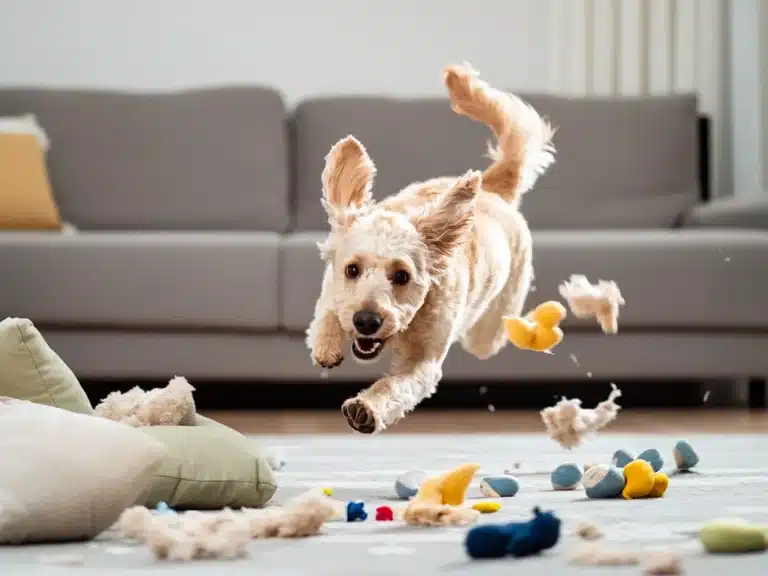
That’s when the barking, whining, pacing, scratching at doors, or full-on “home destruction mode” can kick in.
Separation anxiety is one of the most common challenges Cockapoo owners face. And it’s not random—it’s largely because Cockapoos tend to be:
- Extremely people-focused (classic velcro dog behavior)
- Highly intelligent (they learn your routines fast)
- Emotionally sensitive
- Prone to boredom without enough stimulation
The good news? In most cases, separation anxiety is very manageable—and often fixable—with the right approach.
Let’s walk through what actually works.
How do you treat Cockapoo separation anxiety?
Cockapoo separation anxiety is best managed with gradual alone-time training, independence exercises, trigger desensitisation, mental enrichment and calm daily routines. Avoid punishment or forcing your dog to “cry it out,” as this usually increases anxiety instead of solving it.
First: Is It Really Separation Anxiety?
Before jumping into solutions, make sure you’re dealing with true separation anxiety—not something else that looks similar. The VCA Animal Hospitals guide to separation anxiety in dogs explains why gradual independence training is the safest and most effective long-term treatment.
Common mix-ups include:
1) Mild protest behavior
Whining for a minute or two after you leave, then settling. Annoying, but normal.
2) Boredom
A Cockapoo with too much energy will entertain itself—chewing, barking, or exploring everything it shouldn’t.
3) Lack of independence training
Dogs that are never taught to be alone don’t magically learn it.
4) Barrier frustration
Some dogs panic when physically blocked (like behind a gate), even if you’re still home.
5) Medical issues
Sudden accidents or behavior changes could be linked to health problems—not anxiety.
If the behavior is new or extreme, a vet check is always a smart first step.
Cockapoo Separation Anxiety Solutions: Quick Overview
Cockapoo separation anxiety usually develops because these companion dogs form extremely strong bonds with their owners. With gradual training, independence building and consistent routines, most dogs can learn that being alone is safe and predictable.
Signs of True Separation Anxiety
Real separation anxiety is panic—not mischief.
Look for:
- Constant barking or howling that doesn’t stop
- Destruction focused on doors, windows, or crates
- Drooling, panting, or shaking before you leave
- Pacing and inability to settle
- Escape attempts
- Accidents despite being house-trained
- Refusal to eat when alone
- Over-the-top greetings when you return
One Cockapoo owner shared in this Reddit thread about dogs panicking when left alone that their dog would bark continuously and ignore food the entire time they were gone—classic signs of true anxiety, not boredom.
Pro tip: Use a camera. What happens after you leave matters more than what happens before.
Why Cockapoos Struggle With Being Alone
Cockapoos combine traits from two very human-oriented breeds. The result?
- Strong emotional bonding
- High awareness of your movements
- Fast learning of routines (“keys = leaving”)
- Sensitivity to change
So if your dog struggles, it’s not a failure—it’s just how they’re wired. You’re teaching a skill they weren’t born with.
The Biggest Mistake: “Cry It Out”
Letting a dog “just deal with it” might work for mild whining.
But for true anxiety, it usually makes things worse.
Why? Because the dog is repeatedly practicing panic—and panic reinforces itself.
The goal isn’t endurance.
It’s teaching safety.
The Core Solution: Gradual Alone-Time Training
This is the foundation of everything.
Step 1: Create a Safe Space
This could be:
- A crate (only if they’re already comfortable)
- A puppy-proofed room
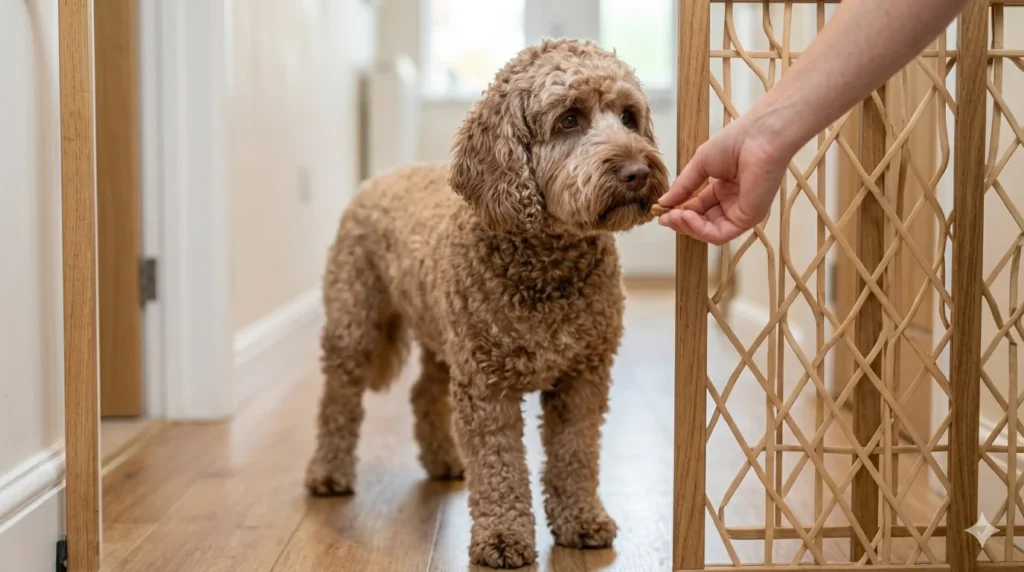
- A playpen or gated area
Include:
- Water
- A comfortable resting spot
- Optional white noise
- Safe enrichment
If your dog panics in a crate, don’t force it—use a room instead.
Step 2: Practice Separation While You’re Home
Start small:
- Step into another room briefly
- Close a door for a second
- Move around without constant contact
Do 10–20 repetitions daily. Keep it calm and uneventful.
Step 3: Start Tiny Exits
- Leave for 2–10 seconds
- Return before stress begins
- Stay calm when you come back
If your dog reacts for 5 seconds, aim for 3 next time.
Step 4: Build Time Gradually (and Randomly)
Avoid predictable patterns.
Instead of:
10s → 20s → 30s
Try:
10s → 20s → 15s → 30s → 25s
This prevents anticipation anxiety.
Step 5: Measure Calmness, Not Silence
Look for:
- Relaxed posture
- Lying down
- Casual sniffing
- Willingness to eat
If your dog won’t settle or eat, you’re progressing too fast.
Fixing Pre-Departure Triggers
Cockapoos quickly associate cues like:
- Picking up keys
- Putting on shoes
- Grabbing a bag
To break this:
- Pick up keys and sit down
- Put on shoes and stay home
- Repeat daily
Another owner described in this Reddit thread about dogs reacting to departure cues how their puppy would panic if the second keys jingled—even before they left the house.
This removes the “signal” that something bad is coming.
Enrichment That Actually Helps
Not all enrichment works for anxious dogs.
Good options:
- Lick mats
- Frozen food (easy to access)
- Snuffle mats
- Simple puzzle toys
Use cautiously:
- Complex puzzles (can frustrate)
- Toys that roll away
- Items that trigger guarding
If your dog won’t eat, stress is too high—focus on training pace instead.
Exercise: Calm, Not Chaotic
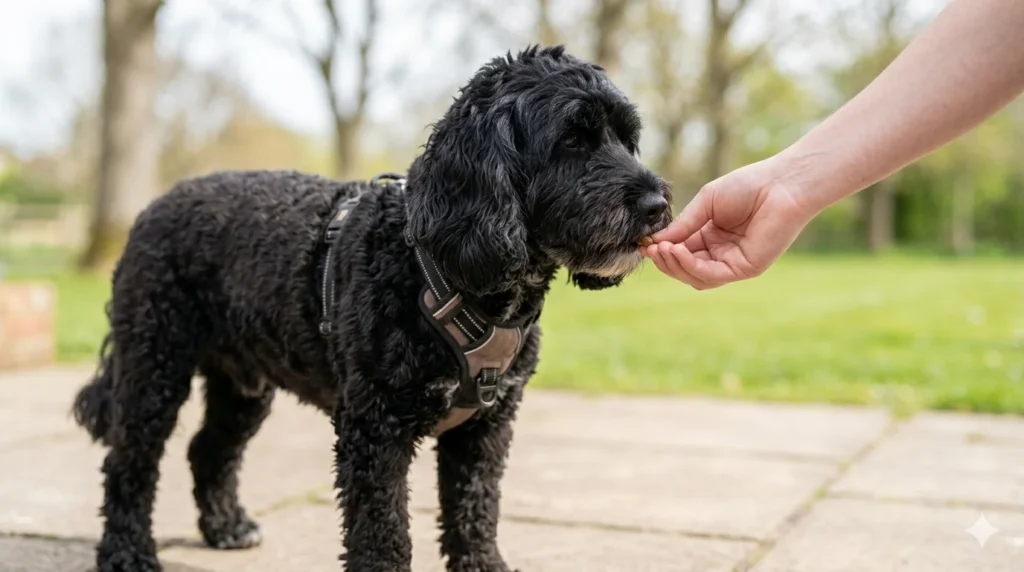
Before leaving:
Helpful:
- 20–40 minute sniff walk
- Light training
- Gentle play
Avoid:
- High-intensity fetch
- Overstimulation
- Leaving right after excitement
Aim for calm, tired, not overstimulated. The American Kennel Club guide to dog behaviour and training explains how structured routines, enrichment and positive reinforcement improve emotional wellbeing.
Build Independence Daily
Small habits make a big difference:
- Teach settling on a mat
- Use baby gates for gentle separation
- Reward calm behavior, not clinginess
You’re teaching your dog: “We don’t always need to be touching.” The RSPCA guide to reward-based dog training explains why rewarding calm behaviour creates lasting confidence without increasing fear.
Keep Departures and Arrivals Low-Key
Big emotional moments can increase anxiety.
Before leaving:
- Reduce attention
- Leave calmly
When returning:
- Wait for calm behavior
- Greet gently
Crate Training: Not for Every Dog
Crates work well if your dog feels safe.
They don’t work if your dog:
- Panics immediately
- Tries to escape
- Injures themselves
In that case, switch to a room setup.
Real-Life Problem: “I have a Job”
You can’t always train slowly without leaving.
Options:
- Doggy daycare (even part-time)
- Pet sitter drop-ins
- Practicing short exits even when home
- Managing environment to reduce stress
Management prevents setbacks while you train.
When to Consider Extra Help
Try supplements:
- L-theanine
- Calming probiotics
- Pheromone diffusers
Consider medication if:
- Panic is severe
- No progress with training
- Self-harm or extreme distress occurs
Medication can make learning possible—it’s not a failure.
Simple 2-Week Starter Plan
Days 1–3
- Set up camera
- Choose safe space
- Start trigger desensitization
- Practice micro-separations
Days 4–7
- 5–10 short exits daily
- 2–10 seconds each
- Keep everything calm
Days 8–14
- Gradually build to 1–5 minutes
- Mix durations
- Step back if needed
Common Problems (Quick Fixes)
- “Keys trigger panic” → Do more fake-outs
- “Won’t eat when alone” → Reduce duration
- “Worse after weekends” → Practice separations daily
- “Big setback after one long absence” → Go back a step
The Bottom Line
Cockapoo Separation Anxiety Solutions focus on teaching your dog that being alone is safe rather than forcing them to tolerate panic. Through gradual alone-time training, independence exercises, mental enrichment and calm daily routines, most Cockapoos become more relaxed and confident over time.
Stay patient, progress at your dog’s pace and celebrate small improvements. Consistency is far more important than speed when helping a Cockapoo overcome separation anxiety.
Cockapoo separation anxiety feels overwhelming because it affects your daily life.
But the solution is consistent, not complicated:
- Prevent repeated panic
- Desensitize triggers
- Build alone time gradually
- Encourage independence daily
- Use exercise and enrichment wisely
Start small, stay consistent, and track progress with a camera.
Once your Cockapoo learns that being alone is safe, everything changes—for both of you.
FAQs (Frequently Asked Questions)
What is separation anxiety in Cockapoos and how can I tell if my dog has it?
Separation anxiety in Cockapoos is a panic response when they are left alone, characterized by intense vocalizing (howling, barking, screaming), destructive behavior focused on exits, drooling, panting, trembling before you leave, pacing loops, escape attempts, urinating or pooping despite being house-trained, refusing food or treats when alone, and over-the-top greetings upon return. Setting up a camera to observe your Cockapoo after you leave is a helpful way to confirm true separation anxiety.
Why are Cockapoos particularly prone to separation anxiety?
Cockapoos are prone to separation anxiety because they are highly social dogs that bond deeply with their owners. They are very tuned into your mood and movements, quick learners of routines (including associating certain cues with departure), sensitive to change, and easily frustrated if under-stimulated. Their smart and affectionate nature makes them more likely to experience distress when left alone.
How can I differentiate between true separation anxiety and other similar behaviors in my Cockapoo?
True separation anxiety involves panic behaviors when left alone. However, some behaviors may be due to normal protest whining that settles quickly, boredom or under-exercise leading to mischief like chewing or barking, lack of independence training from constant company, barrier frustration when blocked from you even if you’re home, or medical issues such as urinary tract infections or pain. Observing the specific signs and consulting a vet if sudden changes occur can help differentiate these conditions.
What is the recommended approach to help a Cockapoo overcome separation anxiety?
The core fix is graduated alone-time training. This involves choosing a safe spot for your dog (crate or puppy-proofed room), practicing calm micro-separations while still at home (like stepping behind a door for seconds), starting real but very brief exits followed by calm returns before panic starts, and gradually increasing the time away in an uneven pattern to prevent your dog from anticipating your return. The goal is for your Cockapoo to feel safe being alone rather than just endure it.
Why is the ‘cry it out’ method not advised for treating separation anxiety in Cockapoos?
The ‘cry it out’ method—leaving your dog alone until they get used to it—often backfires with true separation anxiety because the dog practices panic repeatedly, which reinforces their fear. Instead of learning safety alone, they learn distress alone. The goal should be teaching your Cockapoo that being alone is safe through gradual training rather than forcing them to endure panic.
What steps should I take before assuming my Cockapoo’s accidents or anxious behavior are due to separation anxiety?
Before assuming separation anxiety, consider other factors like medical issues (urinary tract infections, GI upset, pain), boredom due to lack of exercise or stimulation, barrier frustration when physically blocked from you even if you’re home, or simply normal protest whining. If your dog’s anxious behavior appears suddenly or includes accidents despite being house-trained, consult your vet first to rule out medical causes.