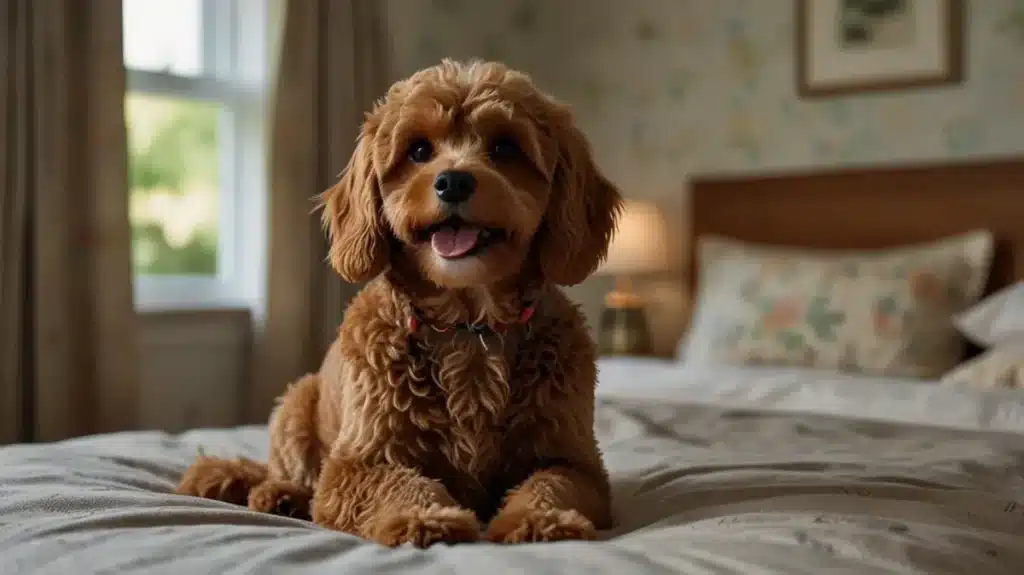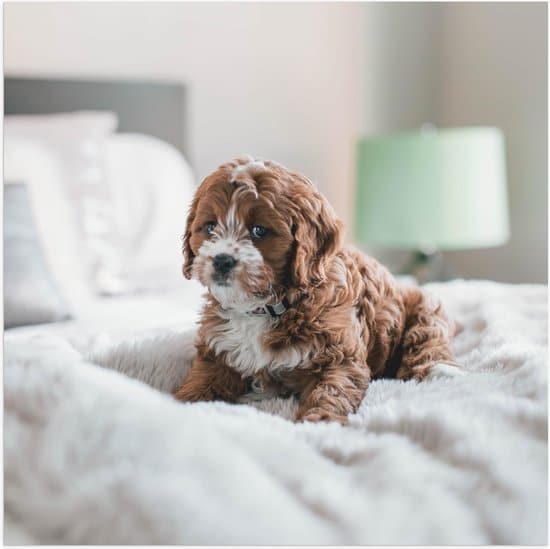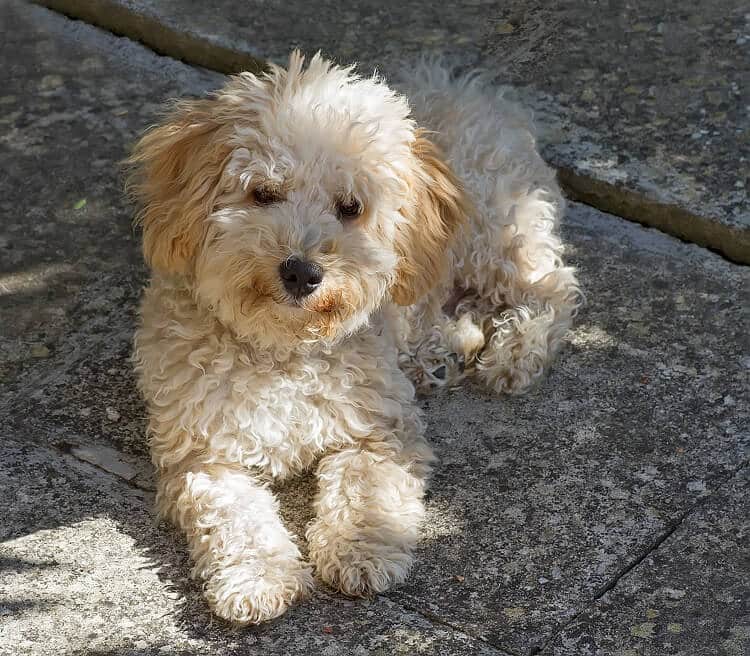
Best Brush for Cockapoo Coat Type is one of the most common questions new Cockapoo owners ask. Choosing the right brush depends on your dog’s coat type, whether it is straight, wavy or curly. This guide explains which grooming brushes work best, how to brush correctly and how to prevent painful mats before they start.
You buy a “top-rated dog brush” online, brush for 3 minutes, and either:
- Nothing happens (the coat still looks messy),
- Your dog hates it (pulling, scratching, drama),
- Or you realize the brush only hits the top layer and the mats underneath are still chilling.
Here’s the thing. There is no single “best brush for Cockapoos.”
There’s a best brush for your Cockapoo’s coat type, and once you match the tool to the coat, grooming gets way easier, your dog looks better, and matting stops turning into a monthly crisis.
This guide breaks down coat types, the best brush for each, how to brush properly, and what to do if your dog already has tangles or mats.
What is the best brush for a Cockapoo?
The best brush for a Cockapoo depends on its coat type. Most Cockapoos benefit from a medium slicker brush paired with a Greyhound comb. Straight coats are easier to maintain with a pin brush, while curly coats require a firmer slicker brush and regular line brushing to prevent painful mats.
The VCA Animal Hospitals guide to brushing your dog correctly explains why line brushing reaches the coat close to the skin and helps prevent hidden mats.
Quick answer: the best brush for most Cockapoos
If you want the simplest “buy this first” answer:
Get a medium slicker brush + a greyhound comb
That combo covers most Cockapoo coats because:
- Slickers remove loose hair and detangle
- Combs catch what you missed underneath
One pet owner shared in this Reddit thread about persistent matting despite brushing that even with frequent brushing, mats kept showing up—until they realized they were only brushing the surface and missing the undercoat completely.
That’s the difference-maker. The American Kennel Club’s guide to brushing your dog’s coat explains how choosing the correct grooming tools helps reduce tangles and maintain healthy skin.
Step 1: Identify your Cockapoo coat type (this changes everything)
Cockapoos usually fall into one of these:
1) Straight / flatter coat (Cocker-leaning)
- Lies closer to the body
- Tangles around ears, collar, legs
- Slightly more shedding
2) Wavy / fleece coat (most common)
- Fluffy, teddy-bear look
- Tangles in friction zones
- Easiest if maintained properly
3) Curly / wool coat (Poodle-leaning)
- Tight curls
- Mats fast and deep
- Needs more precise brushing
4) Coat transition phase (6–12 months)
This is where things go wrong fast.
Many owners say things like:
“I swear I brushed every day and still had to shave him.”
That’s the coat change. It tangles underneath even when the top looks fine.
The biggest Cockapoo brushing mistake
Most people surface brush.
It looks like brushing… but it’s basically petting.
Result:
- Top looks fluffy
- Undercoat mats silently
You only catch this when the comb gets stuck.
Best brush for straight Cockapoo coats
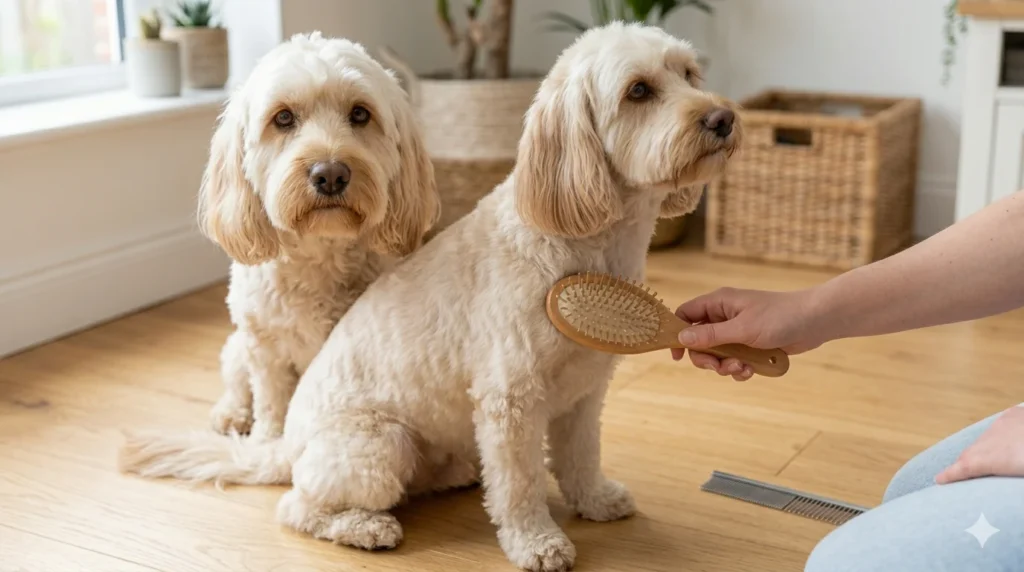
Best tool: Pin brush
- Gentle on skin
- Glides through flat coats
- Great for maintenance
Also needed: Greyhound comb
Even straight coats mat behind ears and collars.
One owner mentioned in this Reddit thread about overcoming grooming resistance that their dog would fight brushing every time—until they slowed down, used softer tools, and rewarded calm behavior.
Optional: Soft slicker
Useful for small tangles, but don’t overuse.
Best brush for wavy (fleece) Cockapoos
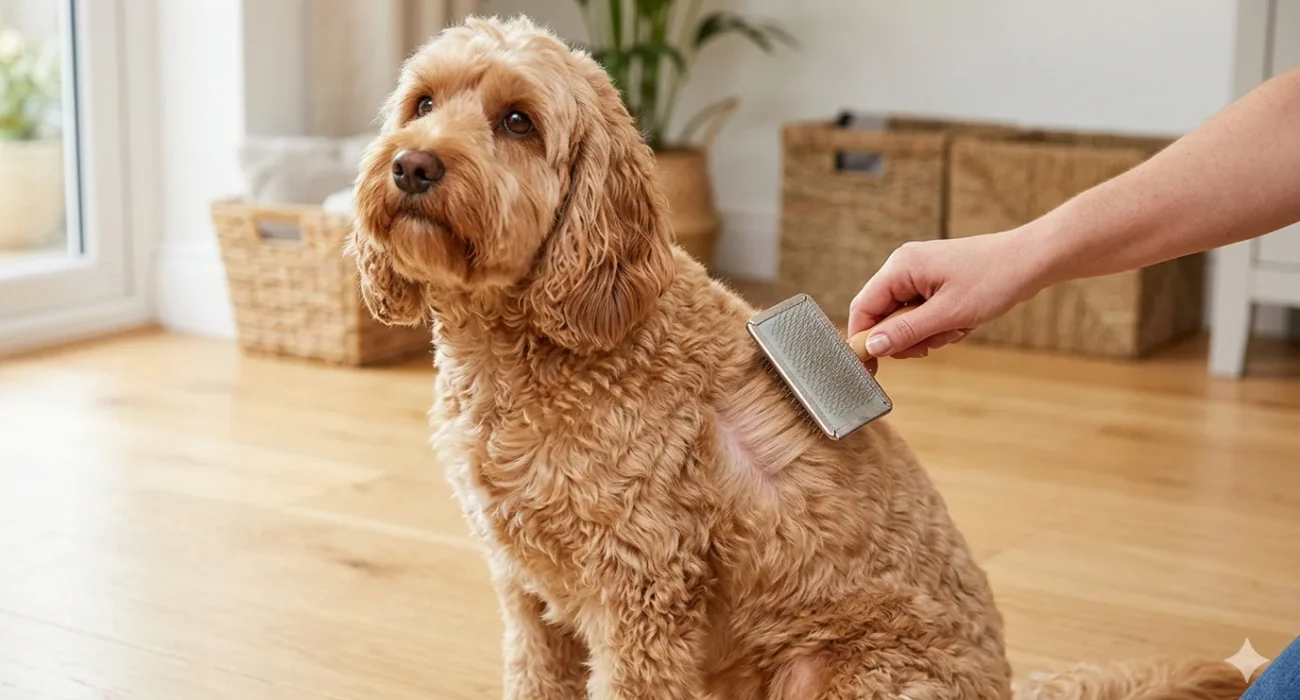
Best tool: Medium slicker brush
This is the workhorse for most Cockapoos.
Why it works:
- Separates hair
- Prevents knot buildup
- Handles friction areas
Must-have: Greyhound comb
This is non-negotiable.
A common insight:
Owners often think their dog is “mat-free” until a groomer runs a comb and finds packed knots near the skin (frequently discussed in r/doggrooming).
That’s exactly what the comb prevents.
Optional: Detangling spray
Reduces pulling and makes sessions easier.
Best brush for curly Cockapoos
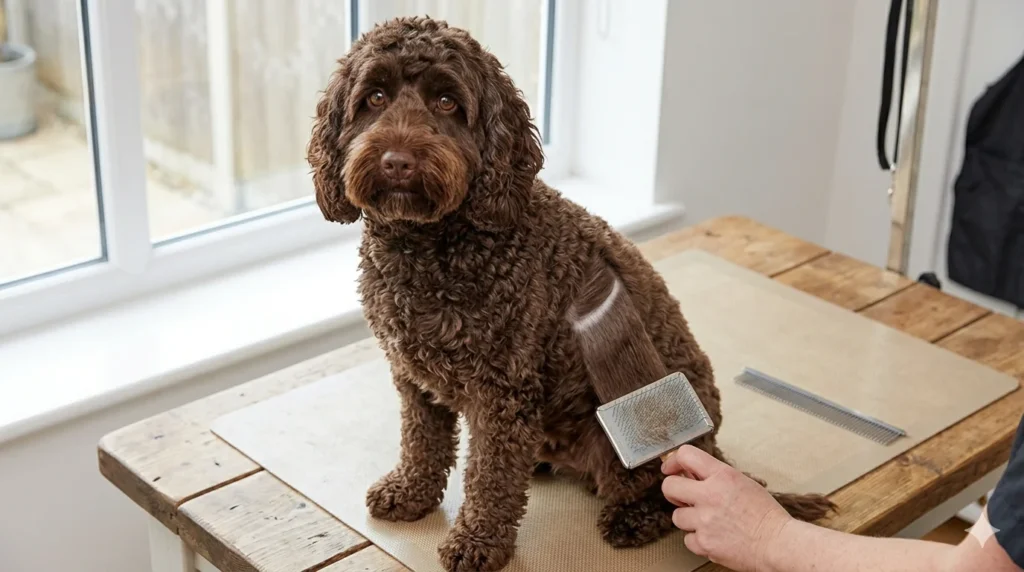
Best tool: Firm slicker brush
Curly coats need more penetration. Soft brushes won’t reach the base.
Non-negotiable: Greyhound comb
For curly coats, the comb is your truth check.
Optional: Dematting tool (carefully)
Use only for small knots. Tight mats = groomer visit.
Best brush for puppies (and coat change phase)
Start with:
- Soft slicker (wavy/curly pups)
- Pin brush (straight pups)
But the real priority is:
Teach comb tolerance early
Many owners regret skipping this.
The brush combo that solves most problems
If you remember one thing:
Slicker brush + Greyhound comb
That’s the system that prevents:
- Hidden mats
- Groomer shave-downs
- Painful brushing sessions
How to brush a Cockapoo properly
Step 1: Slightly damp coat
Use a light mist → prevents breakage
Step 2: Start with friction zones
- Behind ears
- Armpits
- Collar/harness area
- Tail base
These are mat hotspots
Step 3: Line brushing
- Part coat
- Brush in layers
- Work from skin outward
Step 4: Comb check
If the comb snags → go back
Step 5: Keep sessions short
5 minutes is enough if done daily
How often should you brush?
Straight coat
2–3x per week
Wavy coat
3–5x per week
Curly coat
Daily or every other day
Coat transition
Treat like curly → brush more often
Common problems (and fixes)
“My Cockapoo hates brushing”
- Use softer brush first
- Brush after exercise
- Reward constantly
“I brush but still find mats”
You’re likely:
- Surface brushing
- Skipping comb checks
- Missing friction zones
“The brush scratches my dog”
- Too much pressure
- Wrong brush firmness
- Brushing over mats
Fix: lighter strokes + detangling spray
“Ears always get tangled”
Behind ears is the #1 mat zone.
Fix:
- Comb every session
- Trim shorter if needed
What to do if your Cockapoo already has mats
Small, loose mats
- Use spray
- Finger separate
- Then slicker + comb
Tight mats near skin
Don’t fight it.
Best option:
- Professional groomer
- Reset with shorter cut
And yes—shaving is often the kindest choice. The Merck Veterinary Manual’s guide to skin and coat health in dogs explains why regular grooming supports healthy skin and reduces mat-related problems.
Two tools people underestimate
1) Greyhound comb
Catches what brushes miss
2) Grooming spray
Reduces pain and breakage
Quick cheat sheet
Straight coat:
Pin brush + comb
Wavy coat:
Medium slicker + comb
Curly coat:
Firm slicker + comb
Puppy phase:
Soft brush + early comb training
What groomers wish you knew
Most grooming problems are not about the brush.
They’re about:
- Inconsistent brushing
- Wrong technique
- No comb check
- Letting coat get too long
Let’s wrap this up
The best brush for a Cockapoo depends on coat type, but for most dogs, the winning setup is simple:
A slicker brush that matches your coat + a greyhound comb to confirm it’s fully detangled
If your Cockapoo is straight, go gentler with a pin brush.
If wavy, a medium slicker will do most of the work.
If curly, go firmer and commit to proper line brushing.
Do that consistently, and you’ll avoid 90% of grooming headaches—and those surprise “we had to shave him” groomer visits.
FAQs (Frequently Asked Questions)
What is the best brush for most Cockapoo coats?
For most Cockapoos, the best starting point is a medium-slicker brush combined with a greyhound comb. The slicker brush removes loose hair and helps with tangles, while the comb checks for mats underneath the top layer.
How do I identify my Cockapoo’s coat type?
Cockapoo coats usually fall into four categories: 1) Straight or flatter coat (more Cocker-like), 2) Wavy/fleece coat (classic Cockapoo look), 3) Curly/wool coat (more Poodle-like), and 4) Puppy coat transitioning to adult coat (6-12 months old). Identifying your dog’s coat type helps choose the right grooming tools.
What is the biggest brushing mistake that causes mats in Cockapoos?
The biggest mistake is brushing only the top layer like petting, which leaves mats forming near the skin and undercoat. Using a comb after brushing is essential to reach deep tangles and prevent matting.
Which brush is recommended for straight or flatter Cockapoo coats?
A pin brush with rounded tips and a cushioned base is best for straight coats because it glides through without scraping. Also, use a greyhound comb to check common matting areas like behind ears and under collars.
How should I groom a wavy or fleece Cockapoo coat?
Use a medium firmness slicker brush with slightly angled pins to lift and separate hair, preventing knots especially in friction zones. Always follow up with a greyhound comb to detect missed tangles. A detangling spray can also help reduce static and ease brushing.
What grooming tools work best for curly or Poodle-like Cockapoo coats?
A firm slicker brush with firm but not sharp pins and good build quality is ideal for curly coats because softer slickers won’t penetrate deeply enough. Regular comb checks are crucial since mats can form deep under the curls even if the top looks fine.