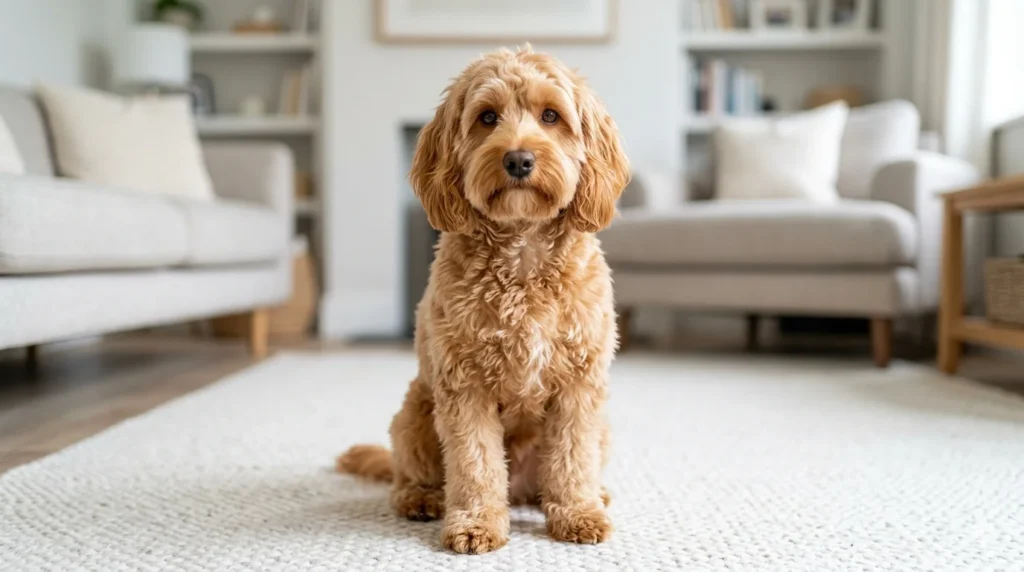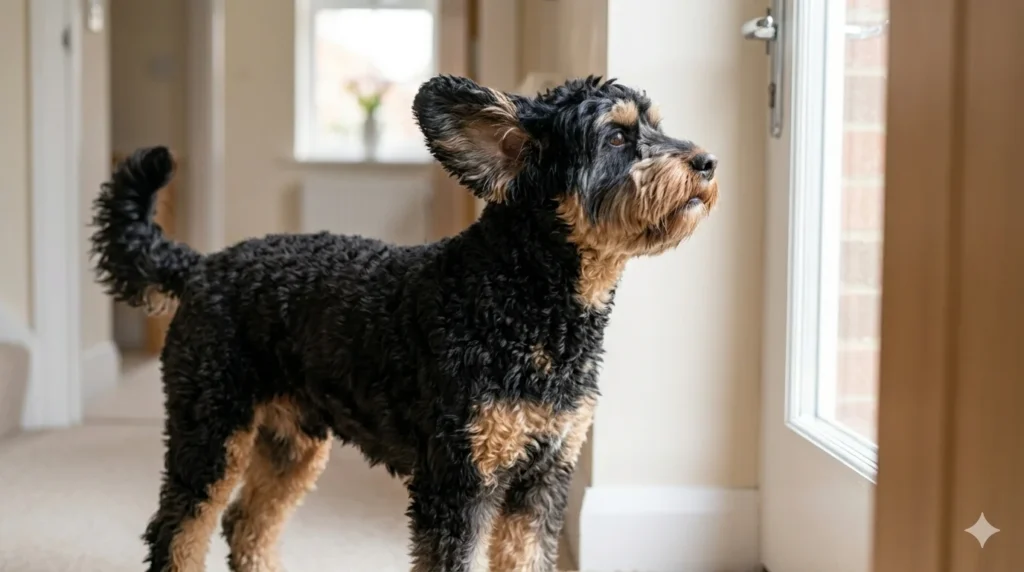
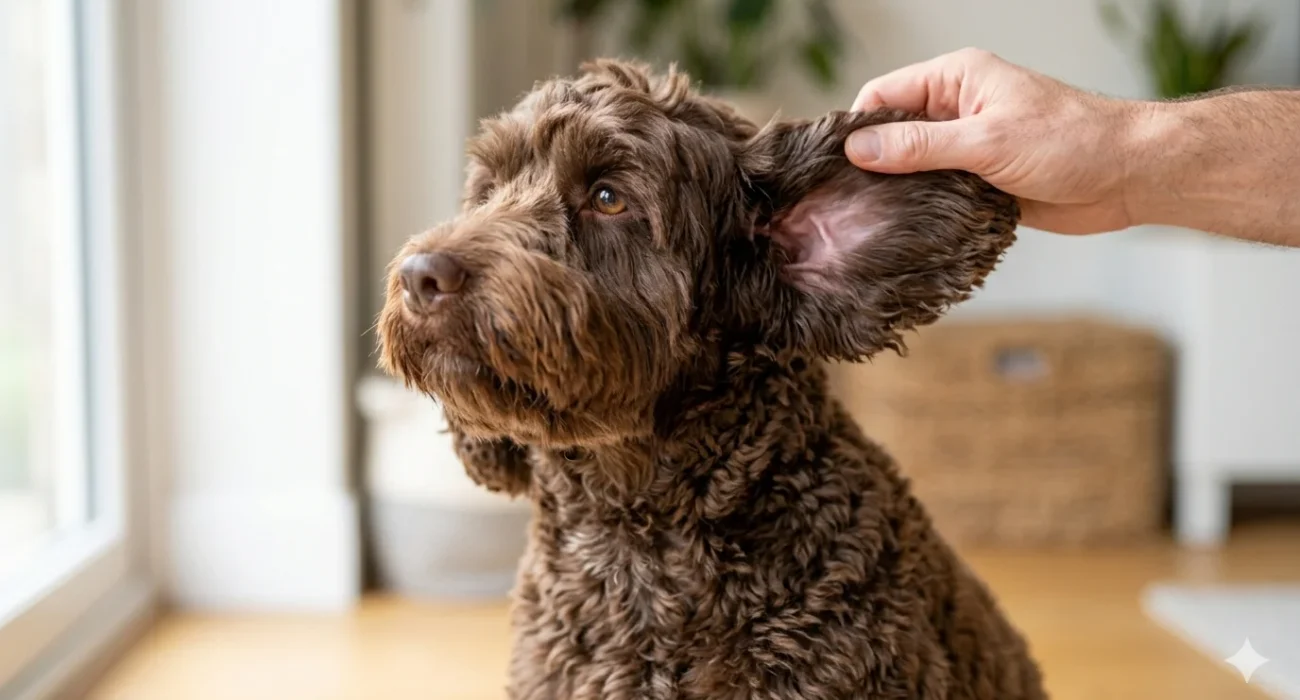
Cockapoo ear infection signs can include frequent head shaking, ear scratching, redness, swelling, unpleasant smells, unusual discharge and sensitivity when the ear is touched. Recognising these symptoms early can help prevent a mild ear problem from becoming painful or chronic. If you have a Cockapoo, you already know they’re basically a cute, bouncy sponge for everything in the environment — mud, pollen, bath water, crumbs… and unfortunately, ear gunk.
Cockapoos are prone to ear infections. Not because you’re doing anything “wrong,” but because their floppy ears trap warmth and moisture, their dense hair can limit airflow, and many are allergy-prone. All of that makes the perfect environment for yeast and bacteria to overgrow.
If you catch an ear infection early, treatment is usually straightforward. If you miss it, it can become painful, chronic, and expensive.
Let’s walk through the real signs (including the subtle ones people often miss), what’s normal vs. not, what you can safely do at home, and when it’s time to stop Googling and call your vet.
What Are the Main Cockapoo Ear Infection Signs?
The most common Cockapoo ear infection signs are repeated head shaking, scratching one ear, redness, swelling, foul odour, excessive wax, brown or yellow discharge, pain when touched and changes in behaviour. Head tilting or balance problems may indicate a deeper infection and require urgent veterinary attention.
Why Cockapoos Get Ear Infections So Often
Most Cockapoos have:
- Floppy ears that trap warmth and moisture
- Hair around (and sometimes inside) the ear canal
- A tendency toward allergies (food and environmental)
- A love for swimming, puddles, and baths
That warm, slightly moist, low-airflow situation is basically a spa day for yeast and bacteria. Infections often start subtly and then snowball if ignored.
The Most Common Cockapoo Ear Infection Signs
1) Frequent Head Shaking
A little head shake now and then is normal. But if your dog starts shaking their head multiple times a day, that’s one of the earliest and most classic signs of ear irritation or infection.
Many owners share this exact pattern—head shaking with an unclear cause—and end up finding infection or irritation once checked. As detailed in this Reddit discussion about frequent head shaking, a dog was shaking its head repeatedly with wax buildup that owners and vets debated was infection vs. irritation, showing how confusing and subtle these early signs can be.
2) Scratching at One Ear or Rubbing It
Cockapoos are creative when they’re uncomfortable:
- Scratching one side more than the other
- Pawing at the ear repeatedly
- Rubbing their head on the carpet or your leg
If it’s more than a day or two, it’s worth checking the ear closely.
3) Strong or Foul Smell
Healthy ears have almost no odor — maybe a faint normal dog smell. But strong odors like musty, sour, cheesy, or downright awful usually mean yeast or bacteria are overgrowing.
In another real Reddit example, an owner described a foul ear smell in this discussion about pungent ear odors so strong it made them gag. Along with head shaking and brownish gunk, these were the classic signs many other owners immediately recognized as a deep-seated infection requiring medical attention.
4) Redness or Swelling Inside the Ear
Lift the ear flap and look inside:
- Pink turning bright red
- Inflamed, angry-looking skin
- Puffiness around the opening
If your Cockapoo flinches when you touch the ear, that’s another red flag.
5) Discharge or “Gunk” That’s More Than Normal Wax
Some wax is normal. What’s not normal is:
- Thick brown or black buildup
- Yellow or green discharge
- Wet sticky fluid that returns after cleaning
- Pus-like material
These usually mean yeast, bacteria, or both.
6) Sensitivity or Pain When Touching the Ear
If your dog used to tolerate ear cleaning or grooming and now pulls away, yelps, or acts anxious, that’s pain — not stubbornness.
7) Head Tilt or Balance Changes
A slight head tilt can show irritation deeper in the ear. If it’s combined with wobbliness or trouble walking, that can indicate a middle or inner ear issue — which needs immediate vet attention.
8) Crusty Skin or Scabs Around the Ear
This often shows up in allergy-prone dogs and may accompany infections.
9) Ear Wax That Comes Back Too Fast
If you clean the ear and a day later it looks just as dirty, that’s not normal wax production — that’s usually infection or irritation.
10) Behavioral Changes
Behaviour and health needs can also change throughout the different Cockapoo lifespan and aging stages. Ear infections can make dogs feel generally miserable. You might see:
- Less interest in play
- More sleeping
- Irritability
- Restlessness at night
- Avoiding touch
If your usually happy Cockapoo suddenly seems “off,” check the ears.
Subtle Signs People Miss
The Ear Looks Normal, But the Behavior Is Off
Sometimes the infection is deeper in the canal where you can’t see it yet. Persistent head shaking or discomfort without obvious visual signs still deserves a vet check.
One Ear Keeps Repeating
Recurring infections in the same ear often mean there’s an underlying cause — allergies, chronic moisture, hair blockage, or anatomical issues.
Other Allergy Clues
If ear issues are happening alongside paw licking, face rubbing, or itchy belly, allergies may be the bigger picture. Recurring skin, digestive and ear symptoms can sometimes be connected, so review the wider signs of Cockapoo food allergies.
What You Can Safely Do at Home
Step 1: Look and Smell (Gently)
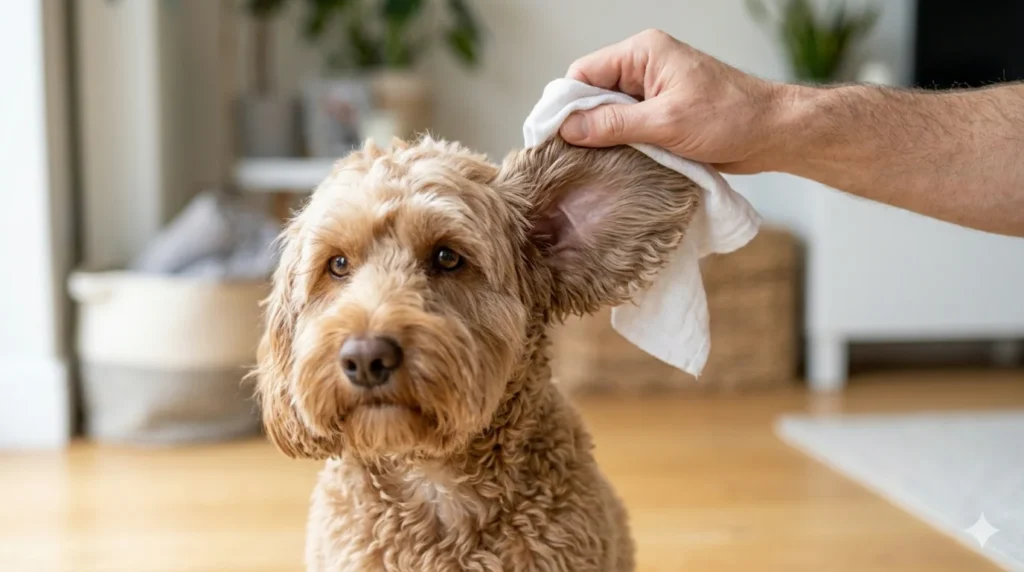
Lift the ear flap and observe:
- Color
- Discharge
- Smell
- Sensitivity
Do not stick cotton swabs deep into the canal — that can push debris deeper and cause harm.
Step 2: Clean the Outer Ear Only If It’s Mild
If your dog isn’t in pain and you have a vet-approved ear cleaner:
- Put cleaner into the visible ear canal as directed
- Massage the base for 20–30 seconds (you’ll hear a squish)
- Let your dog shake
- Wipe outer ear with cotton pads or gauze
Stop immediately if there’s pain, blood, or heavy discharge.
Step 3: Keep Ears Dry
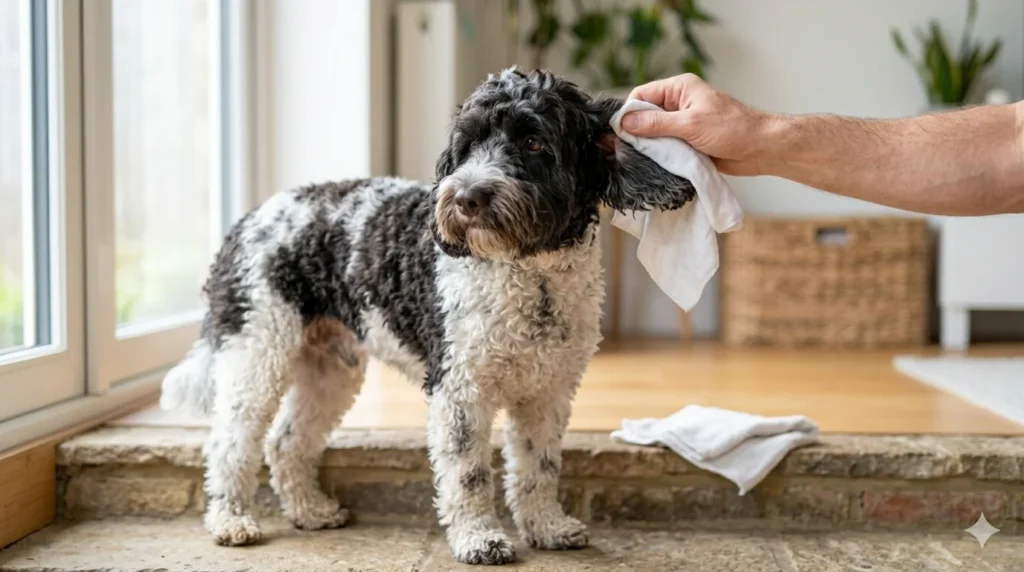
Until it’s sorted:
- No swimming
- Avoid getting water in ears during baths
- Dry ears after rain or walks
Moisture fuels yeast and bacteria.
Step 4: Skip Home Remedies Like Vinegar or Peroxide
Unless your vet specifically told you to use them, avoid DIY solutions — they can burn inflamed skin or damage the ear if the eardrum isn’t intact. The Merck Veterinary Manual also explains why proper examination is important when treating outer ear inflammation in dogs.
When to Call the Vet Today
The American Kennel Club’s guidance on dog ear infections also recommends veterinary assessment when symptoms include discharge, odour, pain or persistent scratching. Get veterinary help immediately if you see:
- Head tilt or balance issues
- Pain, yelping, or bleeding
- Swollen ear canal that looks partly closed
- Blood, pus, or heavy discharge
- Ear infections that keep returning
- Symptoms that got worse after cleaning
What Your Vet Will Usually Do
VCA Animal Hospitals provides additional information about the causes, diagnosis and treatment of ear infections in dogs. At the clinic, a vet typically will:
- Examine with an otoscope
- Take a sample for cytology
- Clean the ear if needed
- Prescribe medicated drops/ointments
- Sometimes oral meds for severe cases
Even if symptoms improve quickly, finish the full course — stopping early is a common reason infections return.
How Long It Takes to Clear
- Mild: ~7–14 days
- Moderate: ~2–4 weeks
- Chronic/recurring: may need deeper management
- Older dogs may also need age-specific nutrition and health monitoring, as explained in our Senior Cockapoo Diet Guide.
If there’s no improvement in a few days of treatment, contact your vet again.
How to Prevent Ear Infections (Without Obsessing)
- Dry ears after water exposure — towel dry the ear flap and opening.
- Talk to your groomer about ear hair — trimming around the entrance may help airflow without irritating the canal.
- Use ear cleaner as your vet recommends — overcleaning can irritate ears.
- Take allergies seriously — they’re one of the biggest drivers of recurring infections.
Quick Checklist: Infection vs. Normal Wax
Likely just wax if:
- No smell
- No redness
- No frequent head shaking
- No pain
- Light gunk that doesn’t return quickly
Likely infection if:
- Strong odor
- Red, swollen canal
- Frequent head shaking/scratching
- Dark or colored discharge
- Pain or behavior changes
- Recurring quickly
The Takeaway
Cockapoo ear infections can be obvious or subtle — but once you know what to look for, you can catch them early. Signs like persistent head shaking, smell, redness, discharge, and sensitivity matter. Early treatment usually means a happier dog and fewer vet bills down the road.
FAQs (Frequently Asked Questions)
Why do Cockapoos get ear infections so frequently?
Cockapoos are prone to ear infections due to their floppy ears that trap warmth and moisture, hair inside the ear canal, a tendency toward allergies, and their love for swimming and rolling in wet grass. This environment creates the perfect spa day for yeast and bacteria to thrive.
What are the early signs of an ear infection in Cockapoos?
Early signs include frequent head shaking, scratching or rubbing one ear, and a sudden dislike of having their ears touched. These subtle behaviors often indicate discomfort before more obvious symptoms appear.
How can I tell if my Cockapoo’s ear smell indicates an infection?
A healthy Cockapoo’s ear has little to no smell. If you notice a yeasty (like bread), sour (like old cheese), funky (like musty gym socks), or just an unusual odor when lifting the ear flap, it’s a strong sign that an infection may be brewing.
What should I look for when inspecting my Cockapoo’s ears for infection?
Look for redness or swelling inside the ear canal, thickened or inflamed skin, discharge such as brown gunk, yellow or green pus-like fluid, black debris resembling coffee grounds, increased wax buildup that returns quickly after cleaning, and crusty or flaky skin around the ear flap.
When should I stop home remedies and take my Cockapoo to the vet for ear infections?
If your Cockapoo shows severe symptoms like persistent head tilting, wobbliness, intense pain indicated by yelping or snapping during grooming, discharge with pus-like fluid, or behavioral changes such as grumpiness and loss of playfulness, you should contact your vet promptly instead of waiting.
Can behavioral changes signal an ear infection in my Cockapoo?
Yes. Ear infections can cause discomfort leading to clinginess, irritability, reluctance to play, restlessness at night, increased sleeping, and avoidance of touch. If your usually lively Cockapoo becomes unusually quiet or grumpy, check their ears for possible infection.