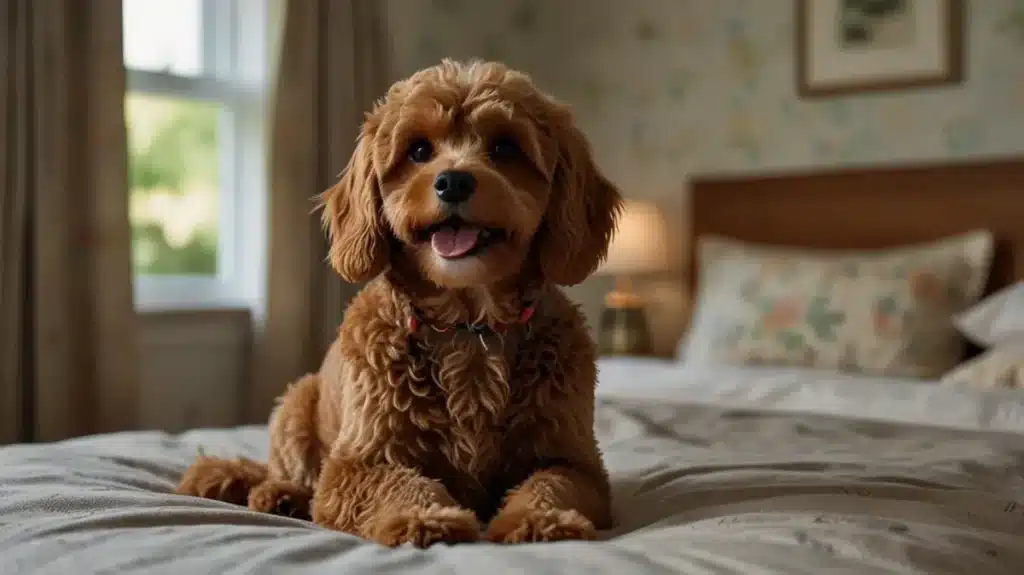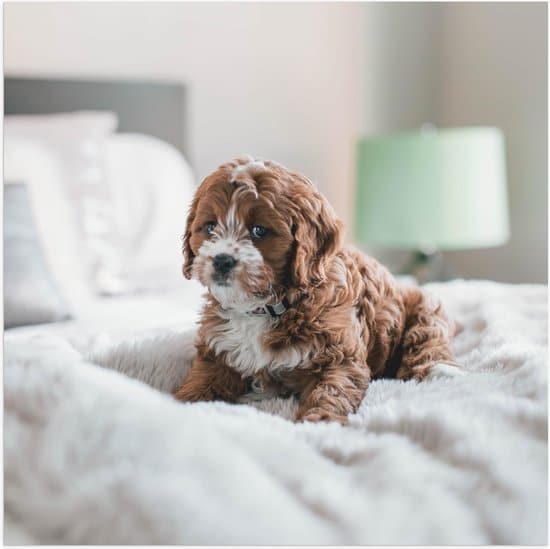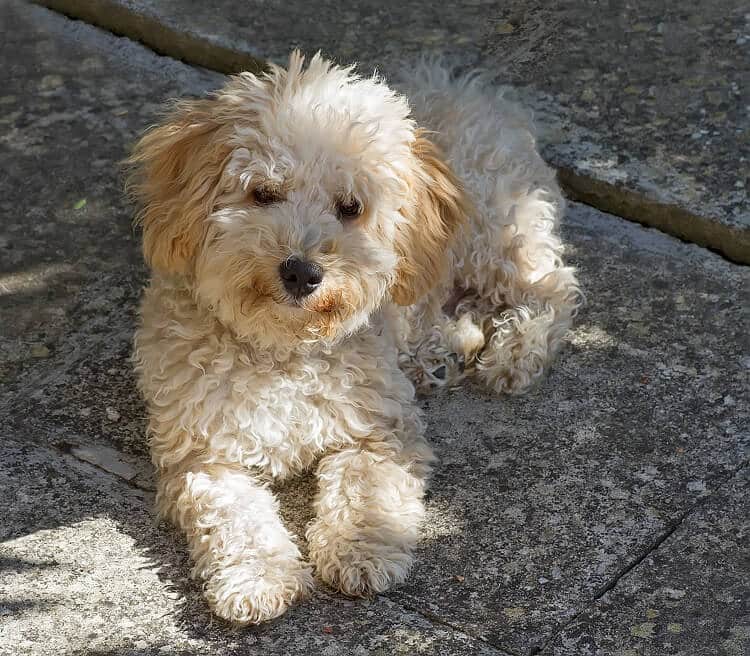
Why Is My Cockapoo So Clingy? Cockapoos are naturally affectionate companion dogs that love staying close to their owners, but constant shadowing, panic when left alone or excessive dependence can sometimes signal a bigger behavioural issue. Understanding why your Cockapoo follows you everywhere is the first step toward building a confident, independent and emotionally secure dog.
This guide explains the most common causes of clingy behaviour, how to recognise the difference between normal attachment and separation anxiety, and practical training techniques that encourage calm independence without damaging your bond.
They’re cute, smart, goofy… and somehow always within about 12 inches of you.
You stand up—they stand up.
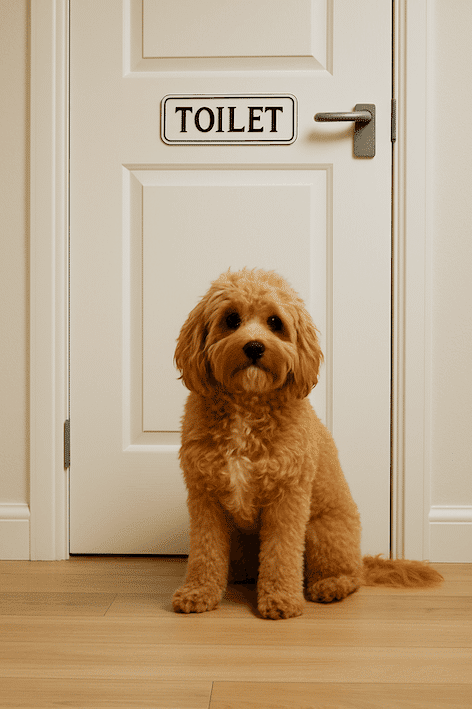
You go to the bathroom—they’re suddenly your “privacy manager.”
You sit down—they teleport onto your lap like it’s their full-time job.
So the real question is: why is my Cockapoo so clingy?
And more importantly—is it normal, is it a problem, and what can you actually do about it?
Let’s break it down in a practical, no-guilt, solution-focused way.
Why is my Cockapoo so clingy?
Cockapoos are naturally people-focused dogs, so following their owners is often normal. However, excessive clinginess may be caused by separation anxiety, reinforced behaviour, boredom, routine changes or a lack of confidence. Teaching calm independence through positive reinforcement helps reduce unhealthy dependency while maintaining a strong bond.
Is Clinginess Normal for Cockapoos?
Short answer: yes, very often.
Cockapoos are a mix of Cocker Spaniel and Poodle—two breeds known for being:
- Highly people-focused
- Emotionally sensitive
- Extremely trainable (which often means highly attached)
- Prone to separation issues if independence isn’t taught early
On top of that, most Cockapoos are raised as true companion dogs—lots of cuddles, attention, and inclusion in daily life.
So in their mind, the rule is simple:
“My job is to be near you.”
Clingy doesn’t automatically mean something is wrong.
But it can become a problem if it turns into stress, panic, or constant dependency.
Why Is My Cockapoo So Clingy? Quick Answer
Most Cockapoos are naturally affectionate companion dogs and enjoy staying close to their families. Clingy behaviour becomes a concern only when it develops into panic, separation anxiety or an inability to relax independently.
The Two Types of Clingy (This Matters a Lot)
Most owners don’t separate these—and that’s why fixes don’t work.
1) Velcro Clingy (Normal Attachment)
- Follows you around
- Likes sitting close or touching
- Mild whining but settles
- Can relax when needed
This is mostly personality + habit. It’s manageable.
2) Anxiety Clingy (Problem Behavior)
- Panics when you leave the room
- Scratches doors, paces, pants
- Barks or howls when alone
- Refuses to eat without you
- Greets you like you’ve been gone for years
One owner described in this Reddit thread about a dog panicking when left alone how their dog couldn’t settle at all and ignored treats the entire time—clear signs of anxiety, not just attachment.
This is closer to separation anxiety, and it needs a structured approach.
Why Your Cockapoo Is So Clingy
1) You Accidentally Reinforced It
This is the most common cause—and it happens to everyone.
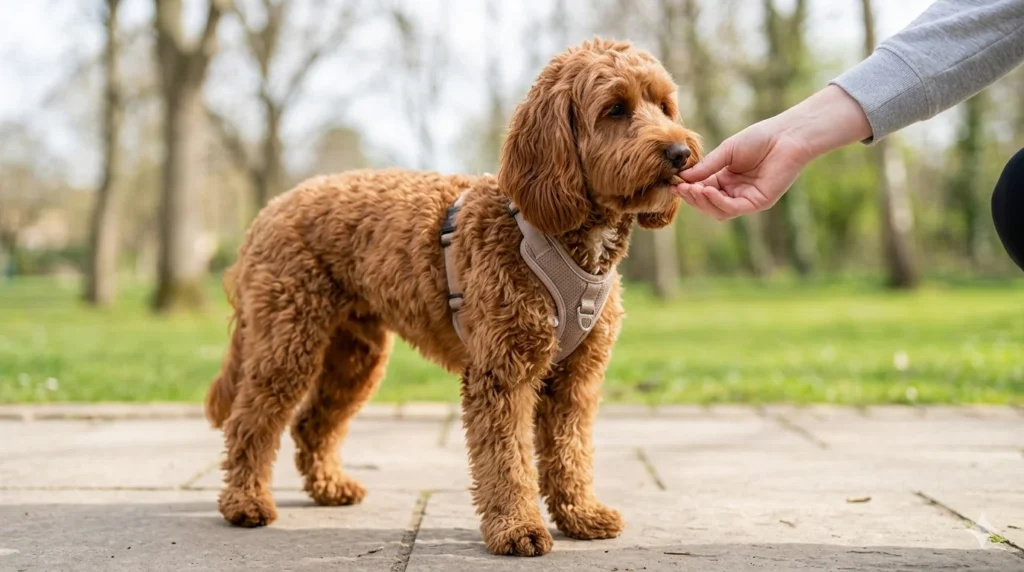
- Dog follows → you pet them
- Dog nudges → you respond
- Dog stares → you talk to them
They learn quickly:
“Staying close = attention = reward.”
Many owners don’t realize how quickly this pattern builds. Another owner shared in this Reddit thread about dogs constantly following their owners that their dog started shadowing them everywhere simply because they responded every time with attention. Over time, the dog learned that staying close always paid off.
Even negative attention (“stop following me”) still counts as interaction.
2) They’re Wired to Bond Deeply
Cockapoos don’t just like people—they rely on them.
Especially if your dog:
- Is rarely left alone
- Sleeps with you
- Goes everywhere with you
- Gets frequent affection
They begin to treat you as their safe base.
3) Early Signs of Separation Anxiety
If clinginess spikes around:
- Keys
- Shoes
- Doors
- Leaving routines
That’s a strong clue your dog is anticipating being left—and worrying about it. The VCA Animal Hospitals guide to separation anxiety in dogs explains why gradual independence training is more effective than forcing a dog to cope with long absences.
4) Not Enough Mental or Physical Stimulation
A bored Cockapoo creates a job.
And that job often becomes:
“Watch the human at all times.”
If your dog lacks:
- Sniffy walks
- Playtime
- Training sessions
- Enrichment games
…then you become the main source of entertainment.
5) Routine Changes
Cockapoos are extremely routine-driven.
Clinginess often increases after:
- Moving homes
- Work schedule changes
- Someone leaving the household
- New pets or babies
- Going from always-home to leaving more
Their response is simple:
“Stay close = stay safe.”
6) Age or Development Phases
Puppies and adolescents often go through clingy phases due to:
- Fear periods
- Confidence dips
- Hormonal changes
This is normal—but still needs guidance.
7) Health Issues
Sudden clinginess can be a red flag.
Watch for:
- Ear infections
- Allergies (very common)
- Pain or discomfort
- Digestive issues
- Aging-related confusion
Rule: sudden behavior change = vet check.
8) Anxiety Relief Loop
Sometimes your dog follows you because:
- Being near you reduces their stress
- That relief reinforces the behavior
So they repeat it constantly.
9) They’re Naturally a Lap Dog
Sometimes the simplest answer is true:
Your Cockapoo just loves being close.
That’s fine—as long as they can also relax independently.
Is It Actually a Problem? (Quick Check)
Likely normal:
- Follows you but can settle
- Sleeps independently sometimes
- Doesn’t panic behind doors
- Eats when alone
Likely anxiety:
- Can’t settle without touching you
- Panics when you leave
- Barks or destroys things
- Overreacts to departure cues
What NOT to Do
Don’t punish clinginess
It increases anxiety → makes clinginess worse.
Don’t over-soothe during panic
It can reinforce the panic cycle.
Don’t jump to “cry it out”
This often worsens real anxiety.
How to Reduce Clinginess (Without Breaking Trust)
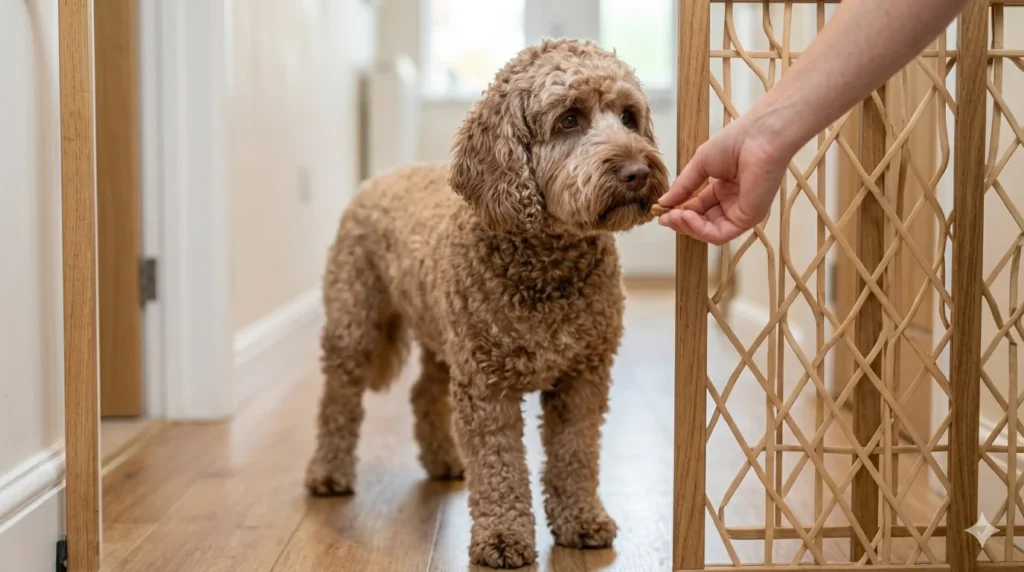
1) Teach a “Settle” Spot
Use a mat or bed:
- Reward your dog for stepping on it
- Reward calm behavior
- Gradually increase duration
This becomes their relaxation zone.
2) Reward Independence
Flip your attention habits:
- Reward when your dog is calm away from you
- Ignore shadowing behavior (keep it neutral)
The RSPCA guide to reward-based dog training explains how rewarding independent behaviour helps build confidence without creating fear or frustration.
You’re teaching:
“Being independent pays better.”
3) Practice Micro-Separations
- Step away for a few seconds
- Return before stress starts
- Repeat often
This builds confidence safely.
4) Create a Predictable Alone Routine
Example:
- Walk or play
- Water break
- Lick mat or Kong
- Calm cue (“back soon”)
- Leave
Routine = safety signal.
5) Give Them a Better “Job”
Replace “watching you” with:
- Snuffle mats
- Puzzle feeders
- Training games
- Scatter feeding
Mental stimulation reduces clinginess fast. The American Kennel Club guide to dog behaviour and training explains how enrichment, routines and positive reinforcement improve confidence and reduce unwanted behaviours.
6) Build Independence Gradually
- Use a nearby bed instead of your lap
- Reward calm presence, not constant contact
- Add short “no-touch” time
You’re building flexibility, not distance.
If It’s Separation Anxiety
Switch to a structured plan:
- Vet check first
- Use a camera
- Desensitize triggers (keys, shoes)
- Start very short absences
- Increase slowly
Avoid letting your dog repeatedly panic—it sets training back.
Does a Crate Help or Hurt?
Depends on the dog.
Helpful if:
- Dog relaxes inside
- Uses it willingly
Harmful if:
- Dog panics or tries to escape
If unsure, test with a camera.
Why Are They Clingy With You (Not Your Partner)?
Usually:
- You interact more
- You’re home more
- You reinforce behavior more
- Your energy is calmer
Solution: share responsibilities (walks, training, calm bonding).
Why Did Clinginess Suddenly Increase?
Think:
- Health issue
- Routine change
- Stress event
- Fear trigger
If unclear or intense → vet check.
Is Clinginess Just Love?
Sometimes—but it can also be:
- Habit
- Anxiety
- Boredom
- Learned behavior
The goal isn’t less love.
It’s secure attachment, not dependency.
Simple Daily Plan (That Actually Works)
Morning
- 15–30 min sniff walk
- Puzzle feeding
Midday
- 5 min “place” training
Afternoon
- Play or short training
- Give chew on their bed
Evening
- Short walk
- 5–10 micro-separations
All day
- Reward calm independence
- Keep following behavior neutral
When to Get Help
Seek help if you see:
- Panic when alone
- Destruction at doors/windows
- Self-injury attempts
- Non-stop barking
Look for trainers experienced in separation anxiety.
The Bottom Line
Why Is My Cockapoo So Clingy? In most cases, it is simply part of the breed’s affectionate and people-oriented personality. However, excessive dependence, panic when left alone or constant shadowing may indicate separation anxiety or learned behaviour.
By rewarding independence, providing enough mental stimulation, maintaining predictable routines and teaching calm behaviours, most Cockapoos learn to become confident, relaxed companions without losing the loving personality that makes the breed so popular.
FAQs (Frequently Asked Questions)
Why is my Cockapoo so clingy and is this behavior normal?
Clinginess is quite normal for Cockapoos due to their Cocker Spaniel and Poodle heritage. They are people-focused, emotionally sensitive, and highly attached companion dogs who often see their job as being with you always. This affectionate behavior is typical but can become problematic if it leads to stress or destructive habits.
What are the two types of clinginess seen in Cockapoos and how do they differ?
The two types are “Velcro dog” clingy, which involves attachment without panic like following you around and wanting contact, and anxiety clingy, which involves panic behaviors such as scratching doors, barking excessively, or refusing to eat when alone. Understanding the type helps tailor the right management approach.
How might I have unintentionally encouraged my Cockapoo’s clingy behavior?
You may have accidentally reinforced clinginess by giving your dog attention when they follow or nudge you. Since attention acts as a reward, your Cockapoo learns that staying close results in positive interaction, making clinginess a learned habit rather than a problem caused by neglect.
Can changes in routine or environment cause increased clinginess in my Cockapoo?
Yes. Cockapoos thrive on routine and stability. Changes such as altered work schedules, moving homes, family changes like a new baby or pet, or someone leaving can trigger clingy behavior as your dog seeks safety by staying close to you.
What role does under-stimulation play in my Cockapoo’s clinginess?
Under-stimulated Cockapoos may become bored and invent the job of monitoring you closely. Without enough walks, playtime, training sessions, or brain games, your dog might focus all their attention on you out of boredom rather than anxiety.
Could my Cockapoo’s sudden clinginess indicate health issues?
Absolutely. Sudden increases in clinginess can be a sign your dog is feeling unwell due to pain, allergies, ear infections, aging-related confusion, or sensory decline. If clinginess appears abruptly alongside other changes like altered sleep patterns, consult your vet promptly.