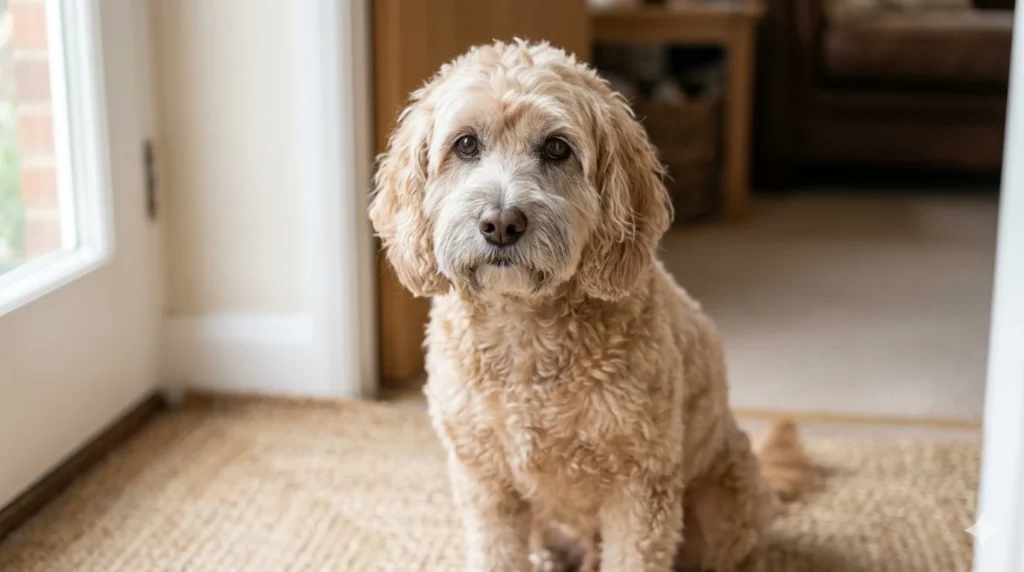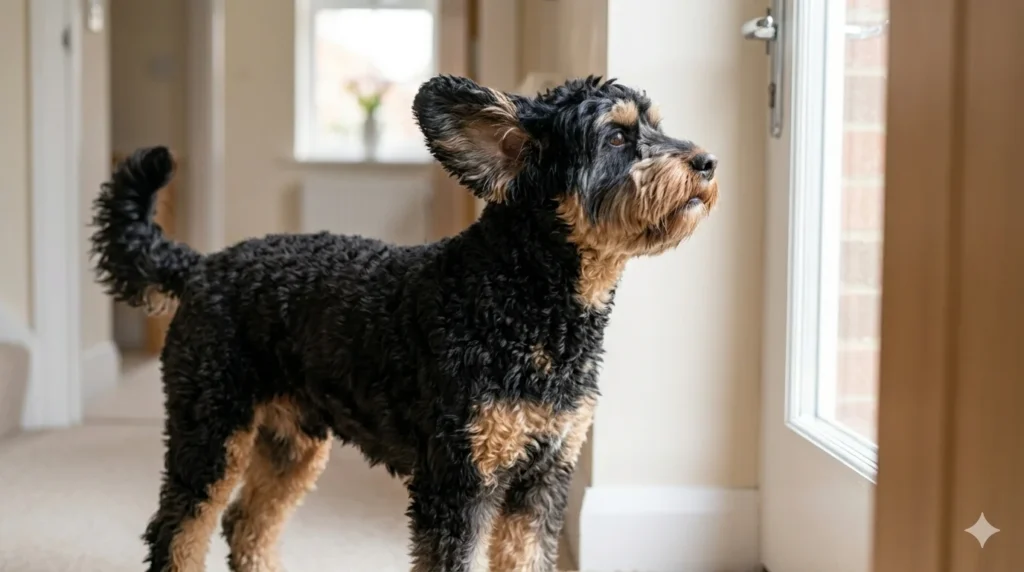

This Senior Cockapoo Diet Guide explains how the right nutrition can help your older dog maintain a healthy weight, support joints, improve digestion and enjoy a happier, more active life. If your senior Cockapoo is slowing down or becoming picky with food, a few simple diet changes can make a noticeable difference.
Most people think, “He’s just getting older,” and yeah, that’s part of it. But here’s the thing: a smart diet tweak can make a senior Cockapoo feel noticeably better in a few weeks. More energy on walks, less itching, better stools, easier weight control, and sometimes even a bit of that “puppy spark” comes back.
This guide is your practical, no-fluff roadmap to feeding an older Cockapoo the right way.
Senior Cockapoo Diet Guide
A Senior Cockapoo Diet Guide focuses on feeding high-quality protein, maintaining a healthy weight, supporting joint health and improving digestion. Most senior Cockapoos benefit from measured portions, balanced nutrition and a consistent feeding routine tailored to their age and health needs.
When is a Cockapoo considered “senior”?
Most Cockapoos enter their senior years somewhere around:
- Small Cockapoo (toy/mini): 8 to 10 years
- Medium Cockapoo: 7 to 9 years
- Larger Cockapoo: 6 to 8 years
But the real signal isn’t the number — it’s what you’re seeing at home: weight changes, stiffness, digestive shifts, or new health issues.
The big nutrition goals for senior Cockapoos
A proper senior diet is about supporting what’s changing:
- Maintain a healthy weight
- Preserve muscle (this becomes harder with age)
- Support joints and mobility
- Keep digestion stable
- Improve skin and coat quality
- Adjust for any medical conditions
Calories: the silent reason senior Cockapoos gain weight
Older dogs burn fewer calories. Same portion + less movement = slow weight gain.
This is one of the most common things owners notice as dogs age—and a topic frequently discussed in community threads like this Reddit discussion on senior dog weight struggles. In this case, an owner of a 15-year-old dog describes the difficult cycle of trying to manage a senior’s weight when their slowing metabolism and decreased mobility make every extra treat or ‘spruced-up’ meal a hurdle to their health
The pattern is always the same: nothing looks “wrong,” but small excess calories stack up over time.
What works:
- Measure food properly
- Reduce portions by ~10% if weight creeps up
- Track treats (they add up fast)
Protein: seniors usually need more, not less
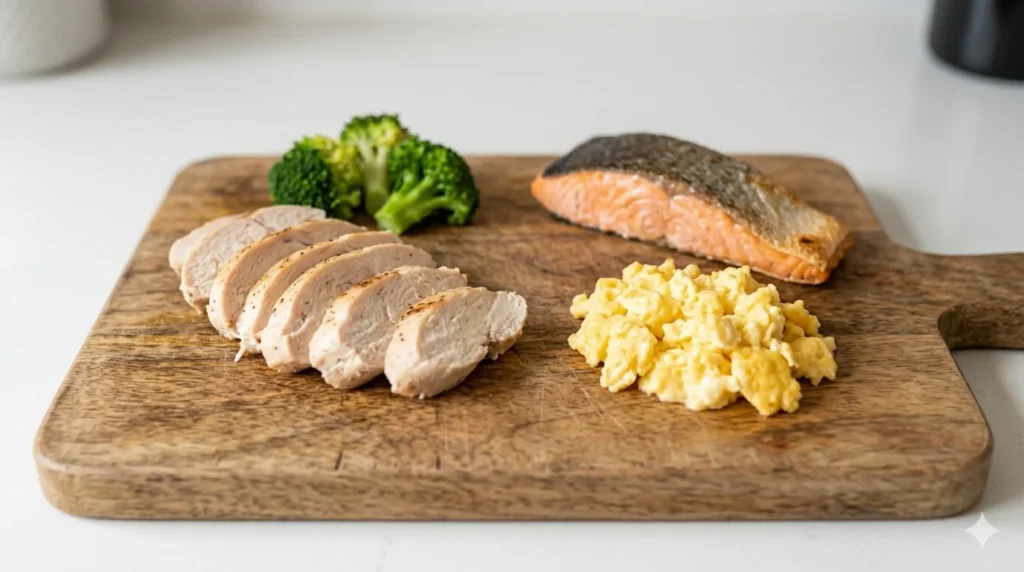
Outdated advice said “lower protein for older dogs.” That’s not true for most healthy seniors.
Your Cockapoo needs high-quality protein to maintain muscle and strength.
Good sources:
- Chicken, turkey
- Beef or lamb (if tolerated)
- Fish
- Eggs
Only limit protein if your vet specifically recommends it (like in advanced kidney disease).
Fat: helpful but needs balance
Fat supports energy and coat health — but too much can cause problems in some seniors.
Watch closely if your Cockapoo has:
- History of pancreatitis
- Vomiting after rich foods
- Greasy stools
If yes → go lower-fat and be strict with treats.
Fiber: the underrated fix
Fiber helps with:
- Fullness (weight control)
- Stool consistency
- Digestive stability
Simple add-ins:
- Pumpkin (small amounts)
- Green beans
- Vet-guided fiber supplements
The most common senior Cockapoo diet problems (and fixes)
1) “My dog suddenly became picky”
Before assuming behavior, rule out:
- Dental pain
- Nausea
- Medication side effects
- Illness
If health checks out, this is very common in older dogs. You’ll see similar experiences in this Reddit thread where owners share how their senior dogs became selective with food.
Pro Tip: A balanced diet is one of the best ways to support your senior Cockapoo’s health. For trusted nutrition and senior dog care advice, visit the American Kennel Club (AKC), RSPCA, and VCA Animal Hospitals.
What actually helps:
- Warm the food
- Add a little water or broth
- Use consistent (not random) toppers
2) “Stools are inconsistent”
Common causes:
- Too many treats
- Rich food
- Sudden diet changes
- Food intolerance
Fix:
- Simplify diet for 2–3 weeks
- Use one consistent protein
- Add probiotic (vet-approved)
3) “More itching than before”
Often linked to:
- Allergies
- Dry skin
- Low omega-3 intake
Diet support:
- Add fish oil (EPA/DHA)
- Avoid constant food switching
- Consider elimination diet if chronic
4) “Joint stiffness and slower movement”
Diet helps indirectly:
- Keep weight lean (biggest impact)
- Add omega-3s
- Consider joint support (vet-guided)
Give it 6–8 weeks to see improvement.
Dry vs wet vs fresh food
Dry food (kibble)
- Easy to measure
- Cost-effective
- Lower moisture
Wet food
- More appealing
- Better hydration
- Easier to eat
Fresh/home-cooked
- Highly customizable
- Needs proper formulation (very important)
If doing home-cooked → always use a veterinary nutritionist plan.
Portion control: simple system that works
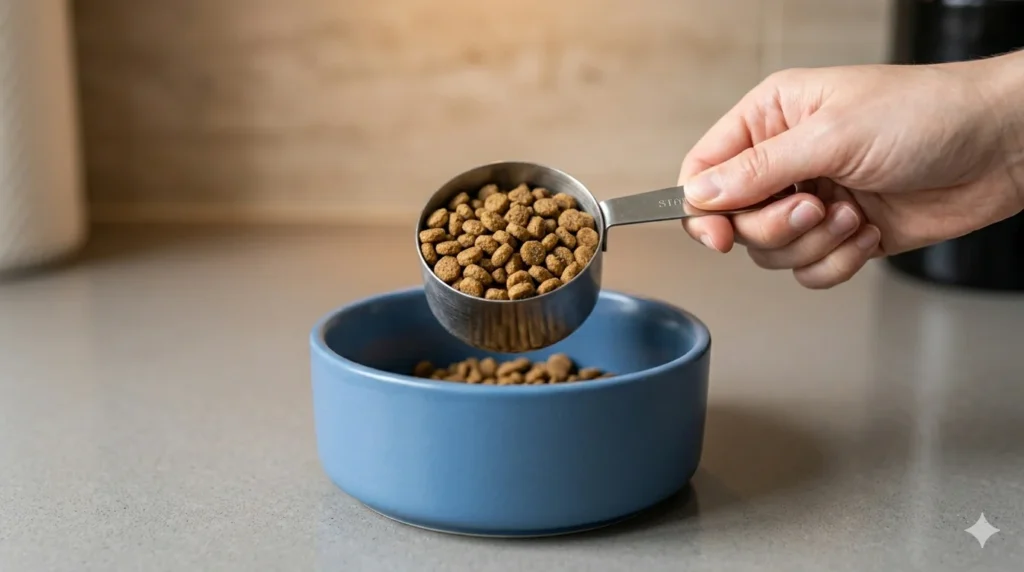
- Start at lower feeding range
- Measure everything
- Weigh dog every 2 weeks
- Adjust by 5–10%
Consistency beats guesswork.
Treats: the hidden calorie problem
Keep treats under 10% of daily calories.
Better options:
- Freeze-dried meat
- Small fish treats
- Carrot slices
- Blueberries (in moderation)
Limit:
- Cheese
- Fatty scraps
- Processed treats
Hydration: an easy upgrade
Senior dogs benefit from more hydration.
Simple wins:
- Add water to kibble
- Include wet food
- Use multiple water bowls
Watch for sudden changes in drinking habits → mention it to your vet.
Switching food safely
Go slow:
- Days 1–3: 75% old / 25% new
- Days 4–6: 50/50
- Days 7–9: 25/75
- Day 10+: 100% new
If digestion gets off → slow down.
When medical conditions change everything
If your Cockapoo has:
- Kidney disease → controlled phosphorus diet
- Pancreatitis → low-fat diet
- Diabetes → strict meal timing
- Heart disease → sodium awareness
Follow your vet’s plan — it overrides general advice.
Supplements: what actually helps
Useful (with vet guidance):
- Fish oil (skin, joints)
- Probiotics (gut health)
- Joint supplements
Be careful with:
- Random multivitamins
- Too many supplements at once
Simple daily feeding routine
- 2 meals per day
- Measured portions
- Planned treat allowance
- Constant access to water
Optional: Small late-night snack if needed.
Final takeaway
Feeding a senior Cockapoo isn’t about doing more — it’s about doing the right few things consistently.
If you want the biggest impact:
- Measure food and adjust portions
- Keep protein high and weight controlled
- Match the diet to your dog’s main issue
Do that, and you’ll often see noticeable improvements in energy, comfort, and overall quality of life within weeks.
FAQs (Frequently Asked Questions)
When is a Cockapoo considered a senior dog?
Cockapoos typically enter their senior years based on size: small Cockapoos (toy/mini) at about 8 to 10 years, medium Cockapoos at 7 to 9 years, and larger Cockapoos at 6 to 8 years. However, the best indicator is changes you observe at home, such as weight gain, reduced stamina, stiff joints, dental issues, digestive sensitivity, or new medical conditions.
What are the main nutrition goals for feeding a senior Cockapoo?
Senior Cockapoo diets aim to support healthy weight without starvation, maintain muscle mass, provide joint support for hips, knees, elbows, and spine, ensure digestive comfort with consistent stools, promote skin and coat health to reduce dryness and itching, and address common senior health issues like kidney disease, pancreatitis, diabetes, or heart disease if present.
How should I manage my senior Cockapoo’s calorie intake to prevent weight gain?
Since senior Cockapoos often burn fewer calories due to less activity and metabolic changes, it’s important to measure food accurately using a measuring cup or kitchen scale. Track treats carefully as they can make up 20-40% of daily calories. If weight gain occurs, reduce daily food by about 10% for two weeks and then reassess your dog’s weight and body condition to adjust accordingly.
Does my senior Cockapoo need less protein in their diet?
Contrary to old advice suggesting lower protein for seniors, most healthy senior Cockapoos benefit from high-quality, digestible protein sources like chicken, turkey, beef, lamb (if tolerated), fish (salmon or sardine-based), and eggs. Protein helps maintain muscle mass and strength. Protein restriction is only recommended if your vet advises it due to specific conditions like advanced kidney disease.
What can I do if my senior Cockapoo becomes picky with food?
First rule out health issues such as dental pain, nausea from reflux, medication side effects, or illnesses like kidney disease. If health checks are clear, try warming the food slightly to enhance aroma (especially wet food), adding a tablespoon of warm water or low-sodium bone broth (without onion or garlic), switching to a palatable senior formula, and using measured toppers consistently rather than randomly to avoid creating picky eating habits.
How can I improve my senior Cockapoo’s stool quality and digestive comfort?
Common causes of soft or inconsistent stools include too many treats, rich foods, sudden diet changes, food intolerances (e.g., chicken or dairy), and reduced digestive enzyme output with age. To help: simplify the diet for 2-3 weeks using one food with minimal treats; choose foods with a single main protein source, moderate fat content, and added prebiotics like FOS/inulin; consider vet-approved probiotics; ensure adequate hydration; and consult your vet if symptoms worsen or persist beyond 24-48 hours.