Cockapoo Tear Stains Removal Guide: If you’re looking for the best way to remove and prevent Cockapoo tear stains, this guide covers everything you need to know. You’ll learn what causes tear stains, how to clean them safely, prevent new stains from forming and keep your Cockapoo’s eyes healthy with a simple daily routine. If you have a Cockapoo, you already know the vibe.
They’re cute. They’re fluffy. They’re basically a walking teddy bear.
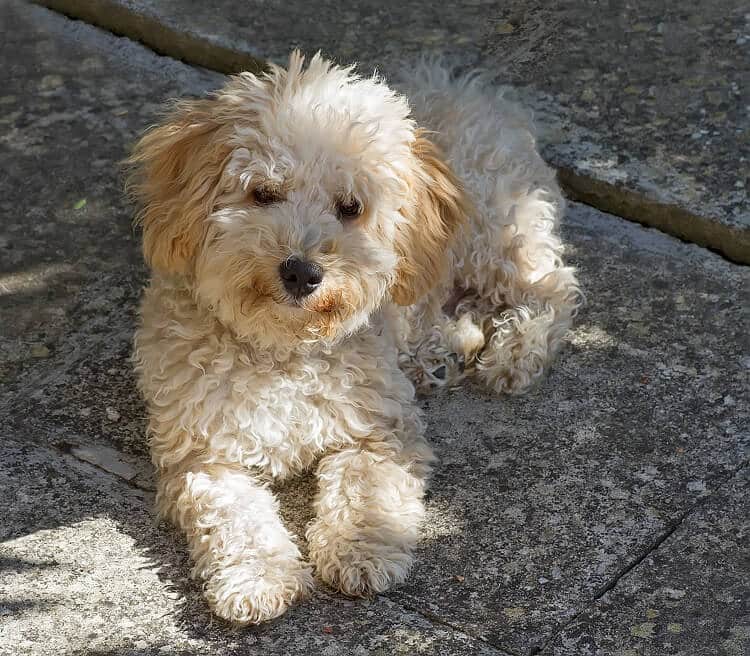
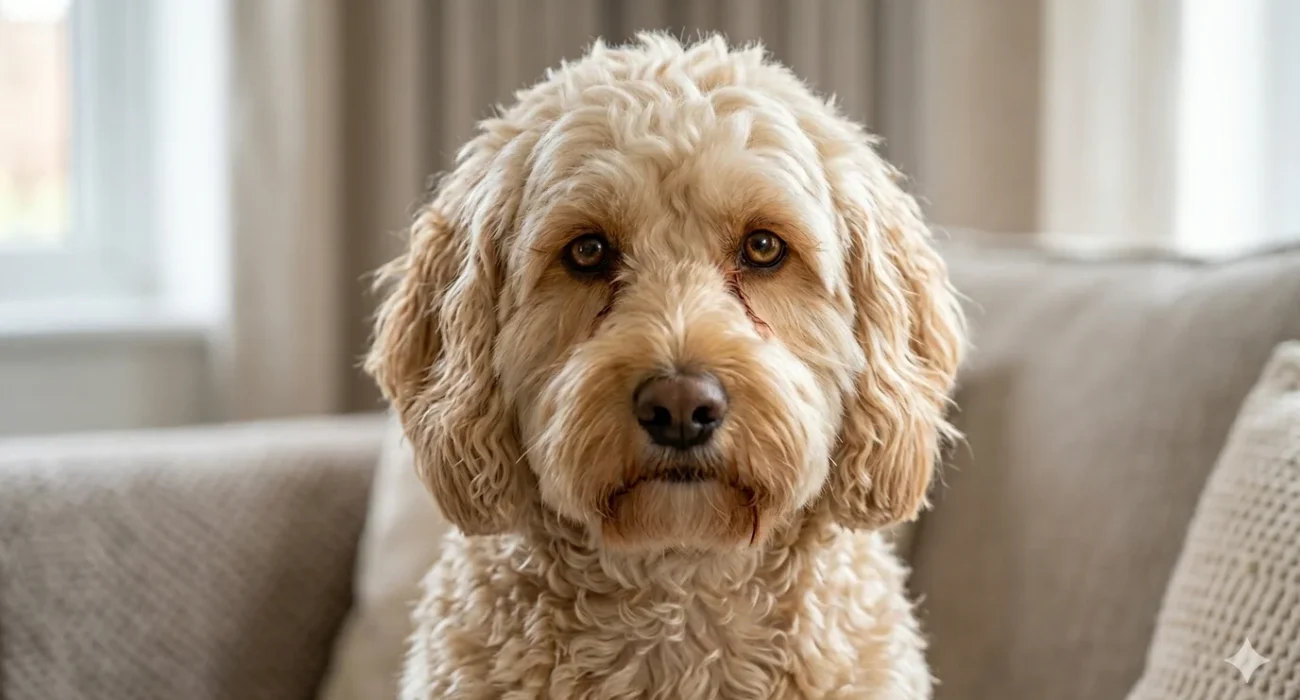
And then you look a little closer and… yep. Those reddish-brown tear stains under the eyes that make them look like they’ve been crying through a breakup.
The good news is: tear stains are super common in Cockapoos, and in most cases you can improve them a lot with a simple routine.
The more honest news: there’s no “one wipe and it’s gone forever” miracle. Tear stains usually come from a mix of moisture, bacteria or yeast, hair rubbing the eyes, diet, water quality, allergies, and sometimes anatomy.
So this guide is solution-first. We’re going to cover what causes Cockapoo tear stains, what actually works to remove them, what not to do, and a realistic routine you can follow.
How do you remove tear stains from a Cockapoo?
The best way to remove Cockapoo tear stains is by gently cleaning the area every day with a dog-safe eye cleanser, drying the fur thoroughly, trimming hair around the eyes, keeping the face clean and addressing underlying causes such as allergies, tear duct problems or eye irritation. Consistency is the key to reducing existing stains and preventing new ones.
Why Cockapoos Get Tear Stains (So Easily)
Tear stains happen when tears overflow or sit in the fur under the eyes.
That wet area becomes the perfect place for:
- Bacteria
- Yeast
- Mildew
- General buildup
Over time, the fur becomes discolored—usually rusty red to brown. The Merck Veterinary Manual’s guide to eye disorders in dogs explains how blocked tear ducts, infections and eye irritation can contribute to excessive tearing.
Common Cockapoo-specific triggers:
- Hair growth around the eyes irritating the surface
- Narrow or partially blocked tear ducts
- Environmental allergies (pollen, dust, grass)
- Diet sensitivity
- Moisture trapped in curls
First: Is It Tear Staining, or a Medical Issue?
Normal tear stains:
- Limited to under-eye fur
- Mild watering
- No pain or thick discharge
Red flags:
- Squinting or pawing
- Yellow/green discharge
- Swelling or redness
- Strong odor
- One eye much worse than the other
If you’re seeing those, get a vet involved first. Cleaning alone won’t solve it. The American Kennel Club’s guide to eye care for dogs explains the common causes of excessive tearing and when eye problems require veterinary attention.
The Big Mistakes That Keep Tear Stains Around
1) Only wiping occasionally
By the time stains look dark, they’ve already set in.
2) Using harsh products
Hydrogen peroxide, alcohol wipes, or essential oils can irritate the eye and make tearing worse.
3) Ignoring grooming
If hair keeps poking the eye, you’re fighting a losing battle.
4) Expecting fast results
Old stains = stained hair. They often need to grow out.
What Actually Removes Cockapoo Tear Stains
Think of this as two jobs:
- Prevent new stains
- Gradually remove old ones
Daily Tear Stain Routine (5 Minutes That Actually Works)
Step 1: Warm compress
Hold a warm cloth under the eye for 10–20 seconds.
Step 2: Clean properly
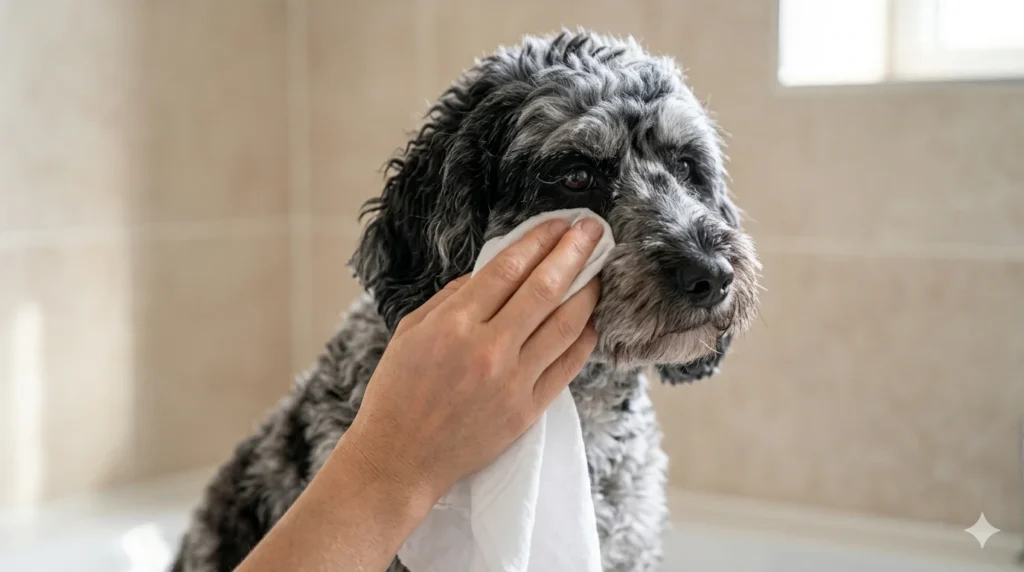
Use a dog-safe eye wipe or cleanser. Wipe outward, not into the eye.
Step 3: Dry completely (this is critical)
Moisture is what keeps the staining cycle alive.
In this Reddit discussion about managing tear stains in small dogs, several owners mentioned that simply drying the area after cleaning made the biggest difference. Once they stopped leaving the fur damp, they started seeing visible improvement within a couple of weeks
Step 4: Comb the area
Prevents buildup and keeps fur from trapping moisture.
Step 5: Reward
Make it routine, not a struggle.
Weekly Routine (Where Results Improve Faster)
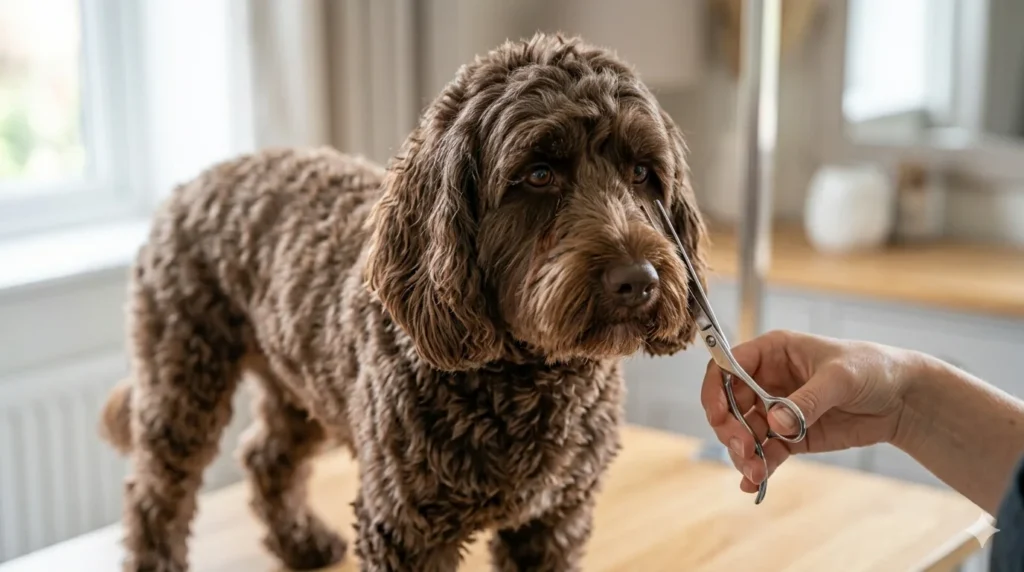
1) Trim the eye area
Keep hair from touching the eye. The VCA Animal Hospitals guide to grooming your dog’s face safely explains why keeping facial hair trimmed helps reduce irritation and tear staining.
2) Gentle face wash
Only if your dog tolerates it—always dry thoroughly.
3) Check skin condition
If it’s red or irritated, you’re dealing with more than cosmetic staining.
The Fastest Way to Improve Existing Stains
You don’t “erase” stains—you grow them out.
Best method:
- Daily cleaning + drying
- Shorter eye-area hair
- Regular grooming
Optional:
- Tear stain removers (gradual improvement)
- Whitening shampoos (only away from eyes)
The Cause Checklist (Where Most People Finally See Results)
1) Water quality
Switch to filtered water for 30 days.
2) Bowl type
Use stainless steel or ceramic. Wash daily.
3) Diet consistency
Avoid constant switching. Stick to one diet for 6–8 weeks.
4) Allergies
Look for:
- Paw licking
- Ear irritation
- Seasonal flare-ups
5) Eye hair irritation
Even a few hairs can trigger constant tearing.
6) Tear duct issues
If one eye is always worse, get it checked.
Yeast and Bacteria (Why Some Stains Smell)
If you notice:
- Musty odor
- Sticky discharge
- Clumped fur
That’s usually microbial buildup.
Focus heavily on:
- Cleaning
- Drying
- Monitoring skin health
Do Tear Stain Supplements Work?
Sometimes—but not always.
They may help if the issue is internal (diet, inflammation).
They usually don’t help if the cause is:
- Hair irritation
- Moisture
- Allergies
If Your Cockapoo Hates Face Cleaning
Build tolerance gradually:
- Days 1–3: touch face → reward
- Days 4–7: quick wipe → reward
- Week 2: full routine
Also:
- Do it when your dog is calm
- Warm the wipe slightly
- Keep sessions short
What If the Fur Is Already Dark Red?
Focus on:
- Preventing new stains
- Keeping the area trimmed
- Letting old stains grow out
Progress > perfection.
How Long Does It Take?
- Mild stains: 1–2 weeks improvement
- Deep stains: 4–12 weeks
Depends on grooming, consistency, and cause.
30-Day Tear Stain Reset Plan
Daily:
- Warm compress
- Clean
- Dry
- Comb
Weekly:
- Trim eye area
- Face wash
- Skin check
Lifestyle changes:
- Filtered water
- Better bowls
- Consistent diet
- Face wipe after walks
Take before/after photos.
When to See a Vet
- Sudden severe staining
- One eye consistently worse
- Redness, swelling, discharge
- No improvement after 6–8 weeks
Final Takeaway
Cockapoo tear stains aren’t a one-time fix—they’re a maintenance habit.
Here’s the simple formula:
- Clean gently
- Dry thoroughly
- Keep hair trimmed
- Fix the root cause
And most importantly—stay consistent. That’s what actually works.
Cockapoo Tear Stains Removal Guide: Daily Cleaning Routine
This Cockapoo Tear Stains Removal Guide gives you a simple daily routine to reduce tear stains naturally. With regular cleaning, proper grooming and treating the underlying cause, most Cockapoos show noticeable improvement within a few weeks.
FAQs (Frequently Asked Questions)
Why do Cockapoos get reddish-brown tear stains under their eyes?
Cockapoos commonly develop reddish-brown tear stains due to a combination of factors such as moisture buildup, bacteria or yeast growth, hair rubbing the eyes, diet sensitivities, water quality, allergies, and sometimes their anatomy. Their curly hair around the eyes can irritate and cause tearing, narrow tear ducts can lead to overflow, and trapped moisture in their curls promotes staining.
How can I tell if my Cockapoo’s tear stains are normal or indicate a medical issue?
Normal tear stains usually appear as discoloration limited to the fur under the eyes with mild watery eyes but no pain or thick discharge. Red flags requiring a vet visit include squinting, pawing at the eyes, thick yellow or green discharge, swollen eyelids, strong facial odor, uneven tearing between eyes, sudden onset of tearing, or visible eye irritation like cloudiness or redness.
What common mistakes should I avoid when trying to remove tear stains from my Cockapoo?
Avoid wiping only when you notice stains since consistency is key; using harsh products near the eyes such as hydrogen peroxide, alcohol wipes, human acne treatments, essential oils (like tea tree), or anything not safe for eye areas; neglecting hair management around the eyes which can cause irritation; and expecting stains to disappear within 48 hours as old stains require time and grooming to fade.
What is an effective daily routine to reduce and prevent tear stains on a Cockapoo?
A simple 5-minute daily routine includes: 1) Using a warm cotton pad or microfiber cloth to soften crusts under the eyes for 10-20 seconds; 2) Cleaning gently with dog-safe tear stain wipes or veterinarian-approved eye-area cleansers by wiping outward and downward; 3) Thoroughly drying the area with a dry cotton pad or tissue to remove moisture; 4) Combing out under-eye hair with a small metal comb to prevent tangles and moisture trapping; and 5) Treating your dog calmly and rewarding them to make the process positive.
Why is drying the under-eye area important after cleaning my Cockapoo’s tear stains?
Drying is crucial because moisture fuels bacterial and yeast growth that causes staining. If the area remains damp after cleaning, tear residue and microbes can accumulate more easily leading to persistent or worsening discoloration. Gently patting dry with a cotton pad or tissue helps keep the fur dry and reduces stain formation.
Can grooming help reduce tear stains in Cockapoos?
Yes! Regular grooming such as trimming hair around the eyes prevents curls from poking or irritating them which reduces excessive tearing. Combing facial hair keeps it tangle-free and prevents moisture trapping that promotes staining. Incorporating weekly face trims alongside daily cleaning accelerates stain improvement by minimizing one of the main triggers.