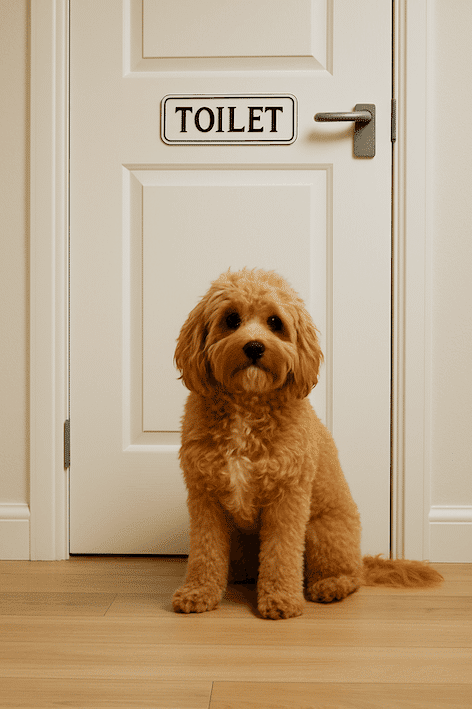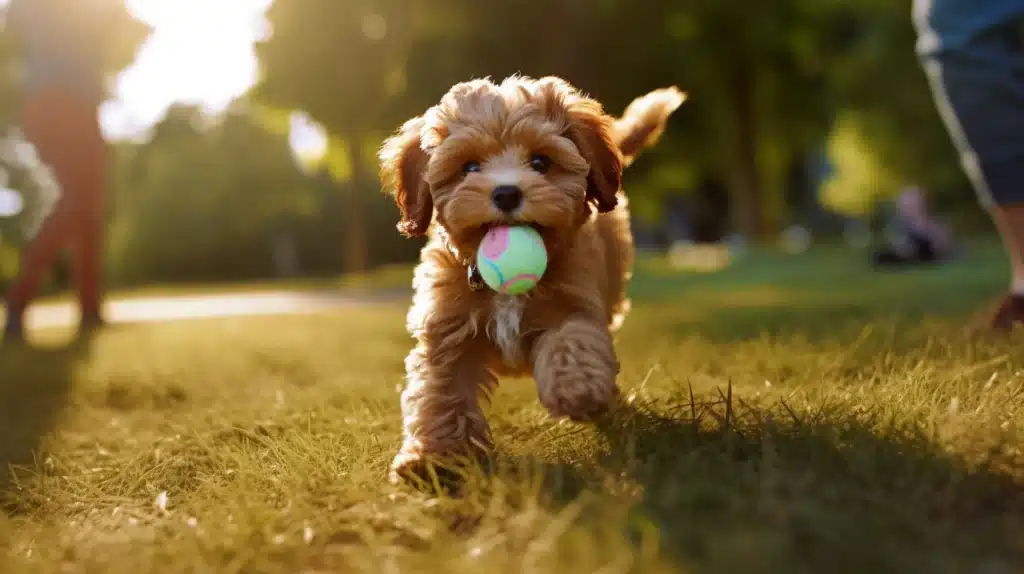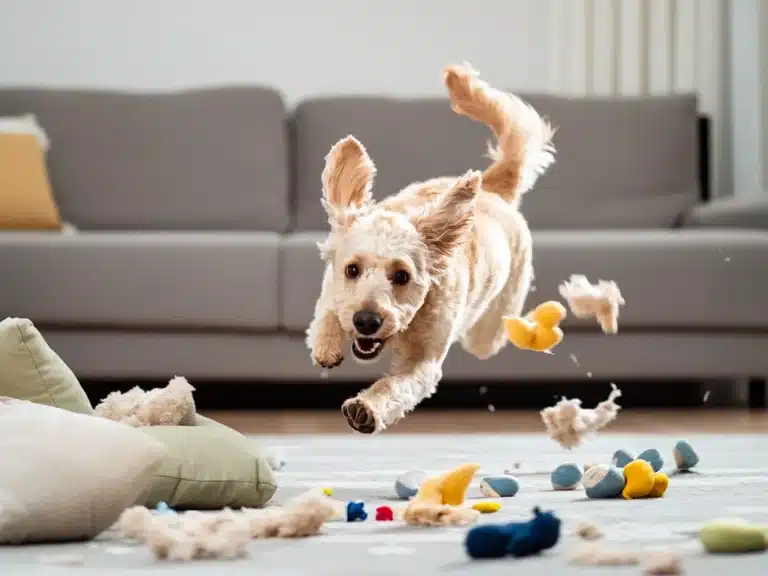

Cockapoo Care Guide: 15 Powerful Owner Tips
Living with a Cockapoo often means sharing your home with an affectionate, intelligent, and occasionally mischievous companion. These dogs are known for their friendly personalities and curly coats, but their cheerful appearance does not mean they are effortless to raise.
This Cockapoo care guide covers the practical side of ownership, including behavior, training, grooming, nutrition, exercise, common health concerns, senior care, and everyday routines. Whether you are preparing for a Cockapoo puppy or already caring for an adult dog, these 15 tips will help you build a healthier and more manageable life together.
Cockapoo Care Guide: Quick Breed Overview
A Cockapoo is a cross between a Cocker Spaniel and a Poodle. The Poodle parent may be Toy, Miniature, or Standard, which is one reason Cockapoos can vary considerably in size.
Their appearance and temperament may also differ depending on:
- The size and type of each parent
- The individual dog’s genetics
- Early socialization
- Training and previous experiences
- Coat type
- Health
- Daily routine
Many Cockapoos are affectionate, intelligent, social, and energetic. They often enjoy training and being included in family activities. However, some can be vocal, easily excited, sensitive, or uncomfortable when left alone.
A typical Cockapoo may have:
- A wavy, curly, or relatively straight coat
- Long, floppy ears
- A friendly and expressive face
- Moderate or high grooming requirements
- A strong attachment to family members
- A playful and curious personality
- Moderate daily exercise needs
For a broader introduction to the breed, visit our main Cockapoo guide.
Tip 1: Decide Whether a Cockapoo Fits Your Lifestyle
A responsible Cockapoo care guide should begin with lifestyle compatibility. Cockapoos can live happily in many homes, but they need time, attention, training, exercise, grooming, and regular healthcare.
Before bringing one home, consider whether you can provide:
- Daily interaction and companionship
- Regular walks and mental stimulation
- Consistent reward-based training
- Frequent brushing
- Professional grooming
- Gradual alone-time training
- Veterinary and dental care
- A realistic pet-care budget
A Cockapoo may not be the easiest choice for a household where everyone is away for long periods. Some dogs learn to relax alone, but others may develop barking, destructive behavior, or separation-related distress without appropriate preparation.
The breed can suit first-time owners, but being friendly and intelligent does not automatically make every Cockapoo easy to manage.
Tip 2: Understand Cockapoo Temperament
Cockapoos are commonly described as outgoing, affectionate, playful, and eager to participate. Their Poodle background can contribute intelligence and trainability, while the Cocker Spaniel side may add enthusiasm, sensitivity, and a strong interest in people or outdoor scents.
Breed descriptions are only general guidelines. One Cockapoo may be calm and cuddly, while another may be energetic, vocal, or easily distracted.
Temperament is influenced by:
- Genetics
- Early handling
- Socialization
- Training
- Sleep and exercise
- Physical discomfort
- The home environment
- Relationships with family members
Following a balanced Cockapoo care guide means paying attention to the individual dog instead of expecting every Cockapoo to behave in the same way.
Why Is My Cockapoo So Clingy?
Some Cockapoos follow their owners from room to room, request constant attention, or become uncomfortable when physical access to a person is blocked.
Clinginess can develop because of:
- Strong social attachment
- Reinforced attention-seeking
- Inconsistent routines
- Lack of independence training
- Anxiety
- Boredom
- Sudden household changes
Our guide to why a Cockapoo is so clingy explains the difference between normal affection and a potentially unhealthy dependence.
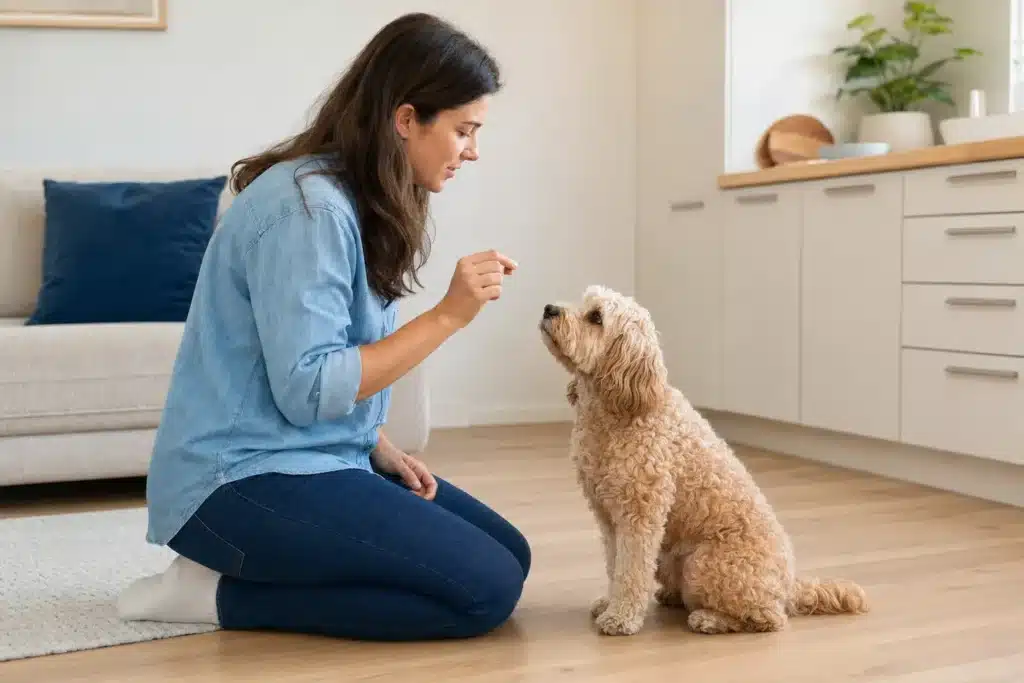
Tip 3: Use Positive Cockapoo Training
Cockapoos are often capable learners, but they still require patience and consistency. Their intelligence can help them learn desirable behaviors, but it can also help them discover how to gain attention, steal food, escape boundaries, or avoid instructions.
The training section of this Cockapoo care guide focuses on reward-based methods. Reward behaviors you want to see repeated through food, toys, praise, play, or access to enjoyable activities.
The American Kennel Club provides additional information about positive reinforcement puppy training, including training for recall, socialization, barking, and other common challenges.
Important early skills include:
- Responding to their name
- Coming when called
- Sit, stay, and leave it
- Waiting at doors
- Walking without pulling
- Settling on a bed or mat
- Releasing objects
- Accepting grooming and handling
- Remaining calm around visitors
- Spending short periods alone
Keep training sessions short and clear. Several five-minute sessions may be more effective than one long session that leaves the dog frustrated or distracted.
Visit our Cockapoo behavior guide for additional behavior and training resources.
Are Cockapoos Hard to Train?
Cockapoos are often described as trainable, but individual results depend on motivation, consistency, distractions, and the dog’s previous learning history.
If training feels unusually difficult, consider whether:
- The reward is valuable enough
- The environment is too distracting
- The session is too long
- The dog is tired or overstimulated
- Instructions are inconsistent
- Pain or discomfort is affecting behavior
- Family members are using different rules
Our article examining whether Cockapoos are hard to train provides a realistic explanation for owners who are struggling.
Tip 4: Prepare for Adolescent Behavior
A Cockapoo that behaved beautifully as a young puppy may appear to forget its training during adolescence. Increased confidence, stronger curiosity, changing social behavior, and reduced impulse control can make this stage difficult.
Common adolescent challenges include:
- Ignoring familiar instructions
- Pulling on the lead
- Jumping on people
- Increased barking
- Stealing household objects
- Testing boundaries
- Overexcitement
- Selective recall
- Frustration around other dogs
- Difficulty settling
This does not necessarily mean training has failed. Reduce distractions, reinforce familiar skills, and maintain clear household routines.
Our detailed guide to Cockapoo adolescent behavior problems explains how owners can manage this transition without relying on punishment.
Tip 5: Address Barking Without Creating More Anxiety
Some Cockapoos are relatively quiet, while others bark at doors, people, dogs, vehicles, apartment noises, or periods of isolation.
Barking may be linked to:
- Alerting
- Fear
- Excitement
- Boredom
- Frustration
- Separation-related distress
- Attention-seeking
- Lack of appropriate exercise
- A learned response
The correct solution depends on the cause. Shouting may temporarily interrupt the behavior, but it can also increase excitement or make a worried dog more anxious.
For apartment owners, our Cockapoo barking in an apartment guide offers practical ways to manage triggers without expecting complete silence from a living animal.
A good Cockapoo care guide should help owners understand the reason for a behavior before attempting to stop it.
Tip 6: Prevent Cockapoo Separation Anxiety
Cockapoos often enjoy being close to their owners. Without gradual independence training, some may struggle when left alone.
Possible signs of separation-related distress include:
- Barking, crying, or howling after departure
- Pacing
- Heavy panting
- Drooling
- Destructive scratching or chewing
- Toileting indoors
- Refusing food while alone
- Attempting to escape
- Becoming anxious when departure cues appear
Begin with short, manageable separations. Increase the duration only while the dog is coping successfully. Leaving a distressed dog for longer does not automatically teach independence and may intensify the response.
A suitable plan may include:
- A predictable daily routine
- Independent relaxation while the owner is home
- Brief departures
- A comfortable resting area
- Safe food-based enrichment
- Sufficient exercise
- Calm arrivals and departures
- Professional help when distress is severe
Follow our complete guide to Cockapoo separation anxiety solutions for a more structured approach.
The separation advice in this Cockapoo care guide is general. A veterinarian or qualified behavior professional should assess severe panic, self-injury, escape attempts, or sudden behavior changes.
Tip 7: Provide Balanced Daily Exercise
Cockapoos commonly have moderate energy, although some individuals are considerably more active than others. Exercise needs depend on age, health, body size, fitness, and personality.
A healthy adult may enjoy:
- Daily walks
- Sniffing opportunities
- Fetch
- Swimming where safe
- Training games
- Food puzzles
- Hide-and-seek
- Gentle agility activities
- Supervised play
Physical activity should be paired with mental stimulation. Constant high-intensity play can create a fitter dog without teaching it how to relax.
Puppies should receive age-appropriate activity that does not place unnecessary strain on developing joints. Senior dogs may need shorter, gentler walks but can still benefit from sniffing and low-impact enrichment.
Watch for signs that activity may be too demanding:
- Excessive panting
- Limping
- Falling behind
- Reluctance to continue
- Stiffness after rest
- Slow recovery
- Repeated stopping
- Unusual irritability after exercise
No Cockapoo care guide can prescribe one exact exercise duration for every dog. Adjust activity according to the dog in front of you.
Tip 8: Feed for Life Stage and Body Condition
Choose a complete food formulated for your Cockapoo’s life stage. Puppies, adults, and senior dogs have different nutritional requirements.
A practical feeding routine includes:
- Measuring meals
- Feeding at consistent times
- Keeping fresh water available
- Limiting table scraps
- Counting training treats
- Monitoring weight
- Checking body condition
- Making food changes gradually
- Discussing supplements with a veterinarian
PetMD’s veterinarian-reviewed Cockapoo health and feeding guide notes that Cockapoos can gain excess weight and should receive measured food appropriate for their life stage.
For readers in the United States, an AAFCO nutritional adequacy statement can help identify whether a commercial food is complete for a specified life stage. Owners can learn more from the Association of American Feed Control Officials
Use this Cockapoo care guide as an educational starting point. Your veterinarian should recommend feeding amounts based on your dog’s weight, activity level, body condition, age, and health.
Cockapoo Food Allergies and Sensitivities
Itchy skin, paw licking, ear problems, vomiting, or diarrhea may have several possible causes. Food is only one possibility.
Owners should avoid repeatedly switching diets without veterinary guidance. A proper evaluation may require reviewing parasites, environmental allergies, infections, grooming products, and other health conditions.
Our guide to Cockapoo food allergies explains why skin and digestive symptoms can occur together.
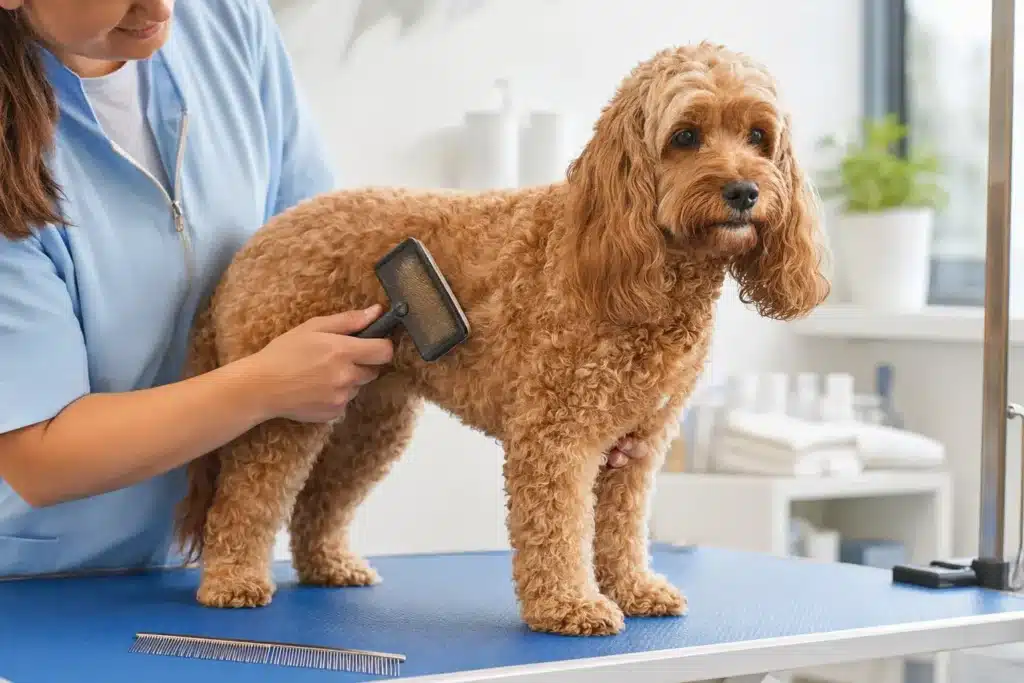
Tip 9: Follow a Consistent Grooming Routine
Cockapoo coats may be straight, wavy, curly, loose, dense, or a combination of textures. A low-shedding coat is not the same as a low-maintenance coat.
Loose hair can remain trapped inside the coat, where it combines with friction and moisture to form tangles. Without regular care, tangles can become tight mats that pull on the skin.
This Cockapoo care guide recommends building grooming into the dog’s routine before the coat becomes difficult to manage.
Basic grooming may include:
- Brushing and combing
- Professional trimming
- Bathing
- Thorough drying
- Ear checks
- Eye-area cleaning
- Nail trimming
- Dental care
- Paw checks
For additional coat-care resources, visit our Cockapoo grooming hub.
The ASPCA provides general dog grooming tips covering brushing, bathing, ears, teeth, nails, eyes, and paws.
How Often Should a Cockapoo Be Groomed?
There is no perfect grooming interval for every Cockapoo. Coat length, curl pattern, lifestyle, swimming, harness use, and home brushing all affect how quickly tangles develop.
Many owners arrange professional grooming approximately every four to eight weeks, but individual schedules vary.
Our guide to how often a Cockapoo should be groomed will help you create a suitable routine.
Tip 10: Choose the Right Brush
The best grooming tool depends on the coat. A brush that works well for a loose wavy coat may not adequately reach through a dense curly coat.
Common tools include:
- Slicker brush
- Pin brush
- Metal comb
- Detangling spray made for dogs
- Grooming table or secure non-slip surface
A metal comb is particularly useful for checking your work. If the comb cannot move gently from the skin toward the ends, hidden tangles may remain.
Our guide to the best brush for each Cockapoo coat type explains how to match tools with coat texture.
Never pull forcefully through a tight mat. Severe matting may require professional clipping to protect the dog’s comfort and skin.
Tip 11: Prevent Matting Behind the Ears
The area behind a Cockapoo’s ears is especially vulnerable to matting. Fine hair, moisture, scratching, and friction from collars can quickly create knots.
To reduce the risk:
- Check behind both ears frequently
- Work in small sections
- Separate hair gently with your fingers
- Brush close to the skin
- Confirm with a metal comb
- Keep the area dry
- Address small tangles early
- Ask a groomer to keep the area manageable
Do not use scissors close to the skin to cut out a tight mat. Dog skin can be pulled into the mat, making accidental injury more likely.
Follow our complete Cockapoo matting behind the ears prevention guide for step-by-step advice.
The grooming portion of this Cockapoo care guide is particularly important for dogs with dense or curly coats.
Tip 12: Monitor the Ears, Eyes, Skin, and Teeth
Cockapoos commonly have floppy ears that can trap heat, moisture, and debris. Regular checks can help owners notice changes before discomfort becomes severe.
Ear Warning Signs
Watch for:
- Head shaking
- Scratching
- Redness
- Swelling
- Strong odor
- Dark or yellow discharge
- Pain when touched
- Holding the head at an unusual angle
Do not insert cotton swabs or other objects into the ear canal. If the ear is painful, inflamed, or producing discharge, arrange a veterinary examination rather than repeatedly applying home remedies.
Our guide to Cockapoo ear-infection signs explains what owners may notice first.
Eye and Tear-Stain Care
Cockapoos may develop staining below the eyes. Mild staining can be cosmetic, but persistent discharge may also be associated with irritation, blocked tear drainage, eyelid problems, allergies, or eye disease.
Seek veterinary advice for:
- Redness
- Swelling
- Squinting
- Cloudiness
- Thick discharge
- Rubbing at the eye
- Sudden changes in vision
For everyday cleaning and warning signs, read our Cockapoo tear-stain removal guide.
Skin and Scratching
Occasional scratching is normal. Frequent or intense scratching may indicate parasites, allergies, infection, dry skin, pain, or irritation from grooming products.
Our article about why a Cockapoo scratches so much explains the possible causes and why repeated symptoms need proper investigation.
Teeth and Dental Care
Use dog-specific toothpaste and gradually teach your Cockapoo to accept toothbrushing. Human toothpaste should not be used.
Dental problems may contribute to:
- Bad breath
- Red or bleeding gums
- Difficulty eating
- Dropping food
- Pawing at the mouth
- Loose teeth
- Facial swelling
Include dental checks in routine veterinary appointments.
Tip 13: Learn Common Cockapoo Health Concerns
Cockapoos can inherit health risks associated with either the Cocker Spaniel or Poodle side. Being a mixed breed does not guarantee protection from inherited disease.
Potential concerns may include:
- Ear infections
- Skin allergies
- Dental disease
- Eye conditions
- Hip dysplasia
- Patellar luxation
- Weight gain
- Digestive problems
- Certain inherited disorders
Our overview of common Cockapoo health issues explains the conditions and warning signs owners should understand.
Additional breed-specific resources are available in the Cockapoo health hub.
A responsible breeder should be willing to discuss the health history of both parent dogs and provide verifiable testing information. The Orthopedic Foundation for Animals offers information and searchable health records for participating dogs.
Preventive Healthcare Checklist
Work with your veterinarian to create an individual preventive-care plan that may include:
- Physical examinations
- Vaccination
- Parasite prevention
- Weight monitoring
- Dental care
- Ear and skin assessments
- Eye examinations
- Blood or urine tests when appropriate
- Discussion of inherited risks
- Spaying or neutering advice
The health information in this Cockapoo care guide is educational and should not replace veterinary examination, diagnosis, or treatment.
When to Contact a Veterinarian Urgently
Seek prompt professional advice if your Cockapoo experiences:
- Difficulty breathing
- Collapse or severe weakness
- Suspected poisoning
- Repeated vomiting
- Blood in vomit or stool
- A swollen or painful abdomen
- Seizure-like activity
- Inability to stand
- Serious injury
- Sudden loss of vision
- Inability to urinate
- Severe or rapidly worsening pain
When uncertain, contact your veterinarian or an appropriate emergency clinic rather than waiting for symptoms to become more serious.
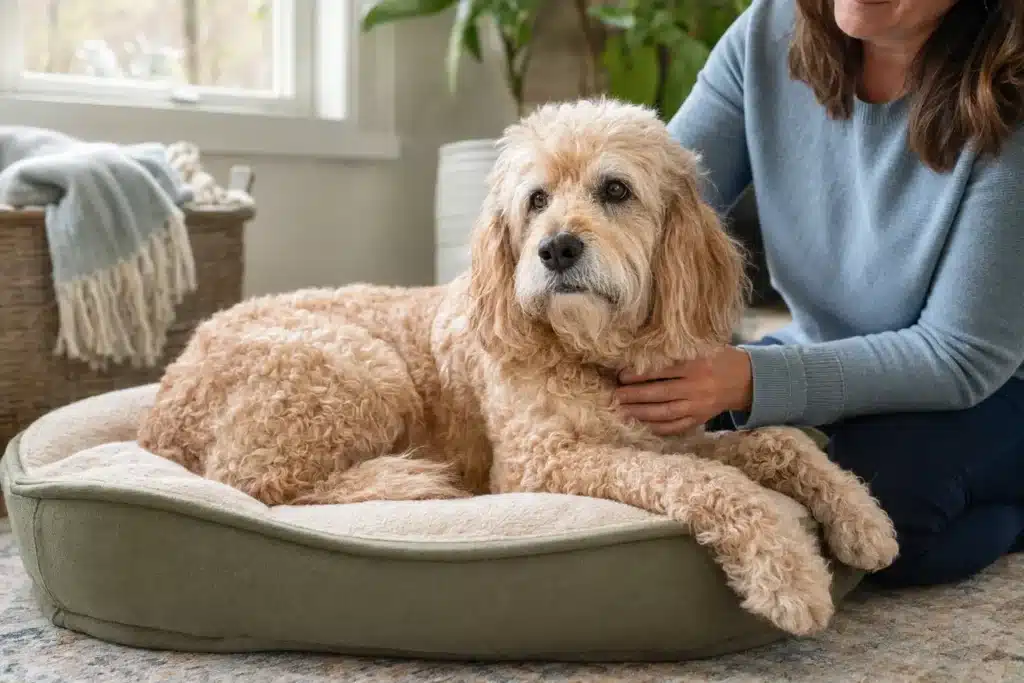
Tip 14: Adapt Care as Your Cockapoo Ages
Cockapoos commonly have a long lifespan, but individual longevity varies. Genetics, weight, diet, preventive healthcare, activity, and existing medical conditions all contribute.
Our guide to Cockapoo lifespan and aging stages explains how care may change from adulthood into the senior years.
A senior Cockapoo care guide should focus on comfort and early detection rather than assuming every change is simply caused by age.
Senior support may include:
- More frequent health reviews
- Weight monitoring
- Comfortable bedding
- Non-slip flooring
- Shorter walks
- Gentle mental stimulation
- Easy access to food and water
- Dental monitoring
- Nail and paw care
- Watching for cognitive changes
- Ramps or steps where appropriate
For additional resources, visit our senior Cockapoo care hub.
Senior Cockapoo Nutrition
A senior dog’s diet should reflect its body condition, health, activity level, and veterinary recommendations. Age alone does not determine the ideal food.
Some senior dogs need fewer calories because they are less active. Others may need additional nutritional support because of illness, reduced appetite, or difficulty maintaining weight.
Our senior Cockapoo diet guide explains portions, weight management, feeding routines, and questions to discuss with your veterinarian.
Anxiety in Senior Cockapoos
An older Cockapoo may become restless at night, unusually clingy, confused, sensitive to sounds, or distressed when left alone. Possible contributors include pain, reduced vision or hearing, household changes, medical illness, or cognitive decline.
Do not assume new anxiety is only behavioral. A veterinary assessment can help rule out physical causes.
Our guide to helping a senior Cockapoo with anxiety provides practical ways to improve predictability, comfort, and security.
Tip 15: Build a Realistic Daily Cockapoo Routine
Cockapoos usually benefit from predictable routines. A schedule can reduce uncertainty while ensuring important physical, emotional, and grooming needs are not overlooked.
A practical adult routine might look like this:
Morning
- Toilet break
- Measured breakfast
- Walk with time to sniff
- Short training session
- Calm rest
Afternoon
- Toilet opportunity
- Brief walk or supervised play
- Food puzzle or safe chew
- Independent relaxation
- Quick coat and ear check
Evening
- Walk or interactive activity
- Dinner
- Gentle grooming when scheduled
- Family interaction
- Toothbrushing
- Final toilet break
- Quiet bedtime routine
This schedule is only a starting point. Puppies may need more frequent meals and toilet breaks. Senior dogs may require shorter walks, additional comfort, and more frequent health monitoring.
Use the routine in this Cockapoo care guide as a flexible template rather than a rigid timetable.
Are Cockapoos Good Apartment Dogs?
Many Cockapoos can adapt to apartments when their exercise, enrichment, toilet, training, and companionship needs are met.
Owners should prepare for:
- Barking at hallway noises
- Excitement around neighbors
- Limited private outdoor space
- Toilet scheduling
- Lift or stair access
- Managing separation distress
- Daily walking regardless of weather
The dog’s size alone does not determine whether it will be happy in an apartment. Temperament, training, routine, and noise sensitivity also matter.
If you are comparing small homes and different Doodle breeds, read whether small Doodles can live in small apartments.
Cockapoo or Cavapoo: Which Should You Choose?
Cockapoos and Cavapoos share Poodle ancestry, affectionate personalities, and demanding coat-care needs. However, an individual Cockapoo may be more energetic or outgoing, while an individual Cavapoo may appear calmer or more people-focused.
These are tendencies rather than guarantees.
Before choosing, compare:
- Adult size
- Energy
- Barking
- Grooming
- Separation-related behavior
- Trainability
- Health risks
- Family routine
- Apartment suitability
- Senior-care expectations
Our Cavapoo and Cockapoo comparison guide can help you explore both breeds.
You can also read which is calmer—a Cavapoo or Cockapoo for a focused temperament comparison.
Is a Cockapoo High Maintenance?
A Cockapoo can be demanding in some areas and relatively manageable in others.
Potentially demanding areas include:
- Brushing
- Professional grooming
- Ear care
- Training through adolescence
- Daily companionship
- Managing barking
- Preventing separation anxiety
Potentially manageable areas include:
- Adaptability to different home sizes
- Trainability
- Moderate physical size
- Participation in family routines
- Ability to enjoy both walks and indoor activities
The goal of this Cockapoo care guide is not to present the breed as perfect or difficult. It is to give owners realistic expectations so they can decide whether the responsibilities match their lifestyle.
Final Cockapoo Owner Checklist
Before bringing home a Cockapoo, confirm that you can provide:
- Suitable food
- Daily exercise
- Mental stimulation
- Reward-based training
- Gradual independence training
- Regular brushing
- Professional grooming
- Ear and dental care
- Preventive veterinary care
- A safe resting space
- Emergency savings or insurance
- Long-term senior support
Save this Cockapoo care guide and review it as your dog moves through puppyhood, adolescence, adulthood, and the senior years.
Cockapoo Care Guide: Final Thoughts
A Cockapoo can be an affectionate, intelligent, and entertaining companion, but responsible ownership requires more than admiring its curly coat. These dogs need consistent training, regular grooming, daily activity, preventive healthcare, emotional security, and opportunities to learn how to relax independently.
The most effective approach is to observe the individual dog and adjust its routine as its needs change. Pay attention to subtle behavior or health changes, ask professionals for help when necessary, and avoid assuming that every issue is simply a normal breed trait.
With realistic expectations and thoughtful care, this Cockapoo care guide can help you create a routine that supports your dog from puppyhood through its senior years.
Frequently Asked Questions
Is a Cockapoo suitable for a first-time owner?
A Cockapoo can suit a committed first-time owner who is prepared for grooming, training, exercise, companionship, and routine healthcare. Its friendly appearance should not be mistaken for maintenance-free ownership.
Are Cockapoos easy to train?
Many Cockapoos respond well to reward-based training because they are intelligent and socially motivated. Training may become more difficult when sessions are inconsistent, overly long, or conducted in distracting environments.
How often should a Cockapoo be brushed?
The appropriate frequency depends on coat type and length. Many Cockapoos need brushing several times per week, while dense, long, or curly coats may require daily attention in high-friction areas.
How often does a Cockapoo need professional grooming?
Many Cockapoos visit a professional groomer approximately every four to eight weeks. The correct schedule depends on coat texture, haircut length, lifestyle, and home maintenance.
Can a Cockapoo live in an apartment?
Yes. Many Cockapoos can live successfully in apartments when they receive sufficient exercise, enrichment, toilet access, training, and companionship. Noise-related barking should be addressed early.
Can Cockapoos be left alone?
Cockapoos can learn to spend appropriate periods alone, but training should be gradual. Dogs showing severe panic, destruction, or escape behavior may require professional assessment.
Are Cockapoos hypoallergenic?
No dog is completely hypoallergenic. Some Cockapoos shed less than many other breeds, but allergens can still be present in dander, saliva, and urine. Individual coats also vary.
What health problems can affect Cockapoos?
Potential concerns include ear infections, skin allergies, eye conditions, dental disease, joint problems, weight gain, and inherited disorders. Individual risk varies.
How long do Cockapoos live?
Many Cockapoos live approximately 12–15 years. Genetics, body weight, lifestyle, preventive healthcare, and existing medical conditions can affect individual lifespan.
Why does my Cockapoo scratch so much?
Possible causes include parasites, environmental allergies, food reactions, bacterial or yeast infections, dry skin, and irritation from grooming products. Persistent scratching needs veterinary assessment.
Why does my Cockapoo keep getting ear infections?
Floppy ears may trap heat and moisture, but allergies, excessive earwax, swimming, infection, and underlying skin conditions can also contribute. Recurring infections require veterinary investigation.
What should a Cockapoo owner do every day?
Daily care should normally include measured feeding, fresh water, toilet access, suitable exercise, mental stimulation, social interaction, rest, basic training, and monitoring for changes in health or behavior.