Cavapoo Care Guide: 15 Essential Owner Tips
Bringing home a Cavapoo can feel like adding a cheerful, curly-haired shadow to your family. These affectionate dogs are clever, adaptable, and usually happiest when they are close to their people. However, their teddy-bear appearance can hide some demanding grooming, training, health, and emotional needs.
This Cavapoo care guide explains what daily life with a Cavapoo is really like—from feeding and exercise to grooming, behavior, healthcare, senior support, and ownership costs. Whether you already have a Cavapoo or are deciding if the breed suits your lifestyle, this guide will help you make informed and practical choices.
This Cavapoo care guide brings behavior, training, nutrition, grooming, health, and senior support together in one practical resource.
Cavapoo Care Guide: Quick Breed Overview
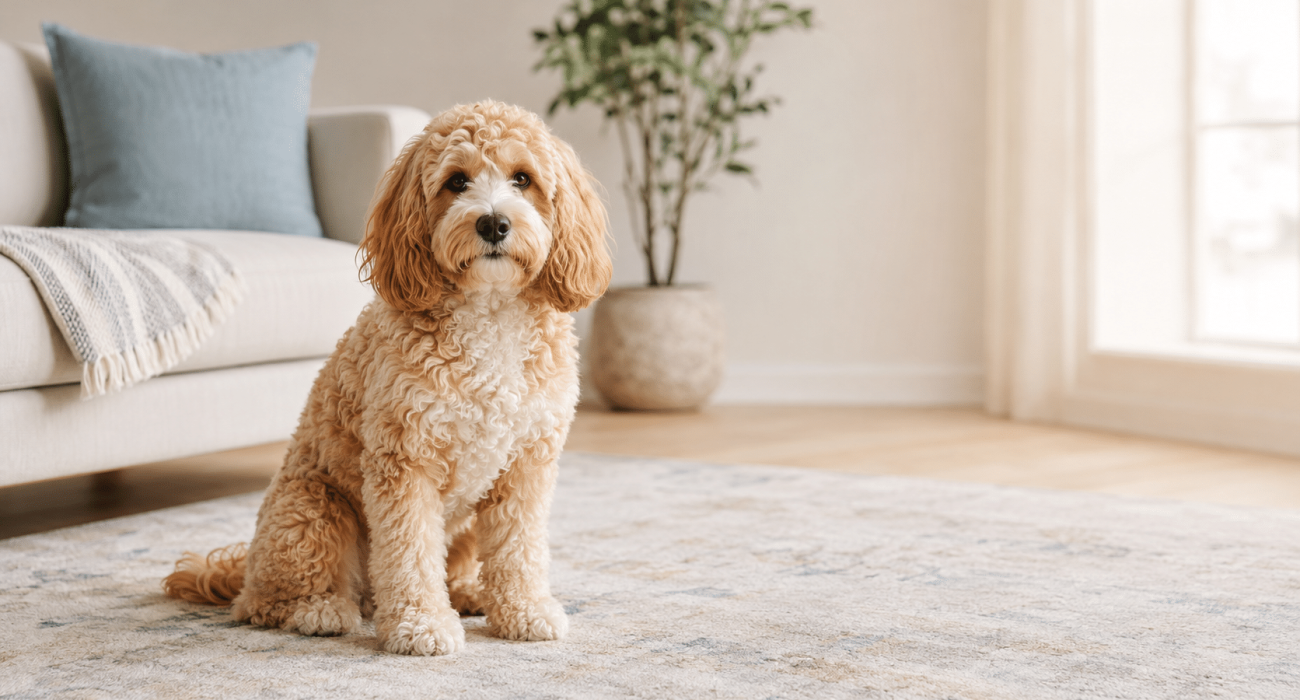
A Cavapoo is a cross between a Cavalier King Charles Spaniel and a Toy or Miniature Poodle. Because it is a mixed breed, its size, coat, temperament, and energy level can vary depending on the traits inherited from each parent.
Typical Cavapoos are:
- Affectionate and people-focused
- Intelligent and responsive to training
- Playful without usually requiring extreme exercise
- Suitable for many apartments and smaller homes
- Low-shedding but not maintenance-free
- Prone to becoming overly attached if independence is not taught
- In need of regular brushing and professional grooming
Adult Cavapoos commonly weigh around 8–25 pounds, although an individual dog may fall outside this range. You can explore the breed in more detail in our complete Cavapoo guide.
Is a Cavapoo Right for Your Lifestyle?
A reliable Cavapoo care guide should help owners compare the breed’s affectionate personality with its need for grooming, companionship, and consistent training. Cavapoos can fit into many different households, but they are not automatically right for everyone.
They tend to do best with owners who can provide:
- Daily companionship
- Consistent grooming
- Short training sessions
- Regular walks and indoor play
- Gradual alone-time training
- Routine veterinary care
- A realistic grooming and healthcare budget
A Cavapoo may be more challenging if everyone in the household is away for long hours or nobody has time to maintain its coat. Working households should consider whether a Cavapoo’s emotional and exercise needs can be met before bringing one home.
Our guide to whether Cavapoos are too hyper for working couples explains how routines, exercise, and alone-time training affect this decision.
Cavapoo Temperament and Personality
Following a structured Cavapoo care guide can help owners encourage affection without allowing normal attachment to develop into unhealthy dependence.
Most Cavapoos are friendly, gentle, playful, and eager to interact. They often inherit the Cavalier’s affectionate nature and the Poodle’s intelligence. This combination can produce a dog that learns quickly and forms a strong bond with its family.
However, being affectionate is not the same as being emotionally independent.
Some Cavapoos follow their owners from room to room, become distressed when a door closes, or struggle when left alone. If your dog behaves like a constant shadow, read why Cavapoos follow their owners everywhere.
Owners who are unsure whether normal affection has developed into excessive dependence may also find our guide to why a Cavapoo is so clingy useful.
Are Cavapoos Good Family Dogs?
Many Cavapoos live happily with families, singles, couples, and older adults. Their small size can make them easier to manage than larger breeds, but children should still be taught to handle them carefully.
Adult supervision is important when young children and dogs interact. Children should not pull the dog’s ears, disturb it while eating, or pick it up without proper support.
A Cavapoo’s temperament is influenced by:
- Genetics
- Early socialization
- Training
- Previous experiences
- Physical health
- Daily routine
- The way people interact with it
Breed tendencies are useful guidelines, but every Cavapoo remains an individual.
Cavapoo Care Guide for Behavior and Training
The training advice in this Cavapoo care guide focuses on reward-based methods, predictable routines, and realistic expectations. Cavapoos are intelligent, but intelligence does not remove the need for training. In fact, a clever dog can quickly learn unwanted habits if barking, jumping, demanding attention, or stealing objects consistently earns a reaction.
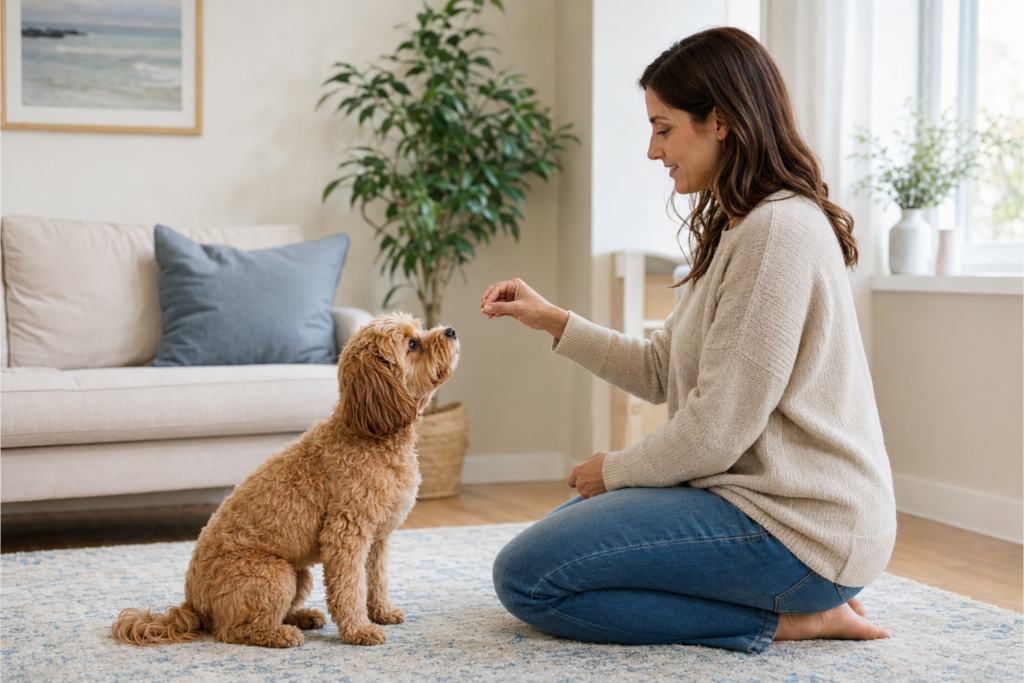
Use reward-based training built around treats, toys, praise, and access to enjoyable activities. Keep sessions short and finish before your dog becomes bored or frustrated.
Reward-based methods encourage the behaviors owners want without relying on fear or physical punishment. The American Kennel Club provides a useful introduction to positive reinforcement dog training for owners who want to understand how rewards influence learning.
Useful early skills include:
- Responding to their name
- Coming when called
- Sit, stay, and leave it
- Walking calmly on a lead
- Settling on a mat
- Waiting at doors
- Accepting brushing and handling
- Spending short periods alone
For more behavior resources, visit our complete Cavapoo behavior guide.
Barking at Apartment Noises
Apartment living exposes dogs to footsteps, elevators, doors, voices, delivery drivers, and unfamiliar sounds. A Cavapoo may bark because it is startled, excited, protective, bored, or expecting something to happen.
Punishing the barking without understanding its cause may increase fear or frustration. A better approach is to identify the trigger, reduce unnecessary exposure, reward calm behavior, and gradually teach the dog that ordinary sounds are safe.
Our detailed article explains why a Cavapoo barks at every apartment noise and how owners can respond realistically.
Managing Overexcitement Indoors
Overexcitement may look like zooming, jumping, mouthing, barking, grabbing clothing, or struggling to settle. It does not always mean the dog needs more intense exercise. Some dogs become more chaotic when they are overtired or overstimulated.
A balanced routine should include:
- Sniffing walks
- Food puzzles
- Short training games
- Chewing opportunities
- Predictable rest periods
- Calm interaction
- Age-appropriate exercise
If your dog struggles to switch off, follow these practical steps for calming an overexcited Cavapoo indoors.
Sudden Aggression or Behavior Changes
Growling, snapping, guarding, or suddenly avoiding touch should not be dismissed as stubbornness. Pain, fear, hormonal changes, resource guarding, stress, or an unpleasant experience may contribute to a behavior change.
This can be especially confusing during adolescence. Our guide about a Cavapoo suddenly becoming aggressive at one year old explains common possibilities and when professional help is appropriate.
A sudden or significant personality change should also be discussed with a veterinarian to rule out pain or illness.
Cavapoo Separation Anxiety and Alone-Time Training
This Cavapoo care guide recommends beginning alone-time training early instead of waiting for severe separation-related behavior to develop. Cavapoos often form close relationships with their owners, which can make separation difficult. Possible signs of separation-related distress include:
- Barking or crying after departure
- Destructive scratching or chewing
- Pacing and panting
- Toileting indoors
- Refusing food when alone
- Trying to escape
- Becoming distressed before the owner leaves
Start alone-time training before a problem becomes severe. Let the dog experience brief, manageable periods of separation while it remains calm. Gradually increase the duration instead of leaving it alone for several hours without preparation.
Avoid dramatic departures and arrivals. Provide an appropriate safe area, a comfortable bed, water, and a suitable enrichment activity.
Read our complete guide to Cavapoo separation anxiety for a more structured plan.
Nighttime crying can have different causes in puppies and adults. A young puppy may need comfort, toilet breaks, and gradual adjustment, while an adult may be responding to pain, fear, routine changes, or learned behavior.
Learn more about Cavapoo crying at night and the differences between puppy and adult causes.
Cavapoo Exercise Requirements
No Cavapoo care guide can prescribe one exercise target for every dog because age, health, size, and energy levels vary. Most Cavapoos need daily physical activity and mental stimulation, but there is no single exercise target suitable for every dog.
Exercise should reflect your Cavapoo’s:
- Age
- Weight
- Health
- Fitness level
- Size
- Energy level
- Weather conditions
Many healthy adult Cavapoos enjoy a combination of daily walks, sniffing, indoor games, and training. Puppies need shorter, age-appropriate activity, while senior dogs may benefit from gentler and more frequent movement.
Watch the dog in front of you. Persistent restlessness can indicate unmet needs, but excessive panting, reluctance to continue, stiffness, limping, or delayed recovery may indicate that the activity is too demanding.
Mental stimulation is also important. A short sniffing walk or puzzle activity may sometimes be more satisfying than repetitive high-intensity exercise.
Cavapoo Feeding and Nutrition
Use this Cavapoo care guide as a general starting point, but ask your veterinarian to recommend portions and food suitable for your individual dog. Choose a complete food appropriate for your Cavapoo’s life stage. A puppy, healthy adult, and senior dog have different nutritional needs.
A practical feeding routine includes:
- Measuring each meal
- Feeding on a consistent schedule
- Limiting high-calorie treats
- Monitoring weight and body condition
- Keeping fresh water available
- Making dietary changes gradually
- Discussing supplements with a veterinarian
PetMD recommends selecting a life-stage-appropriate food and consulting a veterinarian before making major dietary changes. It also notes that treats should remain a small part of daily calorie intake. You can review its veterinarian-reviewed Cavapoo health and feeding guidance.
For US readers, food carrying an AAFCO nutritional adequacy statement can help identify whether it is formulated to be complete for a particular life stage. Learn more from the Association of American Feed Control Officials.
What If a Cavapoo Has a Sensitive Stomach?
Repeated vomiting, diarrhea, loss of appetite, weight loss, blood in the stool, or abdominal pain requires veterinary attention. Do not assume every digestive problem is caused by a food allergy.
When a veterinarian has ruled out an urgent illness, changes to portions, feeding schedules, treats, or diet may form part of the management plan.
Our Cavapoo sensitive-stomach food guide covers practical points to discuss with your veterinarian.
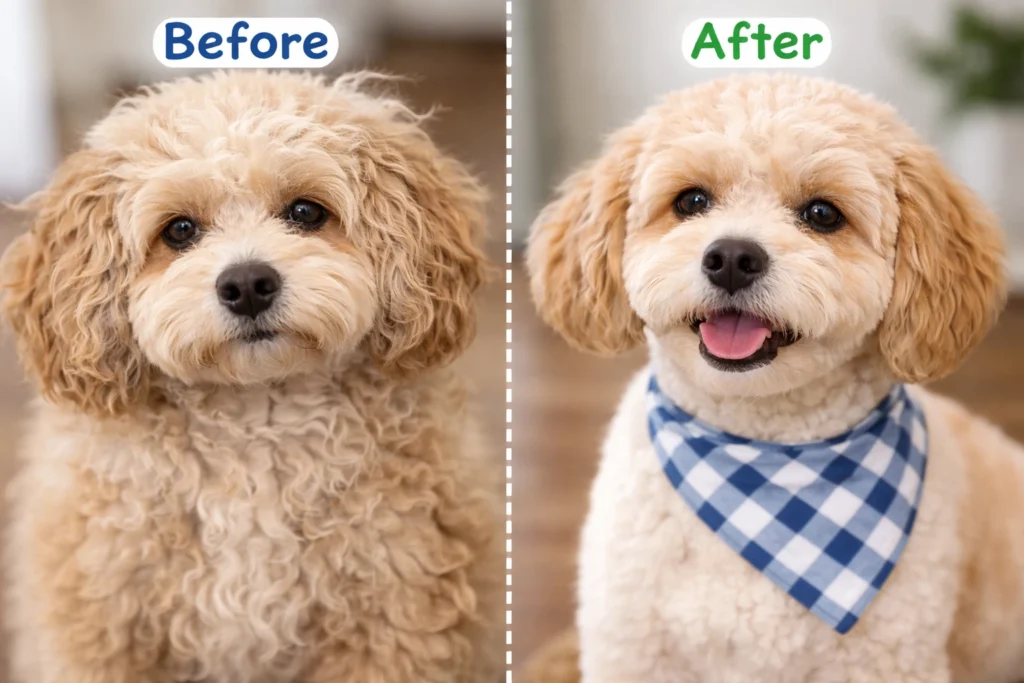
Cavapoo Care Guide for Grooming
One of the biggest surprises for new owners is how much grooming a Cavapoo can require. A low-shedding coat still releases hair and develops tangles. Loose hair can remain trapped inside the curls, where it contributes to matting.
Safe grooming involves more than keeping the coat attractive. Owners should use dog-safe products, protect the eyes and ears during bathing, and rinse the coat thoroughly. These practical dog grooming tips from the ASPCA provide additional general guidance.
The grooming portion of this Cavapoo care guide is especially important for long, curly, or easily matted coats. For additional tutorials, tools, and coat advice, visit our Cavapoo grooming hub.
Brushing a Cavapoo
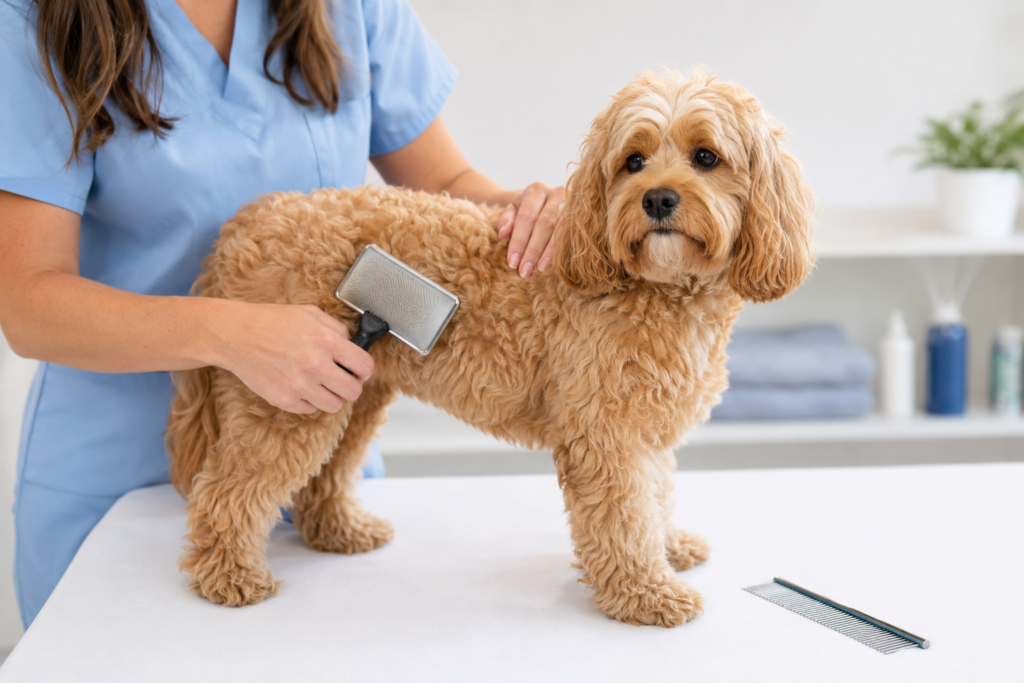
Brush through the coat in sections and check close to the skin. Brushing only the top layer can leave hidden tangles underneath.
Pay particular attention to:
- Behind the ears
- Under the collar or harness
- Armpits
- Chest
- Legs
- Tail
- Belly
The correct tool depends on the coat’s length, thickness, and curl pattern. A slicker brush may help separate a curly coat, while a metal comb can reveal small tangles the brush missed.
See our tested guide to choosing the best brush for a curly Cavapoo coat.
Professional Grooming
Many Cavapoos require professional grooming approximately every four to eight weeks, although the appropriate interval depends on coat length, home brushing, lifestyle, and the groomer’s recommendation.
Our guide to how often a Cavapoo should be groomed helps owners build a realistic schedule.
Shaving should not be treated as the automatic solution to every coat problem. It may sometimes be necessary when matting is severe and removing it humanely is the priority.
Read whether shaving a Cavapoo is ever a good idea before making the decision.
Bathing and Odor
Use a dog-safe shampoo and rinse the coat thoroughly. Leaving moisture or shampoo inside a dense coat may irritate the skin. Drying is equally important, particularly around the ears, feet, and skin folds.
If an unpleasant smell quickly returns after bathing, the source may be the ears, mouth, skin, anal glands, damp coat, or an underlying medical issue.
Explore the possible reasons a Cavapoo smells after a bath.
Cavapoo Ear Care
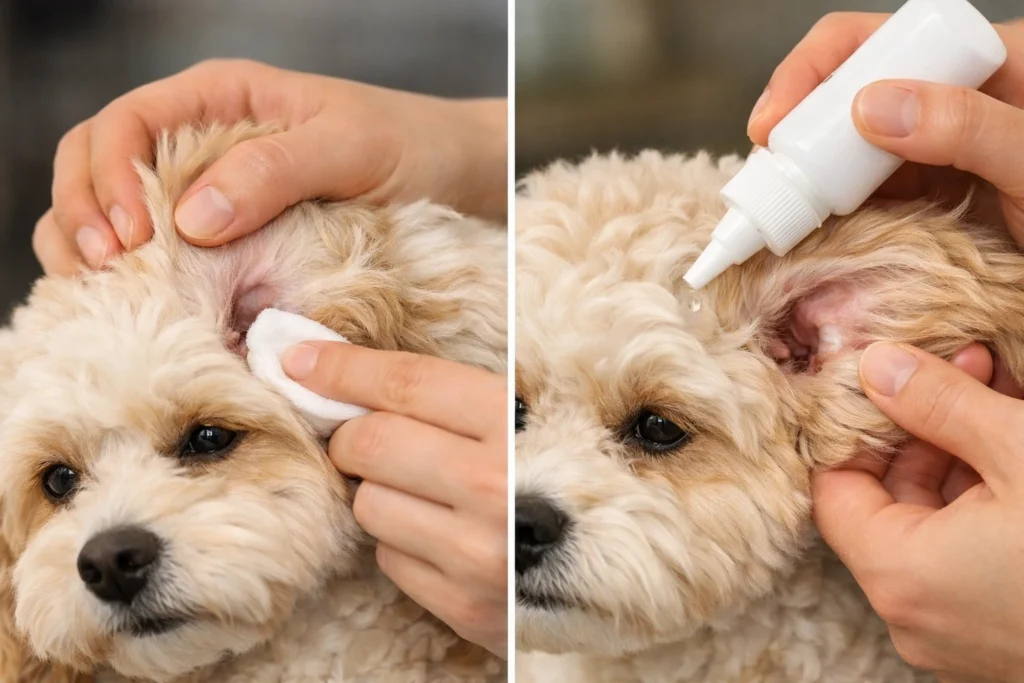
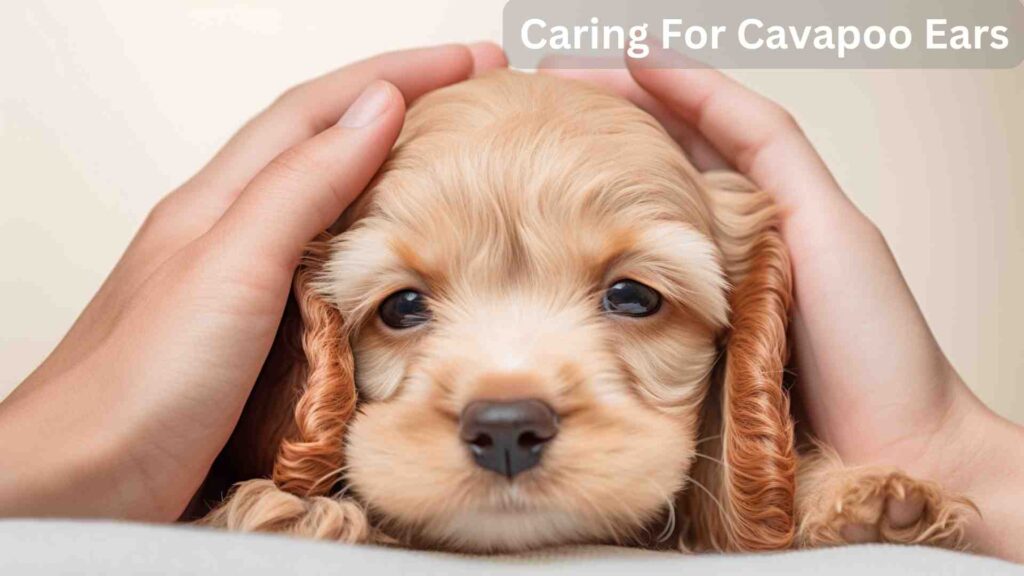
Floppy, hairy ears can trap heat and moisture. Check your Cavapoo’s ears regularly, but do not push cotton swabs or other objects into the ear canal.
Watch for:
- Redness
- Discharge
- Strong odor
- Head shaking
- Scratching
- Pain when the ear is touched
Use our step-by-step Cavapoo ear-cleaning routine for safe everyday maintenance.
Recurring infections or obvious discomfort need veterinary assessment. Our guide explains whether Cavapoos are prone to ear infections and which warning signs should not be ignored.
Eye and Tear-Stain Care
A small amount of staining around the eyes can be cosmetic, but redness, swelling, squinting, pain, thick discharge, or a sudden change needs professional attention.
Keep facial hair tidy and use only dog-safe products around the eyes. For routine care, see our guide to Cavapoo tear-stain causes and fixes.
Teeth and Nails
Brush your Cavapoo’s teeth using dog-specific toothpaste. Human toothpaste may contain ingredients that are unsafe for dogs.
Nails should be trimmed before they become long enough to affect the dog’s posture or click heavily on the floor. Ask a groomer or veterinary professional for a demonstration if you are uncomfortable trimming dark nails.
Cavapoo Care Guide for Health and Prevention
This Cavapoo care guide cannot replace veterinary diagnosis, particularly when symptoms appear suddenly or continue to worsen. Cavapoos can inherit health risks from either parent breed. Being a crossbreed does not guarantee freedom from inherited disease.
Potential concerns may include:
- Ear infections
- Dental disease
- Patellar luxation
- Hip problems
- Eye conditions
- Allergies
- Heart disease
- Skin problems
- Certain neurological conditions
Our overview of common Cavapoo health problems explains the symptoms owners often notice first.
You can find additional breed-specific information in the Cavapoo health hub.
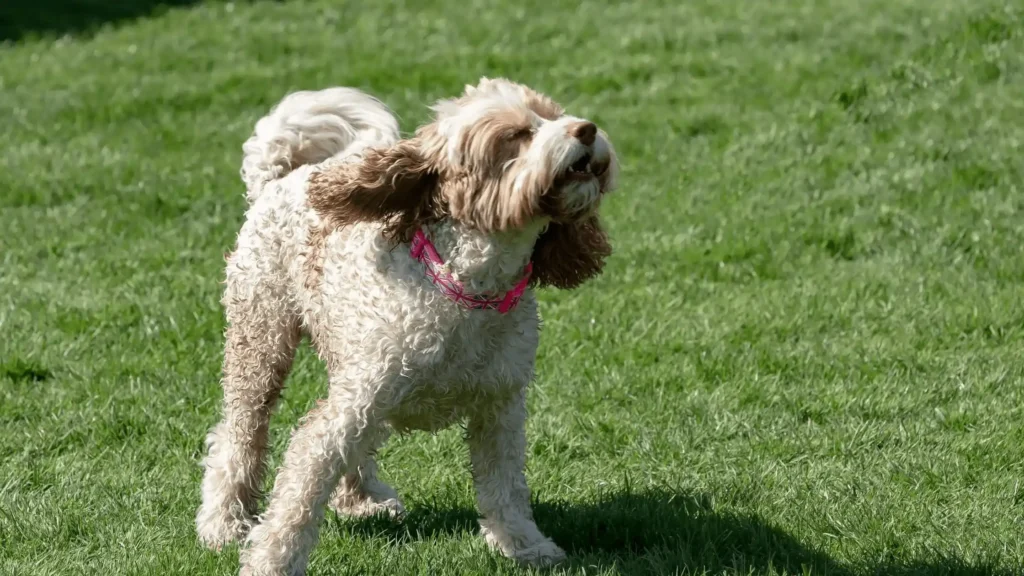
When Shaking Needs Attention
A dog may shake because it is cold, frightened, excited, nauseated, painful, or unwell. The surrounding circumstances matter.
Seek veterinary advice promptly if shaking is accompanied by:
- Weakness or collapse
- Vomiting
- Trouble breathing
- Loss of coordination
- Suspected poisoning
- Severe pain
- Pale gums
- Seizure-like activity
- A sudden major behavior change
Our guide to a Cavapoo shaking for no obvious reason helps distinguish common situations from warning signs.
Important: This article provides general educational information and is not a substitute for examination, diagnosis, or treatment by a qualified veterinarian.
Preventive Healthcare Checklist
A responsible Cavapoo care guide should always encourage preventive examinations instead of waiting until a dog becomes visibly unwell. Work with your veterinarian to create an individual preventive-care plan that may include:
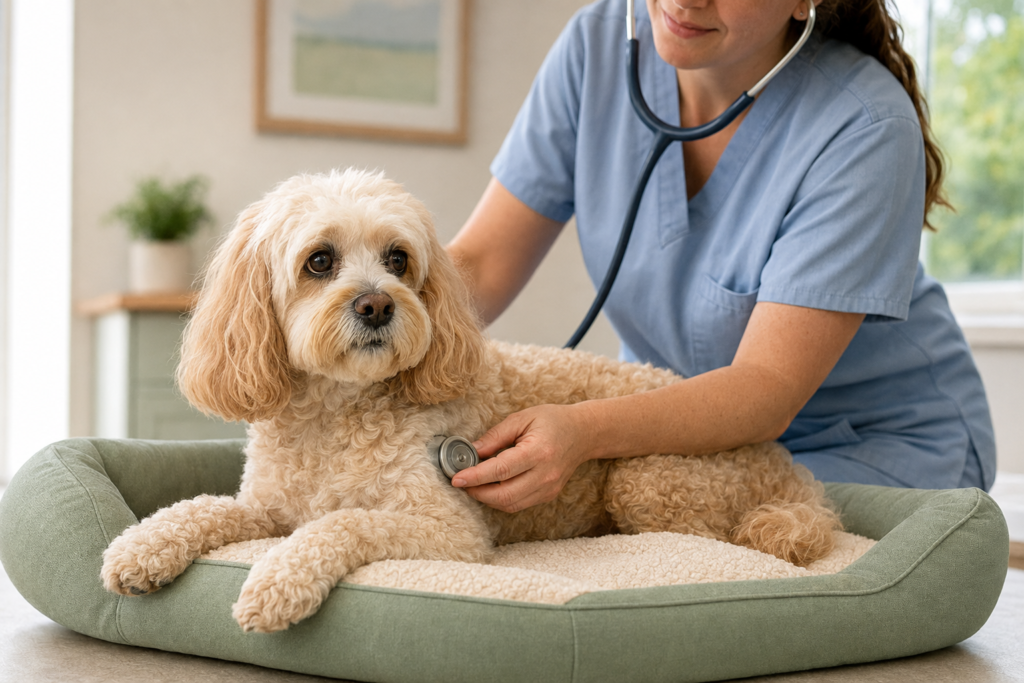
- Routine physical examinations
- Core and lifestyle-based vaccinations
- Parasite prevention
- Dental checks
- Weight monitoring
- Ear and skin examinations
- Heart assessments when appropriate
- Blood or urine tests based on age and health
- Discussion of inherited conditions
- Spaying or neutering advice
If buying a puppy, ask the breeder for verifiable health information about both parents. The Orthopedic Foundation for Animals provides health-testing information and searchable records for participating dogs.
Senior Cavapoo Care Guide
The senior section of this Cavapoo care guide focuses on comfort, mobility, weight management, and recognizing gradual health changes. A Cavapoo does not become old overnight. Aging is gradual, and different dogs reach the senior stage at different times. Genetics, size, health history, weight, and lifestyle all influence aging.
Learn more about when a Cavapoo is considered senior.
Senior care may involve:
- More frequent health checks
- Weight management
- Comfortable sleeping areas
- Non-slip flooring
- Shorter and gentler walks
- Easy access to food and water
- Dental monitoring
- Changes to diet after veterinary advice
- Ramps or safer stair access
- Watching for cognitive or behavioral changes
Visit our senior Cavapoo care hub for more age-specific guidance.
Joint Pain and Mobility
Early signs of discomfort can be subtle. A senior dog may hesitate before jumping, move more slowly after rest, avoid stairs, lick a joint, or become irritable when touched.
Our guide to senior Cavapoo joint-pain signs explains what owners should monitor.
A supportive sleeping surface may also improve comfort. See our guide to selecting the best bed for a senior Cavapoo with arthritis.
Stairs can become difficult when vision, balance, confidence, or joint comfort declines. These steps can help a senior Cavapoo use stairs more safely.
Not every slower movement is an emergency, but a sudden or significant decline should not be blamed on age alone. Learn to recognize normal versus concerning signs that a Cavapoo is slowing down.
How Much Does Cavapoo Ownership Cost?
This Cavapoo care guide includes ownership costs because grooming, dental care, training, and emergency treatment can significantly affect the household budget. The purchase or adoption fee is only the beginning. Ongoing expenses may include:
- Food and treats
- Professional grooming
- Brushes and coat products
- Veterinary examinations
- Vaccinations and parasite prevention
- Dental care
- Training
- Toys and enrichment
- Pet insurance
- Boarding or pet sitting
- Emergency treatment
- Senior support products
For a US-focused estimate, see the monthly cost of owning a Cavapoo.
Grooming can become one of the largest predictable expenses. Our breakdown of annual Cavapoo grooming costs will help you plan.
Remember to budget for less obvious expenses such as dental procedures, emergency boarding, training support, replacement grooming tools, dietary trials, or home modifications for an older dog.
Review the hidden costs of Cavapoo ownership before setting your budget.
The complete Cavapoo cost guide brings these financial considerations together.
Are Cavapoos High Maintenance?
Cavapoos can be high maintenance in some areas and relatively manageable in others.
They are often demanding when it comes to:
- Coat maintenance
- Professional grooming
- Companionship
- Independence training
- Ear and dental care
They may be easier to manage regarding:
- Home size
- Physical strength
- Exercise compared with many high-energy working breeds
- Reward-based training
- Travel and handling due to their smaller size
Our honest breakdown of whether Cavapoos are high maintenance can help you compare these demands with your routine.
Simple Daily Cavapoo Care Schedule
Use the daily routine in this Cavapoo care guide as a flexible template rather than a fixed schedule for every dog. A practical adult routine might look like this:
Morning
- Toilet break
- Measured breakfast
- Walk with time to sniff
- Brief training session
- Calm rest
Afternoon
- Toilet break or short walk
- Food puzzle or safe chew
- Short period of independent relaxation
- Coat and ear check when needed
Evening
- Walk or play
- Dinner
- Family interaction
- Toothbrushing
- Final toilet break
- Quiet bedtime routine
This is only a starting point. Puppies, seniors, and dogs with health or behavior concerns need individual schedules.
Final Thoughts
A Cavapoo can be a loving, entertaining, and deeply connected companion, but good care involves more than cuddles and an occasional walk. These dogs need consistent grooming, positive training, suitable exercise, preventive healthcare, emotional security, and gradual independence.
The most successful owners pay attention to the individual dog rather than relying entirely on breed labels. Build a routine, notice small changes, ask for professional help when needed, and adjust care as your Cavapoo moves from puppyhood to adulthood and eventually into its senior years.
With realistic expectations and thoughtful care, you can give your Cavapoo the structure, comfort, and companionship it needs throughout its life. Save this Cavapoo care guide and review it as your dog moves through puppyhood, adulthood, and the senior years.
Frequently Asked Questions
Is a Cavapoo suitable for a first-time owner?
A Cavapoo can suit a committed first-time owner who is prepared for regular grooming, training, exercise, healthcare, and companionship. Owners should not assume that the breed’s small size makes it effortless to care for.
How often should a Cavapoo be brushed?
The ideal frequency depends on coat type and length. Many Cavapoos require brushing several times per week, while longer or curlier coats may need more frequent attention. A metal comb can help check whether brushing has reached the skin.
How often does a Cavapoo need professional grooming?
Many Cavapoos visit a groomer approximately every four to eight weeks. The exact schedule depends on coat type, haircut length, lifestyle, and the quality of home maintenance.
Can Cavapoos live in apartments?
Yes. Many Cavapoos adapt well to apartment living when their exercise, enrichment, toilet, training, and companionship needs are met. Barking at surrounding noises and separation distress should be addressed early.
Can a Cavapoo be left alone?
Cavapoos can learn to spend appropriate periods alone, but training should be gradual. A dog already showing panic or severe distress may require help from a veterinarian or qualified behavior professional.
Are Cavapoos hypoallergenic?
No dog is completely hypoallergenic. Some Cavapoos shed less than many other breeds, but individual coats vary, and people can still react to allergens in dander, saliva, or urine.
What health problems are common in Cavapoos?
Potential concerns include ear infections, dental disease, joint problems, eye conditions, allergies, heart disease, and certain inherited disorders. The presence and severity of these conditions vary between individual dogs.
What is the average Cavapoo lifespan?
Many Cavapoos live approximately 12–15 years, although genetics, weight, preventive healthcare, diet, activity, and existing medical conditions can affect an individual dog’s lifespan.
Are Cavapoos expensive to maintain?
They can be. Professional grooming, preventive veterinary care, dental treatment, food, insurance, training, boarding, and unexpected medical expenses should all be included in the ownership budget.
What should a Cavapoo owner do every day?
Daily care should normally include measured feeding, fresh water, toilet access, suitable exercise, mental stimulation, social contact, rest, basic training, and monitoring for changes in behavior or health.