Small Doodle Dog Care Guide: 15 Essential Tips for a Happy, Healthy Dog
Small Doodles may look like easygoing teddy bears, but caring for one involves much more than occasional brushing and a daily walk. Their intelligence, affectionate nature, curly coats and strong attachment to their families create a unique combination of needs.
This small Doodle dog care guide brings together the most important information Cavapoo and Cockapoo owners need, including feeding, grooming, exercise, training, emotional health, preventive care and aging.
Whether you have recently brought home a puppy or already share your life with an adult Doodle, the goal is not to follow a perfect routine. It is to create a consistent lifestyle that meets your individual dog’s needs.
Cavapoos, Cockapoos and other small Poodle mixes can vary considerably. Coat type, energy level, size and temperament may depend on genetics, upbringing, health and daily environment. Use this guide as a practical starting point and work with your veterinarian, groomer or qualified trainer whenever your dog needs individualized support.
Quick Small Doodle Care Overview
| Care area | General starting point |
|---|---|
| Feeding | Measured, complete and balanced meals |
| Exercise | Daily walks, play and mental enrichment |
| Brushing | At least several times per week; often daily |
| Professional grooming | Commonly every 6–8 weeks |
| Training | Short, positive sessions every day |
| Dental care | Regular home brushing and veterinary checks |
| Ear care | Weekly checks and cleaning when appropriate |
| Vet care | Routine preventive appointments and prompt sick visits |
| Alone-time training | Introduced gradually from an early age |
| Senior care | Adjusted exercise, diet, comfort and veterinary monitoring |
These are general guidelines rather than fixed rules. A tightly curled Cockapoo may need more coat maintenance than a looser-coated Cavapoo, while an energetic young dog may require more activity than a calm adult.
1. Understand Your Small Doodle’s Individual Personality
One of the most important lessons in any small Doodle dog care guide is that the word “Doodle” does not describe a single, predictable personality.
Cavapoos are produced from Cavalier King Charles Spaniel and Poodle lines, while Cockapoos combine Cocker Spaniel and Poodle ancestry. Both are often intelligent, social and people-oriented, but individual dogs may inherit different characteristics.
A Cavapoo may be gentle and content to relax near its owner, while another may be energetic and easily overstimulated. A Cockapoo may be confident and playful, while another may be cautious in unfamiliar situations.
Watch how your dog responds to:
- Visitors and unfamiliar people
- Other dogs and household pets
- Being left alone
- Noisy environments
- Grooming and handling
- New places and surfaces
- Food, toys and training rewards
- Changes to the household routine
Understanding these responses helps you choose an appropriate training, exercise and care plan.
If you are still deciding between these breeds, read our detailed Cavapoo vs Cockapoo comparison and our guide explaining which is calmer: a Cavapoo or Cockapoo.
2. Choose Complete and Balanced Food
A small Doodle requires food appropriate for its species, age, size, activity level and health condition. Puppies have different nutritional requirements from adults, while senior dogs may need adjustments based on their weight, mobility and medical history.
Look for a nutritional adequacy statement on the package. The Association of American Feed Control Officials’ pet-food guidance explains why this statement is important when matching food to a dog’s life stage.
Instead of selecting food based only on attractive packaging or trends, consider:
- Whether it is formulated for your dog’s life stage
- The manufacturer’s feeding instructions
- Your dog’s current body condition
- Calorie content per cup or portion
- Digestive tolerance
- Any veterinarian-diagnosed allergies or health conditions
Measure meals rather than continually topping up the bowl. Small dogs can gain weight from portions that appear harmless to a human.
Treats also count toward daily calorie intake. Break training treats into tiny pieces; your dog usually values the reward and interaction more than the size of the treat.
If your Cavapoo frequently experiences loose stool, gas or food-related discomfort, see our Cavapoo sensitive stomach food guide. Owners of older Cockapoos can also follow our senior Cockapoo diet guide.
Contact your veterinarian if your dog develops persistent vomiting, diarrhea, unexplained weight loss, significant appetite changes or blood in its stool.
3. Maintain a Healthy Body Condition
Because small Doodles are fluffy, gradual weight gain can hide beneath their coat. Do not rely only on the number shown on the scale. Ask your veterinarian to demonstrate how to assess your dog’s body condition.
In general, you should be able to feel the ribs beneath a light layer of tissue without pressing hard. Your dog should also have a visible waist when viewed from above, although coat shape can make this difficult to judge.
Weigh your dog regularly and record the result. Consistent tracking makes small changes easier to notice.
Weight management matters because excess weight can place additional pressure on joints, reduce stamina and make existing health problems harder to manage. It can be particularly important as your Doodle reaches its senior years.
Avoid making major dietary restrictions without professional advice. Puppies, growing dogs and dogs with medical conditions need carefully balanced nutrition.
4. Create an Appropriate Daily Exercise Routine
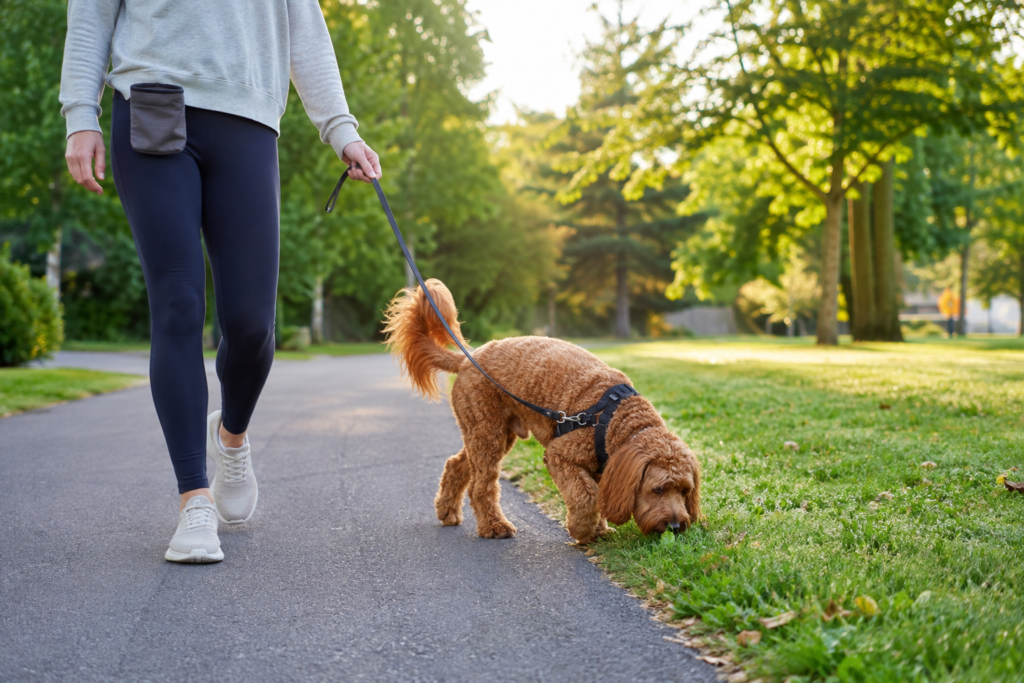
Small size does not mean a dog needs no exercise. Cavapoos and Cockapoos usually benefit from daily physical activity, exploration and play.
A healthy adult may enjoy:
- One or two daily walks
- Sniffing opportunities
- Short games of fetch
- Gentle tug games
- Indoor play
- Simple training exercises
- Supervised exploration in secure areas
Exercise requirements vary. Age, fitness, weather, health and temperament should guide the duration and intensity.
Puppies need controlled activity with sufficient rest rather than forced long-distance exercise. Senior dogs may prefer shorter, more frequent walks. Dogs with pain, breathing difficulty or mobility problems need veterinary guidance before their routine is changed.
Exercise should not leave your dog limping, repeatedly falling behind, refusing to continue or taking an unusually long time to recover.
Mental activity is equally important. A ten-minute sniffing game or reward-based training session can sometimes settle an excitable dog more effectively than repeatedly increasing physical exercise.
Working owners concerned about meeting a dog’s activity requirements should read Are Cavapoos too hyper for working couples?.
5. Provide Daily Mental Enrichment
Poodle mixes tend to be intelligent and quick to notice patterns. Without appropriate outlets, that intelligence may appear as barking, stealing objects, attention-seeking or destructive behavior.
Useful enrichment activities include:
- Snuffle mats
- Treat-searching games
- Food puzzles
- Safe stuffed toys
- Short obedience sessions
- Scent games
- Hide-and-seek
- Rotating toys
- Learning the names of toys
- Calm observation from a safe location
Do not make every activity highly exciting. Small Doodles also need to learn how to settle.
Alternate active games with calm enrichment, such as licking, chewing an appropriate item or resting on a mat. Supervise new toys and remove anything your dog can break into dangerous pieces.
For dogs that become wild or difficult to settle inside, follow these practical steps for calming an overexcited Cavapoo indoors.
6. Use Positive, Consistent Training
Training should begin when your dog arrives home, but it does not need to feel formal. Reward the behaviors you want during everyday life.
For example:
- Reward four paws on the floor instead of jumping
- Reward calmness before opening a door
- Reward your dog for coming when called
- Reward relaxed behavior during handling
- Reward quiet observation of a noise
- Reward your dog for choosing its bed
Keep sessions short and end while your dog is still engaged. Several two-minute sessions can be more productive than one long session.
Use food, play, praise and access to enjoyable activities as rewards. Avoid intimidation and physical punishment. Harsh corrections can increase fear, damage trust and suppress warning signals without addressing the reason for a behavior.
Consistency is essential. If jumping receives attention on some occasions but is punished on others, your dog receives an unclear message.
Cockapoo owners who are finding training difficult can read Are Cockapoos hard to train? and our guide to Cockapoo adolescent behavior problems.
7. Teach Independence Before It Becomes Urgent
Cavapoos and Cockapoos often form close bonds with their owners. That affection is part of their appeal, but a dog that never practices independence may struggle when left alone.
Start with small, manageable separations:
- Give your dog a safe resting area.
- Encourage it to relax while you remain nearby.
- Briefly move out of sight.
- Return before the dog becomes distressed.
- Increase time and distance gradually.
- Occasionally pick up keys or put on shoes without leaving.
- Keep departures and arrivals calm.
Do not suddenly leave a dog alone for several hours and expect it to understand. Independence is a skill developed through gradual, positive practice.
Possible signs of separation-related distress include persistent barking, howling, panting, pacing, drooling, destruction near exits and indoor toileting that occurs primarily during absences.
The ASPCA’s separation-anxiety resource explains that these behaviors may reflect distress rather than spite or a lack of house training.
Use our detailed guide on preventing separation anxiety in small Doodle puppies to build a healthier routine from the beginning.
Breed-specific help is also available in our guides to Cavapoo separation anxiety and Cockapoo separation anxiety.
If your dog panics, injures itself or cannot tolerate very short absences, contact your veterinarian or a qualified behavior professional.
8. Brush the Coat Before Mats Develop
Coat care is a major part of any realistic small Doodle dog care guide. Although Doodles are often described as low-shedding, low shedding does not mean low maintenance.
Loose hair can remain trapped within a wavy or curly coat, where it contributes to tangles and mats.
Pay particular attention to:
- Behind the ears
- Under the collar or harness
- Armpits
- Chest
- Legs
- Tail
- Belly
- Areas exposed to friction
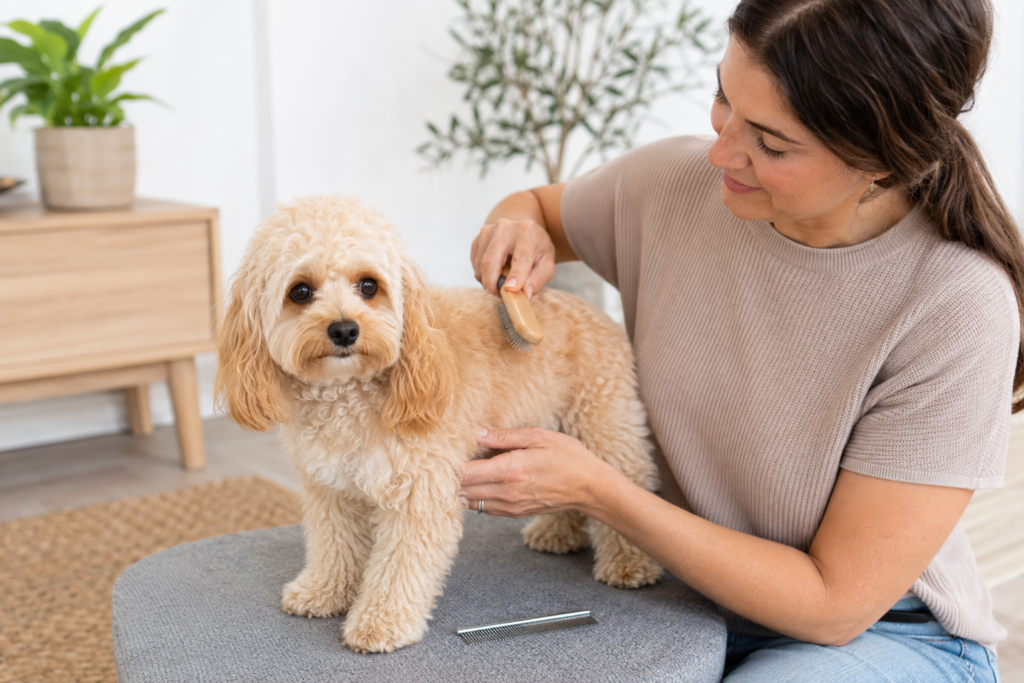
Brush in small sections and work through the full depth of the coat. Simply smoothing the surface can leave tangles close to the skin.
A metal comb can help you check your work after brushing. If the comb cannot pass through an area comfortably, a tangle may still be present.
The American Kennel Club’s home-grooming guidance also recommends choosing tools according to coat length and texture.
Never pull aggressively through a mat. Tight matting can be painful and may conceal skin irritation. Ask a professional groomer for assistance when mats are close to the skin or cover a large area.
Our tested guides can help you choose the best brush for a curly Cavapoo coat or the best brush for a Cockapoo’s coat type.
Cockapoo owners should also review our guide to preventing matting behind the ears.
9. Plan Professional Grooming in Advance
Many small Doodles need professional grooming approximately every six to eight weeks, although the right interval depends on coat type, preferred length, lifestyle and home maintenance.
A professional grooming appointment may include:
- Bathing and drying
- Coat trimming
- Nail care
- Ear-area maintenance
- Sanitary trimming
- Coat and skin observations
Do not wait until the coat is severely matted. Grooming a neglected coat may take longer, feel more uncomfortable and require a much shorter haircut than the owner expected.
Introduce puppies to gentle brushing, paw handling, facial handling, dryer sounds and standing on a stable surface. Early preparation can make professional appointments less stressful.
Learn how often a Cavapoo should be groomed or review the equivalent Cockapoo grooming schedule.
You can compare both coat types in our Cavapoo vs Cockapoo grooming guide.
Before choosing an extremely short trim, read Shaving a Cavapoo: Is It Ever a Good Idea?.
10. Keep Ears Clean, Dry and Comfortable
Floppy, hair-covered ears can trap warmth and moisture. This does not mean every small Doodle will develop an infection, but regular checks help you notice changes early.
Check for:
- Redness
- Strong or unusual odor
- Dark or excessive debris
- Discharge
- Repeated head shaking
- Scratching
- Pain when the ear is touched
- Holding the head to one side
Healthy ears should not be aggressively cleaned. Ask your veterinarian which solution and frequency are appropriate for your dog.
When cleaning has been recommended, use a veterinary-approved product and follow professional instructions. Do not push cotton swabs deep into the ear canal. VCA Animal Hospitals’ ear-cleaning instructions warn that cotton-tipped applicators can cause trauma or push debris farther into the canal.
Dry the external ear area carefully after bathing or swimming.
For a practical routine, see our step-by-step Cavapoo ear-cleaning guide.
You can also review why Cavapoos are prone to ear infections and the most common Cockapoo ear-infection signs.
Do not attempt to treat a painful or infected ear using home remedies. Veterinary examination may be necessary to identify the cause and check the eardrum.
11. Protect Teeth and Gums
Dental care is sometimes overlooked until a dog develops bad breath, inflamed gums, difficulty eating or a painful tooth.
Start by helping your Doodle feel comfortable with gentle handling around the muzzle. Introduce a dog toothbrush and toothpaste gradually. Human toothpaste should not be used unless a veterinarian specifically confirms the product is safe.
The American Veterinary Medical Association’s dental-care resource recommends regular veterinary evaluation and explains that comprehensive dental cleaning may require anesthesia so the mouth can be properly assessed and treated.
Ask your veterinarian about:
- An appropriate home-brushing routine
- Safe dental products
- Professional dental examinations
- Signs of oral pain
- The safety of particular chews
Very hard objects can damage teeth. Choose chew items based on your dog’s size and chewing behavior, and supervise their use.
Seek veterinary advice if you notice bleeding gums, loose or broken teeth, facial swelling, reluctance to eat, chewing on only one side or sudden resistance to mouth handling.
12. Prevent Noise and Apartment Problems Early
Small Doodles can live successfully in apartments, but size alone does not make a dog apartment-ready.
A successful apartment dog needs:
- Regular outdoor toilet opportunities
- Appropriate exercise
- Mental enrichment
- Calm behavior around hallway sounds
- Gradual alone-time training
- Management of window and door triggers
- Respectful shared-building routines
Do not wait for barking to become a rehearsed habit. Reward your dog for noticing a sound and remaining calm. Use background noise, visual barriers and distance from the front door where helpful.
Avoid repeatedly shouting at barking. From the dog’s perspective, this may sound like the owner is joining in.
Our guide to small Doodles living in small apartments explains how space, exercise and routine work together.
For breed-specific barking help, read why a Cavapoo barks at every apartment noise and these realistic Cockapoo apartment-barking fixes.
13. Notice Health Changes Instead of Waiting
Small Doodles can experience inherited, developmental and acquired health problems. A mixed-breed label does not guarantee that a dog will avoid conditions found in either parent line.
Build a baseline for what is normal for your dog:
- Appetite and water intake
- Stool quality
- Energy level
- Sleep
- Walking pattern
- Breathing
- Skin and coat
- Ear condition
- Body weight
- Social behavior
Contact a veterinarian when a change is persistent, severe or accompanied by pain.
Urgent signs may include difficulty breathing, collapse, repeated unproductive retching, uncontrolled bleeding, seizures, suspected poisoning, severe trauma or inability to urinate. Contact an emergency veterinary provider instead of waiting for online advice.
Read our overview of common Cavapoo health problems owners notice first or our guide to common Cockapoo health issues.
Shaking can sometimes occur because of excitement, cold or fear, but it may also accompany pain or illness. Our guide to Cavapoo shaking for no obvious reason explains when professional assessment is appropriate.
Persistent itching also deserves attention. Cockapoo owners can review why a Cockapoo scratches so much and our explanation of Cockapoo food allergies.
14. Adjust Care as Your Doodle Ages
Aging is gradual. Owners sometimes overlook early changes because they see their dog every day.
Possible signs of aging include:
- Sleeping for longer
- Reduced stamina
- Stiffness after rest
- Hesitation on stairs
- Changes in hearing or vision
- Increased anxiety
- Changes in appetite or body weight
- Accidents inside the home
- Difficulty settling at night
Not every change should automatically be blamed on age. Pain, dental disease, infection, endocrine disorders, sensory decline and cognitive changes can affect behavior and mobility.
Learn when a Cavapoo is considered senior and how to distinguish normal slowing down from concerning changes.
Practical adjustments may include:
- Non-slip rugs
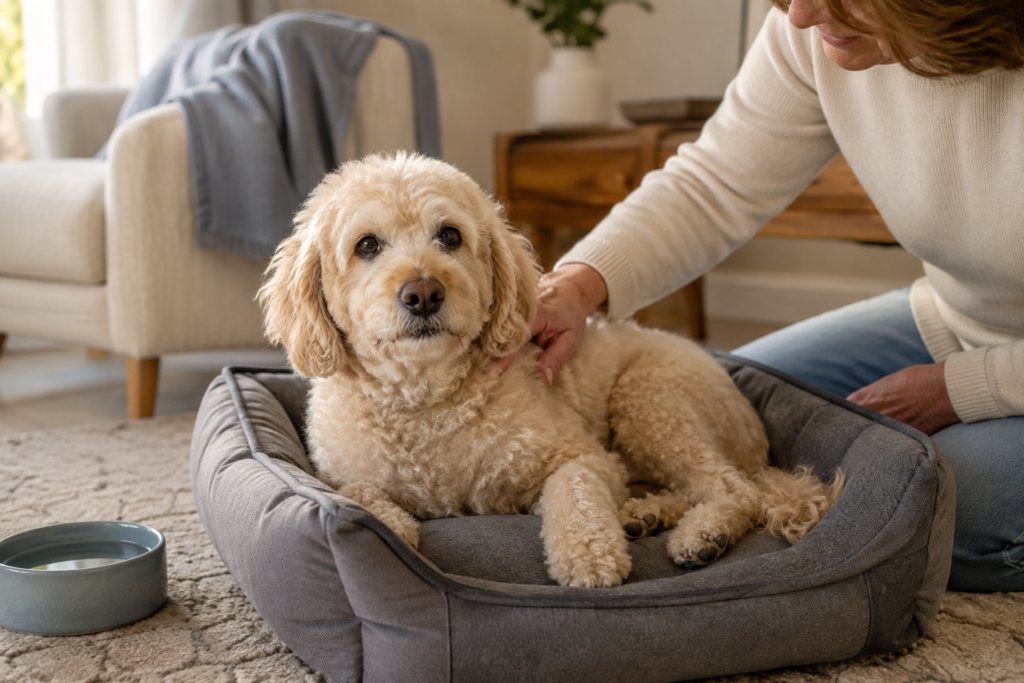
- Supportive bedding
- Shorter walks
- Ramps or controlled stair access
- Easier access to food and water
- More frequent toilet breaks
- Consistent household routines
- Regular veterinary reassessment
If mobility is declining, see our guide to helping a senior Cavapoo use stairs and learn the early signs of senior Cavapoo joint pain.
For Cockapoos experiencing emotional changes, read Helping a Senior Cockapoo With Anxiety.
15. Budget for the Dog’s Entire Lifetime
Small Doodle care involves predictable expenses and unexpected costs. Planning early makes it easier to provide appropriate care when circumstances change.
Common expenses include:
- Food
- Treats
- Professional grooming
- Brushes, combs and shampoo
- Routine veterinary care
- Preventive medication
- Training
- Pet insurance where available
- Boarding or pet sitting
- Bedding, harnesses and leads
- Emergency treatment
- Senior mobility support
Grooming is one of the largest recurring breed-related costs. A longer coat may require more frequent appointments and more home maintenance.
Medical expenses may also increase as a dog ages. An emergency fund or suitable insurance policy can reduce the risk of delaying essential care because of cost.
For a realistic breakdown, read our guide to the monthly cost of owning a Cavapoo in the United States, annual Cavapoo grooming costs and the hidden costs of owning a Cavapoo.
A Realistic Daily Small Doodle Care Routine
A routine does not need to be rigid, but predictability can help a dog feel secure.
Morning
- Outdoor toilet break
- Measured breakfast
- Walk with time to sniff
- Brief training practice
- Calm rest period
Midday
- Toilet break
- Short play or enrichment activity
- Coat check after outdoor activity
- Quiet independence practice
Evening
- Walk or suitable exercise
- Measured meal
- Brushing or handling practice
- Calm family time
- Final toilet break
Weekly
- Full coat and skin check
- Ear check
- Weight or body-condition observation
- Wash bedding when needed
- Rotate enrichment items
- Review behavior changes
Monthly or Periodically
- Nail check
- Grooming appointment when due
- Preventive medications as prescribed
- Review food portions
- Check collar, harness and identification details
The best routine is one that remains sustainable for the household while meeting the dog’s physical and emotional needs.
Pro Tip: Build a Care Record
Keep a simple digital or paper record containing:
- Food brand and daily amount
- Weight history
- Vaccination and preventive-care dates
- Medication details
- Grooming appointments
- Allergies or previous reactions
- Insurance information
- Emergency veterinary contact details
- Behavior or mobility changes
For reliable background reading, consult the WSAVA Global Nutrition Guidelines alongside advice from your own veterinarian.
A written record is especially helpful when another family member, sitter, groomer or veterinarian needs accurate information.
Common Small Doodle Care Mistakes
Assuming “low shedding” means low maintenance
Curly and wavy coats can mat even when very little hair appears on furniture.
Providing exercise without mental stimulation
Repeated physical exercise can create a fitter dog without teaching calmness. Include sniffing, training and problem-solving.
Waiting for severe separation problems
Practice short, positive absences before being alone becomes unavoidable.
Cleaning ears too aggressively
Excessive or inappropriate cleaning can irritate sensitive ears. Follow veterinary recommendations.
Feeding according to the bowl’s appearance
Small dogs need fewer calories than many owners expect. Measure portions and include treats in the total.
Explaining every behavioral change as stubbornness
Pain, fear, illness, fatigue and environmental stress can all affect behavior.
Delaying senior-care adjustments
Non-slip flooring, supportive beds and easier routines can improve comfort before mobility becomes severely limited.
Frequently Asked Questions
Are small Doodles easy to care for?
Small Doodles can be excellent companions, but they are not maintenance-free. Their coats often require frequent brushing and professional grooming, while their social nature means they need training, enrichment and gradual independence practice.
How often should I brush a small Doodle?
Many small Doodles benefit from brushing several times per week, while longer or tightly curled coats may require daily attention. Brush through the full coat and check high-friction areas such as behind the ears, armpits and under the harness.
How often should a small Doodle be professionally groomed?
A common starting interval is approximately six to eight weeks. However, coat type, haircut length, lifestyle and home brushing determine the most appropriate schedule.
How much exercise does a small Doodle need?
Exercise needs depend on age, health, energy and temperament. Most healthy adults benefit from daily walks, play and mental enrichment. Puppies and senior dogs require routines appropriate for their development and physical condition.
Can a small Doodle live in an apartment?
Yes. A small Doodle can live successfully in an apartment when its exercise, toilet, enrichment, training and emotional needs are consistently met. Noise sensitivity and alone-time difficulties should be addressed early.
Why does my Doodle follow me everywhere?
Following can reflect affection, reinforcement, curiosity, insecurity or difficulty relaxing independently. Read our explanations of why a Cavapoo follows its owner everywhere and why a Cockapoo becomes clingy.
What should I do if my Doodle suddenly behaves differently?
Consider whether anything changed in the environment, routine or household. Sudden aggression, withdrawal, restlessness, appetite changes or reduced tolerance of handling can also be associated with pain or illness. Arrange a veterinary assessment when the change is significant or unexplained.
Are Cavapoos or Cockapoos better for first-time owners?
Either may suit a first-time owner who understands the commitment involved. The better choice depends on the individual dog’s energy, temperament, coat, health and the owner’s lifestyle—not simply the breed label.
Final Thoughts
The central lesson from this small Doodle dog care guide is that good care is built through consistent daily habits.
Feed an appropriate diet, maintain a healthy body condition, provide physical and mental activity, train with patience, teach independence and stay ahead of coat maintenance. Check ears, protect dental health and pay attention when your dog’s normal behavior changes.
As your Doodle ages, adjust the environment and routine instead of expecting it to function exactly as it did when young.
No guide can replace an examination by a veterinarian or individualized advice from a qualified professional. However, informed owners are more likely to notice problems early and create routines that help their dogs feel secure, comfortable and understood.
With realistic expectations and consistent care, a Cavapoo, Cockapoo or other small Doodle can become a happy and deeply connected member of the family.